Kirjojen hintavertailu – 12 859 819 kirjaa ja 27 kauppaa
Kirjailija
Isabelle Léglise
Kirjat ja teokset yhdessä paikassa: 5 kirjaa, julkaisuja vuosilta 2012–2020, suosituimpiin kuuluu Les parlers jeunes, ici et là-bas. Vertaile teosten hintoja ja tarkista saatavuus suomalaisista kirjakaupoista.
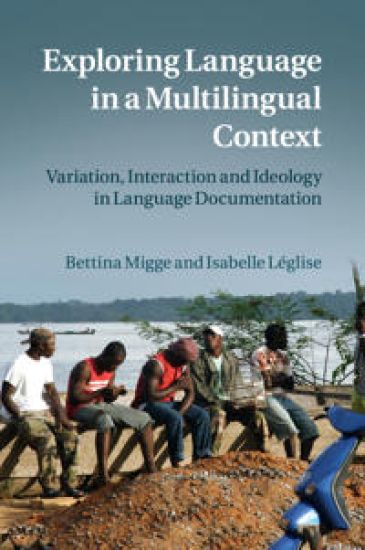
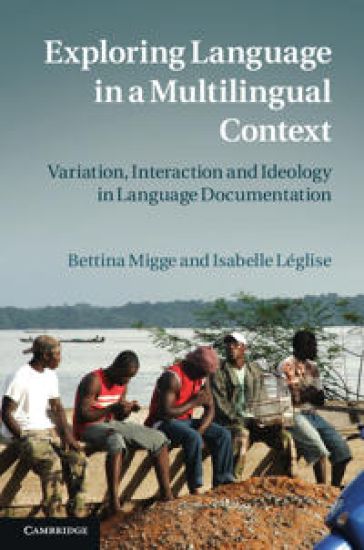
Proposing a new methodological approach to documenting languages spoken in multilingual societies, this book retraces the investigation of one unique linguistic space, the Creole varieties referred to as Takitaki in multilingual French Guiana. It illustrates how interactional sociolinguistic, anthropological linguistic, discourse analytical and quantitative sociolinguistic approaches can be integrated with structural approaches to language in order to resolve rarely discussed questions systematically (what are the outlines of the community, who is a rightful speaker, what speech should be documented) that frequently crop up in projects of language documentation in multilingual contexts. The authors argue that comprehensively documenting complex linguistic phenomena requires taking into account the views of all local social actors (native and non-native speakers, institutions, linguists, non-speakers, etc.), applying a range of complementary data collection and analysis methods and putting issues of ideology, variation, language contact and interaction centre stage. This book will be welcomed by researchers in sociolinguistics, linguistic anthropology, fieldwork studies, language documentation and language variation and change.
Proposing a new methodological approach to documenting languages spoken in multilingual societies, this book retraces the investigation of one unique linguistic space, the Creole varieties referred to as Takitaki in multilingual French Guiana. It illustrates how interactional sociolinguistic, anthropological linguistic, discourse analytical and quantitative sociolinguistic approaches can be integrated with structural approaches to language in order to resolve rarely discussed questions systematically (what are the outlines of the community, who is a rightful speaker, what speech should be documented) that frequently crop up in projects of language documentation in multilingual contexts. The authors argue that comprehensively documenting complex linguistic phenomena requires taking into account the views of all local social actors (native and non-native speakers, institutions, linguists, non-speakers, etc.), applying a range of complementary data collection and analysis methods and putting issues of ideology, variation, language contact and interaction centre stage. This book will be welcomed by researchers in sociolinguistics, linguistic anthropology, fieldwork studies, language documentation and language variation and change.