Kirjailija
Ismail Kadare
Kirjat ja teokset yhdessä paikassa: 68 kirjaa, julkaisuja vuosilta 2003–2026, suosituimpiin kuuluu Kolme surulaulua Kosovolle. Vertaile teosten hintoja ja tarkista saatavuus suomalaisista kirjakaupoista.
Nimi esiintyy myös muodoissa: Ismail Kadaré, Ismaïl Kadaré
68 kirjaa
Kirjojen julkaisuvuodet: 2003–2026.
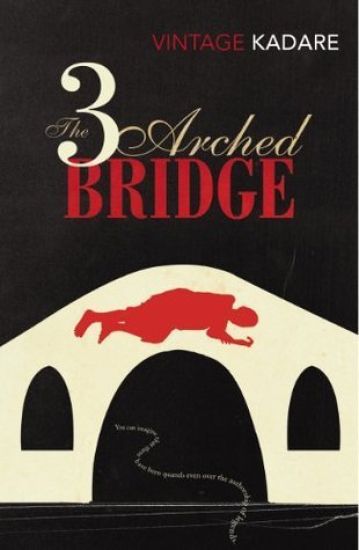
When the construction of a bridge built to link the Balkans to Europe is repeatedly and mysteriously sabotaged, an old ballad starts making the rounds at local taverns. Some say the bridge is being damaged by local ferrymen, others blame the vengeful water spirits.
It's the 1970s and cracks are starting to appear in the alliance between China and its Communist cohort Albania. When an Albanian steps on the foot of a Chinese diplomat the tension cranks up - couriers between Tirana and Beijing carry annotated x-rays of the foot back and forth.
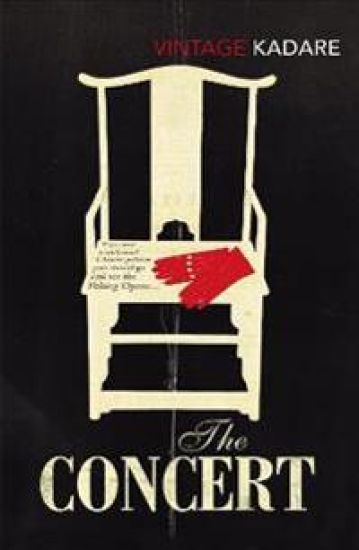
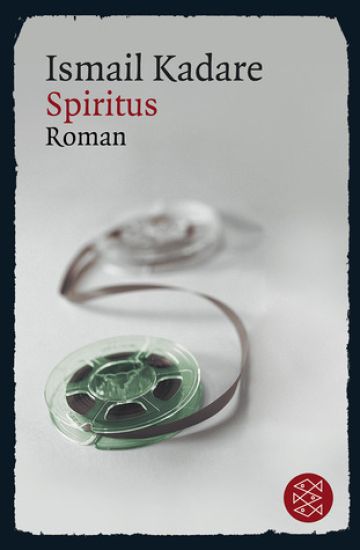
In the mid-1930s, two Irish Americans travel to the Albanian highlands with an early model of a marvelous invention, the tape recorder. Their mission? To discover how Homer could have composed works as brilliant and as long as The Iliad and The Odyssey without ever putting pen to paper. The answer, they believe, can be found only in Albania, the last remaining habitat of the oral epic. But immediately upon their arrival, the scholars' seemingly arcane research excites suspicion and puts them at the center of ethnic strife in the Balkans. Mistaken for foreign spies, they are placed under surveillance and are dogged by gossip and intrigue. It isn't until a fierce-eyed monk from the Serbian side of the mountains makes his appearance that the scholars glimpse the full political import of their search for the key to the Homeric question.
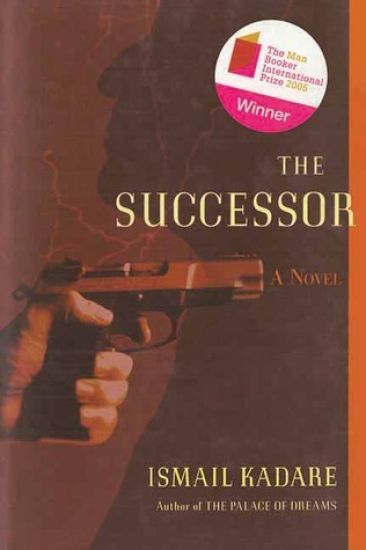
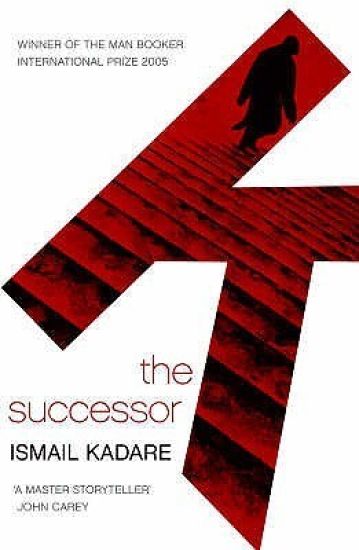
A powerful political novel based on the sudden, mysterious death of the man who had been handpicked to succeed the hated Albanian dictator Enver Hoxha. Did he commit suicide or was he murdered? That is the burning question. The man who died by his own hand, or another's, was Mehmet Shehu, the presumed heir to the ailing dictator. So sure was the world that he was next in line, he was known as The Successor. And then, shortly before Shehu was to assume power, he was found dead. The Successor is simultaneously a mystery novel, a historical novel-based on actual events and buttressed by the author's private conversations with the son of the real-life Mehmet Shehu, and a psychological novel. How do you live when nothing is sure?
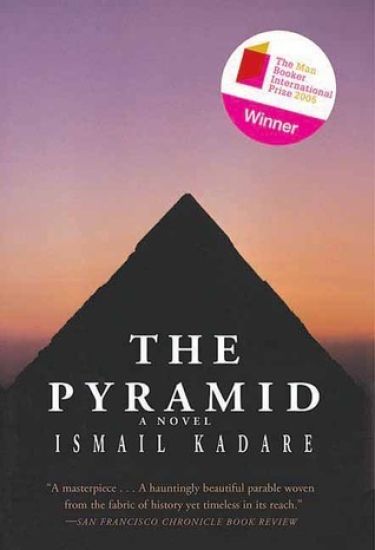
Egypt in the twenty-sixth century BC. The young pharaoh Cheops wants to forgo the construction of a pyramid in his honor, but his court sages hasten to persuade him otherwise. The pyramid, they tell him, is not a tomb but a paradox, designed to appease the masses by oppressing them. It is a symbol of nothing, a useless and infinite project designed to waste the country's wealth and keep security and prosperity, ever the fonts of sedition, constantly at bay. And so the greatest pyramid in the world has ever seen begins to rise. Rumors multiply. A secret police is formed. Conspiracies--real and imagined--swirl around the rising edifice. The most drastic purges follow. By the time the first stone is laid, Cheops's subjects are terrified enough to yield to his most murderous whims. Each time one of the massive stones is hoisted into place, dozens of men are crushed, and there are tens of thousands of stones. . . .
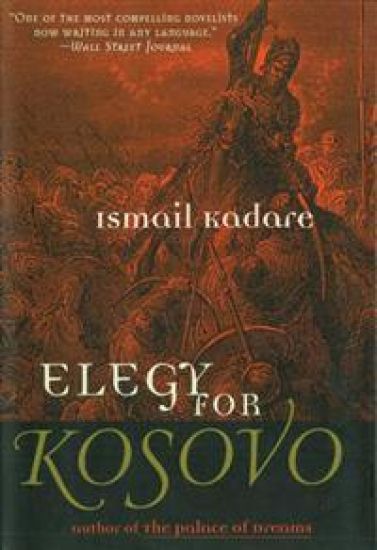
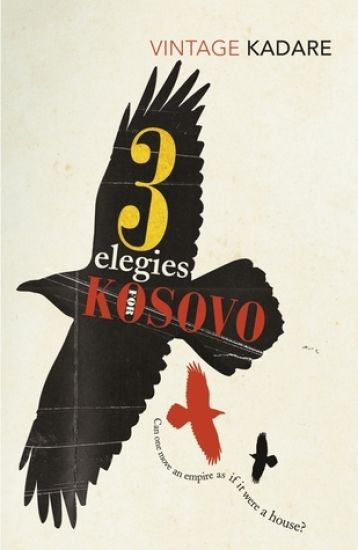
June 28, 1389: Six hundred years before Serbian leader Slobodan Milosevic called for the repression of the Albanian majority in Kosovo, there took place, on the Field of the Blackbirds, a battle shrouded in legend. A coalition of Serbs, Albanian Catholics, Bosnians, and Romanians confronted and were defeated by the invading Ottoman army of the Sultan Murad. This battle established the Muslim foothold in Europe and became the centerpiece of Serbian nationalist ideology, justifying the campaign of ethnic cleansing of Albanian Kosovars that the world witnessed with horror at the end of the past century. In this eloquent and timely reflection on war, memory, and the destiny of two peoples, Ismail Kadare explores in fiction the legend and the consequences of that defeat. Elegy for Kosovo is a heartfelt yet clear-eyed lament for a land riven by hatreds as old as the Homeric epics and as young as the latest news broadcast.
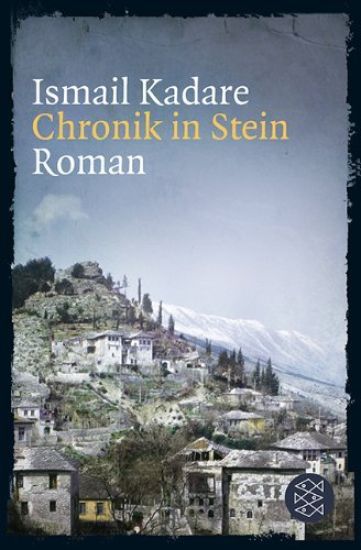
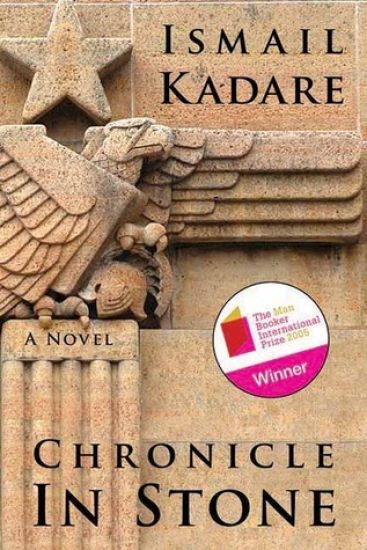
Masterful in its simplicity, Chronicle in Stone is a touching coming-of-age story and a testament to the perseverance of the human spirit. Surrounded by the magic of beautiful women and literature, a boy must endure the deprivations of war as he suffers the hardships of growing up. His sleepy country has just thrown off centuries of tyranny, but new waves of domination inundate his city. Through the boy's eyes, we see the terrors of World War II as he witnesses fascist invasions, allied bombings, partisan infighting, and the many faces of human cruelty--as well as the simple pleasures of life. Evacuating to the countryside, he expects to find an ideal world full of extraordinary things, but discovers instead an archaic backwater where a severed arm becomes a talisman and deflowered girls mysteriously vanish. Woven between the chapters of the boy's story are tantalizing fragments of the city's history. As the devastation mounts, the fragments lose coherence, and we perceive firsthand how the violence of war destroys more than just buildings and bridges.

Shows how legends of betrayal and defeat simmered in European civilisation for six hundred years, culminating in the agony of one tiny population at the end of the twentieth century.
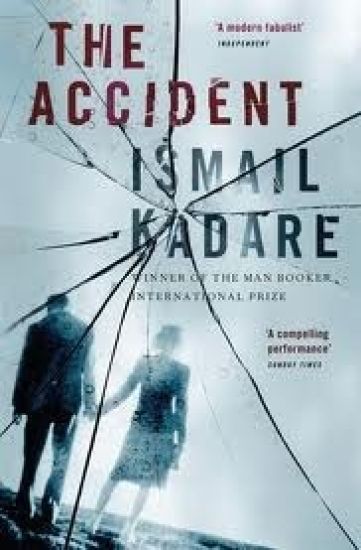
Why did the taxi crash on the autobahn in Vienna? Who exactly were Besfort Y and Rovena, the mysterious couple who died after being flung from the back seat? How was Besfort connected to the war in the Balkans? And why was his affair with Rovena clouded in jealousy and mistrust? Who wanted them dead? This is the story of the last forty weeks of their lives - a fever dream where love and obsession collide.
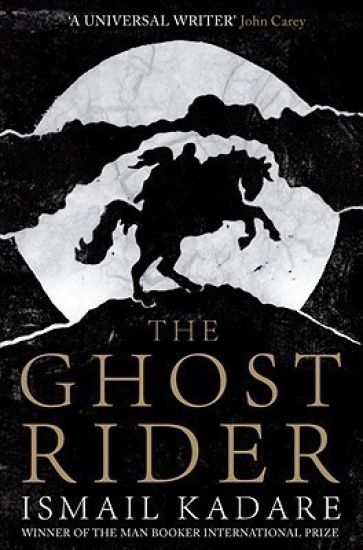
An old woman is awoken in the dead of night by knocks at her front door. The woman opens it to find her daughter, Doruntine, standing there alone in the darkness. She has been brought home from a distant land by a mysterious rider she claims is her brother Konstandin. But unbeknownst to her, Konstandin has been dead for years. What follows is chain of events which plunges a medieval village into fear and mistrust. Who is the ghost rider?
Keväällä 1389 maailma oli täynnä huhuja. Edessä oli sulttaani Muradin johtaman osmaniarmeijan ja balkanilaisten joukkojen verinen taistelu. Sakea sumu peitti Kosovon, paikan, jota kutsutaan Mustarastaiden kentäksi. Kosovossa risti hävisi puolikuulle. Ismail Kadaren eleginen teos kuvaa menneisyyden traagista muistoa, joka elää tänäkin päivänä. Kolme surulaulua Kosovolle valmistui vuonna 1998, Balkanin kriisin keskellä. Ismail Kadare on Albanian merkittävin nykykirjailija, Nobel-ehdokas, jonka teoksia on julkaistu yli 40 maassa. Hänelle on myönnetty arvostetut kirjallisuuspalkinnot, Man Booker International 2005 ja Asturian ruhtinaan kirjallisuuspalkinto 2009.
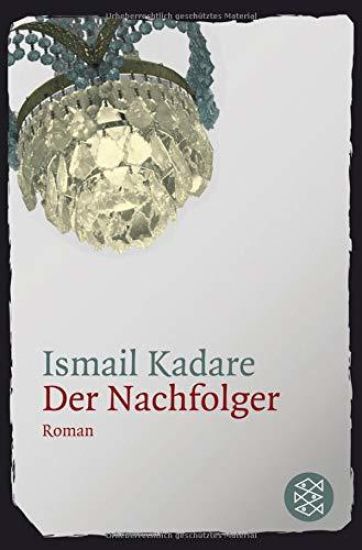
Ein Diktator benennt seinen Nachfolger. Unmittelbar darauf findet man dessen Leiche mit einer Kugel im Herzen. War es Selbstmord oder Mord, geplant im Kreis der höchsten Machthaber? Kadare erzählt von einem der größten Rätsel in der jüngeren Geschichte Albaniens, dem mysteriösen Tod des Zöglings von Diktator Enver Hoxha. "Von virtuoser literarischer Darstellungskraft, die aus authentischen Ereignissen die Albträume einer gespenstischen Poesie aufsteigen lässt." Frankfurter Rundschau
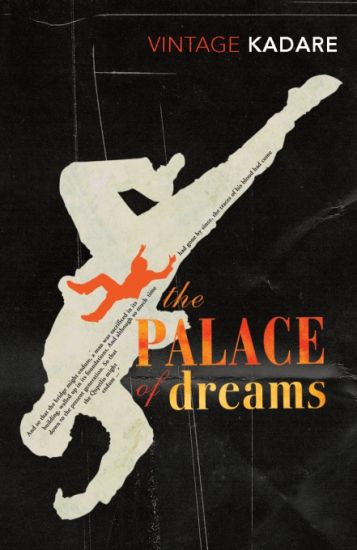
Translated by Barbara Bray from the French version of the Albanian by Jusuf VrioniAt the heart of the Sultan's vast empire stands the mysterious Palace of Dreams.
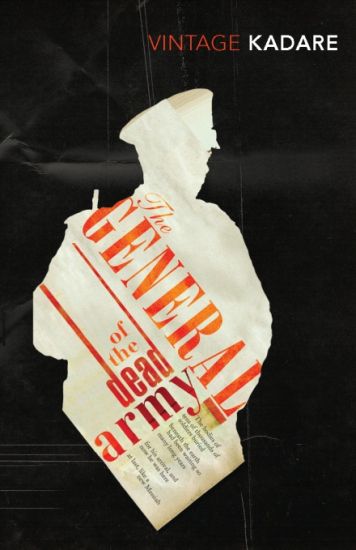
Twenty years after the end of the Second World War, an Italian general is despatched to Albania to recover his country's dead. Once there he meets a German general who is engaged upon an identical mission, and their conversations brings out into the open the extent of their horror and guilt, newly exacerbated by their present task.
In his compelling prequel to The Successor, Kadare draws us into a land deprived of choice, a country under a reign of terror. The spellbinding Agamemnon's Daughter was written in Albania in the 1980s and smuggled into France a few pages at a time. It reveals a world where fear is an instrument of power, but the individual survives despite the odds. From the winner of the first Man Booker International Prize comes a searing story of love denied, then shattered under the chilling wheels of the state. Through the impeccably crafted, incisive tale of a thwarted lover's odyssey through a single day, we are given a true sense of how hard it can be to remain human in a world ruled by fear and suspicion.
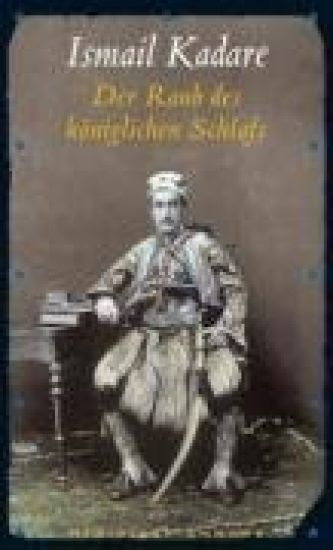
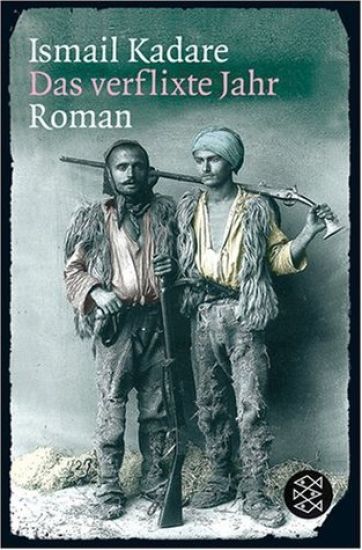
Die Wirren der albanischen Geschichte im Kampf um nationale Unabhängigkeit packt Ismail Kadare in ein einziges verflixtes Jahr: 1914, als der gefürchtete Komet Delavan am Himmel auftaucht und die europäischen Großmächte beschließen, den deutschen Prinzen Wilhelm zu Wied auf den albanischen Thron zu setzen. Seine Herrschaft währte nur 184 Tage. Kadare mischt Wirklichkeit und mythisches Geschehen und erzählt mit grimmigem Humor, wie eine Staatsgründung im Desaster endet.
The Designated Successor was found dead in his bedroom at dawn on December 14. Did he kill himself or was he murdered? This question slices through Ismail Kadare's masterful psychological thriller. As the state insists that the future leader died by his own hand, the rest of the world begins to have doubts. As the tension builds and rumours escalate, Kadare draws us into a nightmarish world controlled by rules no one understands, blending dream and reality to produce a mystery and a thriller that seduces and surprises up to the last page.