Kirjojen hintavertailu – 12 859 828 kirjaa ja 27 kauppaa
Kirjailija
Israel Finkelstein
Kirjat ja teokset yhdessä paikassa: 13 kirjaa, julkaisuja vuosilta 1986–2025, suosituimpiin kuuluu Essays on Biblical Historiography: From Jeroboam II to John Hyrcanus I. Vertaile teosten hintoja ja tarkista saatavuus suomalaisista kirjakaupoista.
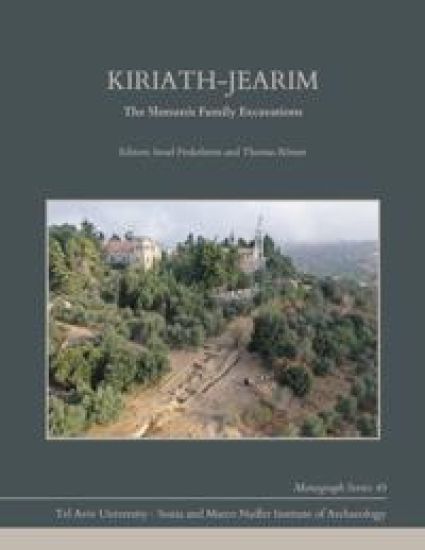
This volume reports the results of the Tel Aviv University and the Collège de France’s excavations at Kiriath-jearim. The site, located on a strategic peak west of Jerusalem, is of crucial importance for the study of the archaeology and history of Iron Age Israel and Judah, and later, of Hellenistic and Roman Judea. Specific attention is given to the later phases of the Iron Age, attempting to shed light on the biblical tradition that the site accommodated the temple of the Ark.
Jerusalem is the center of the universe, the hub of the three great monotheistic religions, yet how did a city located on the desert fringe, in the semi-arid southern highlands of Israel with little tillable land achieve such dominance? To provide answers to this enduring riddle, Israel Finkelstein has collected twenty-four of his best articles and essays covering the Middle Bronze Age to the late Hellenistic period. With critical and well-informed care, he analyzes archaeological evidence that often stands in tension with the biblical text. Topics of particular interest include the archaeology of the tenth century BCE; Saul, David, and Solomon in the Bible and archaeology; the first expansion of the city in the ninth century; its full growth in the late eighth to seventh centuries; Jerusalem and Judah under the Assyrian Empire; the days of King Josiah; and transormations in the Persian-Hellenistic era.
Jerusalem is the center of the universe, the hub of the three great monotheistic religions, yet how did a city located on the desert fringe, in the semi-arid southern highlands of Israel with little tillable land achieve such dominance? To provide answers to this enduring riddle, Israel Finkelstein has collected twenty-four of his best articles and essays covering the Middle Bronze Age to the late Hellenistic period. With critical and well-informed care, he analyzes archaeological evidence that often stands in tension with the biblical text. Topics of particular interest include the archaeology of the tenth century BCE; Saul, David, and Solomon in the Bible and archaeology; the first expansion of the city in the ninth century; its full growth in the late eighth to seventh centuries; Jerusalem and Judah under the Assyrian Empire; the days of King Josiah; and transormations in the Persian-Hellenistic era.
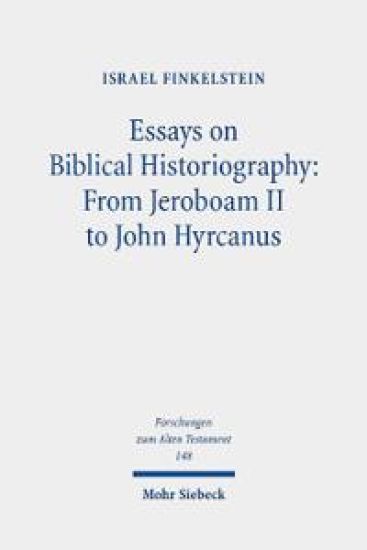
This volume is a collection of articles and new essays by Israel Finkelstein that offers an outline for reconstructing the evolution of biblical historiography over 700 years, starting with Israel in the early eighth century BCE and ending with the days of the Hasmoneans in the late second century BCE. Special emphasis is given to North Israelite traditions which were committed to writing in the days of Jeroboam II; to the arrival of these traditions in Judah after the takeover of Israel by Assyria; to Judahite ideology of the seventh century BCE; and to the legitimacy needs of the Hasmoneans in the days of John Hyrcanus. The analysis is based on the most recent archaeological discoveries, biblical exegesis and ancient Near Eastern records.
This collection of essays deals with key topics in Ezra, Nehemiah, and 1 and 2 Chronicles, such as the list of returnees, the construction of the city wall of Jerusalem, the adversaries of Nehemiah, the tribal genealogies, and the territorial expansion of Judah in 2 Chronicles. Finkelstein argues that the geographical and historical realities cached behind at least parts of these books fit the Hasmonean period in the late second century BCE. Seven previously published essays are supplemented by maps, updates to the archaeological material, and references to recent publications on the topics.
This collection of essays deals with key topics in Ezra, Nehemiah, and 1 and 2 Chronicles, such as the list of returnees, the construction of the city wall of Jerusalem, the adversaries of Nehemiah, the tribal genealogies, and the territorial expansion of Judah in 2 Chronicles. Finkelstein argues that the geographical and historical realities cached behind at least parts of these books fit the Hasmonean period in the late second century BCE. Seven previously published essays are supplemented by maps, updates to the archaeological material, and references to recent publications on the topics.
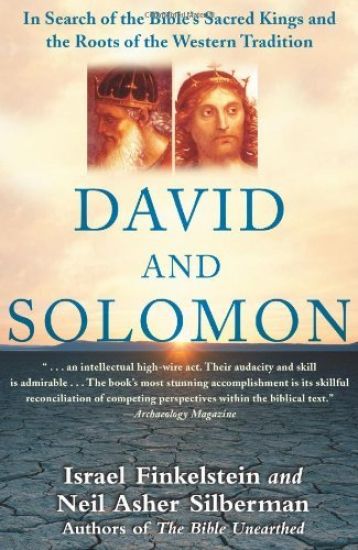
The co-authors of The Bible Unearthed draw on recent archaeological findings to illuminate the origins of modern civilization as reflected by the reigns of two ancient biblical kings, identifying mythical and factual elements attributed to their characters and chronicling how their stories represent Jewish faith. Reprint. 35,000 first printing.
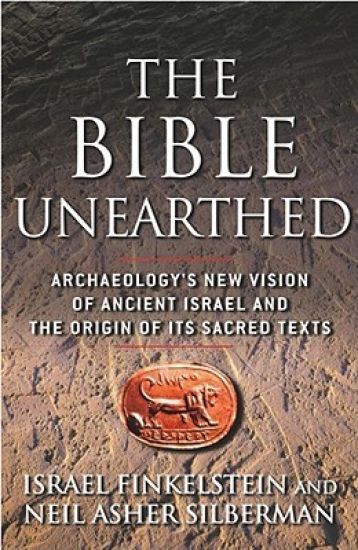
In the past three decades, archaeologists have made great strides in recovering the lost world of the Old Testament. Dozens of digs in Egypt, Israel, Jordan and Lebanon have changed experts' understanding of ancient Israel and its neighbours- as well as their vision of the Bible's greatest tales. Yet until now, the public has remained almost entirely unaware of these discoveries which help separate legend from historical truth. Here, at last, two of archaeology's leading scholars shed new light on how the Bible came into existence. They assert, for example, that Abraham, Isaac and Jacob never existed, that David and Solomon were not great kings but obscure chieftains and that the Exodus never happened. They offer instead a new historical truth: the Bible was created by the people of the small, southern nation of Judah in a heroic last-ditch attempt to keep their faith alive after the demise of the larger, wealthier nation of Israel to the north. It is in this truth, not in the myths of the past, that the real value of the Bible is evident.