
Kirjailija
Ivone Gebara
Kirjat ja teokset yhdessä paikassa: 6 kirjaa, julkaisuja vuosilta 1999–2022, suosituimpiin kuuluu Mary, Mother of God, Mother of the Poor. Vertaile teosten hintoja ja tarkista saatavuus suomalaisista kirjakaupoista.
6 kirjaa
Kirjojen julkaisuvuodet: 1999–2022.
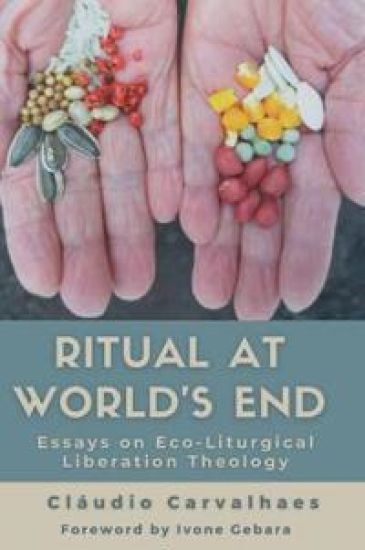
It is time for an eco-liturgical liberation theology One that hears the cries of the people and the earth and orients thinking and practices from their pain and suffering. In this book, Cl udio Carvalhaes writes from where it hurts in multiple registers and crossings. Featuring a Foreword by Ivone Gebara and full-color art by children.
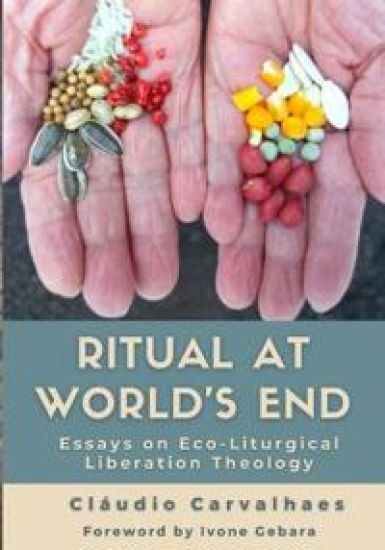
With a foreword by Ivone Gebara. "Ritual at World's End maps Cl udio's conversion to an ecological approach to liturgy. It also manifests his ever-confident eschewal of the usual authorities in liturgical theology. Instead, he is looking to liberation theologians, and listening to the poor. So, these are the field notes of a man on a journey-to the land, to his past, with his children, for the overlooked-as he wrestles with his questions, privilege, and responsibilities. Passion and urgency, truth-telling and testimony, combine with great force in Cl udio's thinking, and this remarkable book will be well-read, gather companions, and muster more justice in the life of believers. Read it for it's challenge, gift, provocation, blessing, agenda-setting, summons..." Stephen Burns Professor of Liturgical and Practical Theology Pilgrim Theological College, University of Divinity Melbourne, Australia
Mary, Mother of God, Mother of the Poor
Ivone Gebara; Maria Clara Bingemer
Wipf Stock Publishers
2004
nidottu
Here is the first thorough reflection on the importance of Mary by women writing from the perspective of Latin American liberation theology. Gebara and Bingemer offer a vision of Mary in sharp contrast to the traditional. This is the Mary of the Magnificat: a figure who challenges male-centrism, dualism, idealism, and one-dimensionalism. The authors focus on the idea of Mary as one who lives in God, on the feminine element of the divine, and on the personal factors which color their own perspectives. By delving into the Scriptures, they place Mary in her social, political, and economic context. Reviewing both the Old and New Testaments, they point to Mary as both heir and one who begins something new. In dealing with the traditions of the Church, Gebara and Bingemer rethink Marian dogmas - an area not only ecumenically controversial but also morally challenging. Beginning in the 16th century, the authors survey the history of Marian devotion, exploring the initial appearance of Mary to the Indian Juan Diego (Guadalupe), and reflecting on all the phenomena connected to the figure of Mary. The mystery of Mary brings a new word about God, they note. Her humanity entirely open ... and her full participation in the enterprise of this Kingdom help us perceive who the God of the Kingdom is: God the Creator, who does not cease to perform wonders on behalf of the poor.
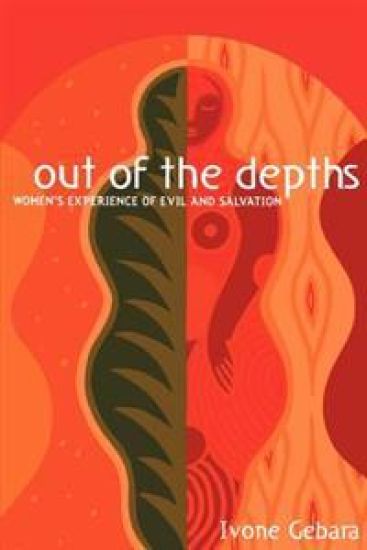
Whether understood as sin, as embracing all manner of suffering and injustice, or as the inexplicable human choice of evil over good, evil has historically been described and pondered chiefly through male categories understood as a universal viewpoint. Likewise salvation. Gebara here presents an alternative, feminist approach to evil and salvation. She allows women to voice their personal suffering from their own contexts, thereby manifesting their many differences. She then introduces a perspective on evil and salvation based in gender analysis to address specifically "the evil women do," the evil they suffer, and women's redemptive experiences of God and salvation.
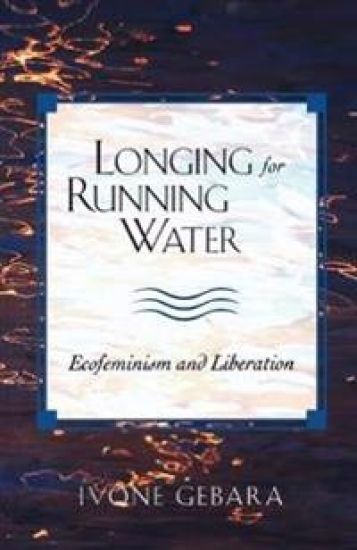
Visioning the cosmos through a liberation-oriented lens.