Kirjojen hintavertailu – 12 859 818 kirjaa ja 27 kauppaa

Kirjailija

Izabela Surwillo

Kirjat ja teokset yhdessä paikassa: 3 kirjaa, julkaisuja vuosilta 2019–2026, suosituimpiin kuuluu Östersjön : En geopolitisk historia. Vertaile teosten hintoja ja tarkista saatavuus suomalaisista kirjakaupoista.

3 kirjaa

Kirjojen julkaisuvuodet: 2019–2026.

Östersjön : En geopolitisk historia

Östersjön : En geopolitisk historia

Tobias Boestad; Axel Boltenberg; Hugo Bromley; Christian Bueger; Boguslaw Dybas; Kjell Engelbrekt; Tuomas Forsberg; Kristian Gerner; Peter Haldén; Martin Hall; Mats Hallenberg; Kurt Villads Jensen; Jonas Kjellén; Peter Krönvik; Henrik Meinander; Justyna Wubs Mrozewicz; Morten Nordhagen Ottosen; Magnus Pettersson; Johan Rönnby; Brendan Simms; Veronika Slakaityte; Izabela Surwillo; Peteris Vanags; Rolf Fabricius Warming

Bokförlaget Stolpe
2026
sidottu
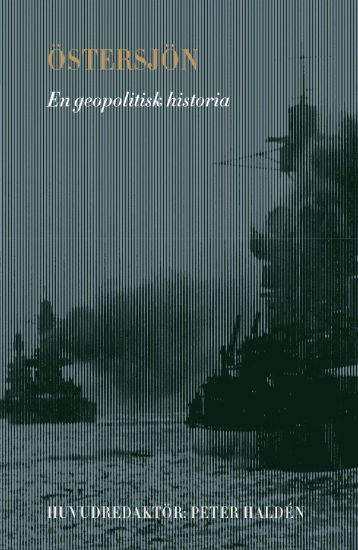
Östersjön är mer än bara ett innanhav – det är en historisk geopolitisk skådeplats. Från vikingatidens sjöfart till dagens Natodominerade område har detta bräckta hav varit en livsnerv för folk och länder i norra Europa. Östersjön har fungerat som en knutpunkt för ekonomiska och politiska relationer genom Hansans dominans under medeltiden, stormaktstidens strider mellan Sverige, Polen-Litauen och Ryssland, samt de dramatiska skiften som följde i spåren av Napoleonkrigen, de båda världskrigen och kalla kriget. Östersjön har även visat sig vara en plats för samarbete. Efter Sovjetunionens fall har regionen präglats av integration och tillväxt – en utveckling som nu utmanas av nya geopolitiska spänningar. Hur kan regionen komma att påverkas av energiflöden, klimatförändringar och militärstrategier? I denna omfattande antologi samlas bidrag av ledande forskare inom bland annat historia, statsvetenskap och internationella relationer för att kartlägga de drivande krafter som format Östersjöregionen från 1200-talet fram till i dag. Boken finns även i engelsk utgåva, The Baltic Sea - A Geopolitical History.
Energy Security Logics in Europe

Energy Security Logics in Europe

Izabela Surwillo

Routledge
2020
nidottu
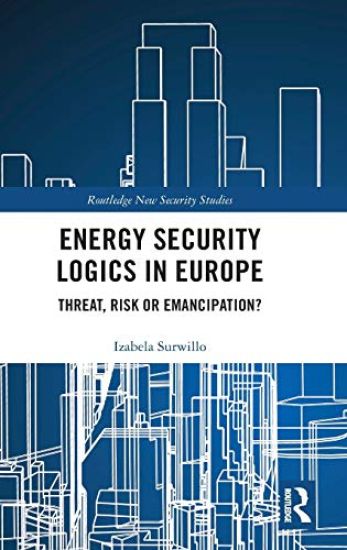
This book analyzes energy security dynamics in Europe through the prism of security logics. Drawing on the literature on securitization, security logics and security contexts, it scrutinizes energy security debates and policy developments in Germany, Poland and Ukraine, focusing on the pipeline politics, nuclear energy and renewables sector. The contextualized analysis accounts for the wider historical, socio-economic and cultural background from which energy policies emerge and gives a voice to the different stakeholders—from policymakers to the local NGO sector. The book sheds light on the root causes of different energy policy decisions and illustrates that European energy security is currently driven by four security logics—war, subsistence, risk and emancipation. The logic of emancipation is a newly emergent phenomenon embraced by many bottom-up citizens’ initiatives and manifested in their drive to self-reliance, the rhetoric of liberation and local practices of energy production. The conceptualization and analysis of the emancipatory logic vis-à-vis other energy security logics help to explain European energy context most effectively—with its background conditions, emerging trends and often controversial national policy approaches. This book will be of much interest to students of critical security studies, energy policy and European politics in general.
Energy Security Logics in Europe

Energy Security Logics in Europe

Izabela Surwillo

Routledge
2019
sidottu
This book analyzes energy security dynamics in Europe through the prism of security logics. Drawing on the literature on securitization, security logics and security contexts, it scrutinizes energy security debates and policy developments in Germany, Poland and Ukraine, focusing on the pipeline politics, nuclear energy and renewables sector. The contextualized analysis accounts for the wider historical, socio-economic and cultural background from which energy policies emerge and gives a voice to the different stakeholders—from policymakers to the local NGO sector. The book sheds light on the root causes of different energy policy decisions and illustrates that European energy security is currently driven by four security logics—war, subsistence, risk and emancipation. The logic of emancipation is a newly emergent phenomenon embraced by many bottom-up citizens’ initiatives and manifested in their drive to self-reliance, the rhetoric of liberation and local practices of energy production. The conceptualization and analysis of the emancipatory logic vis-à-vis other energy security logics help to explain European energy context most effectively—with its background conditions, emerging trends and often controversial national policy approaches. This book will be of much interest to students of critical security studies, energy policy and European politics in general.