Kirjojen hintavertailu – 12 859 818 kirjaa ja 27 kauppaa

Kirjailija

J. Aaron Simmons

Kirjat ja teokset yhdessä paikassa: 6 kirjaa, julkaisuja vuosilta 2011–2023, suosituimpiin kuuluu Pentecostalism, Postmodernism, and Reformed Epistemology. Vertaile teosten hintoja ja tarkista saatavuus suomalaisista kirjakaupoista.

6 kirjaa

Kirjojen julkaisuvuodet: 2011–2023.

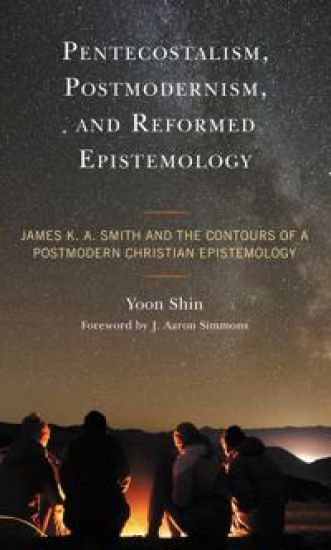
Pentecostalism, Postmodernism, and Reformed Epistemology

Pentecostalism, Postmodernism, and Reformed Epistemology

Yoon Shin; J. Aaron Simmons

BLOOMSBURY PUBLISHING PLC
2023
nidottu
In Pentecostalism, Postmodernism, and Reformed Epistemology, Yoon Shin critically builds on James K. A. Smith’s postmodern Pentecostal epistemology with the aid of Reformed epistemology. It takes the reader through an interdisciplinary journey that exposits and illumines the relationship among Pentecostal spirituality, continental and analytic philosophy, postliberalism, moral psychology, and philosophy of emotion. This work clarifies misunderstandings of Smith, in Smith, and between continental and analytic epistemology, constructively and coherently synthesizing the sources through interdisciplinary analysis and thereby demonstrating the value of mashup philosophy. The resulting epistemology strengthens the mostly descriptive epistemology of Smith with the warrant criteria of Alvin Plantinga.
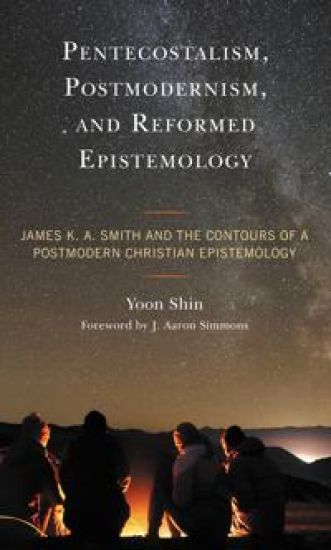
Pentecostalism, Postmodernism, and Reformed Epistemology

Pentecostalism, Postmodernism, and Reformed Epistemology

Yoon Shin; J. Aaron Simmons

BLOOMSBURY PUBLISHING PLC
2021
sidottu
Among many of his influences, James K. A. Smith set the agenda for Pentecostal philosophy with the publication of Thinking in Tongues, which addressed a wide range of philosophical loci through the lens of Pentecostal spirituality. In particular, he articulated an epistemology called narrative, affective knowledge, one that carefully utilizes the resources from continental philosophy and Pentecostalism. In Pentecostalism, Postmodernism, and Reformed Epistemology: James K. A. Smith and the Contours of a Postmodern Christian Epistemology, while accepting the broader descriptions of narrative, affective epistemology, Yoon Shin critically modifies and strengthens Smith’s epistemology through careful exposition and critique and with the aid of wide-ranging resources, such as moral psychology, philosophy of emotion, postliberalism, and Reformed epistemology. Through his exposition, Shin argues that Smith’s Pentecostal epistemology is not uniquely Pentecostal, but postliberal and postmodern. Against Smith’s insistence that to be a Christian postmodern is to be a relativist, Shin critiques Smith’s misunderstanding of postliberalism and its realist commitment and argues for a performative correspondence theory of truth. Moreover, he expands on Smith’s thin prescription for knowledge by enlisting the aid of Reformed epistemology. Through dialogue with Reformed epistemology, Shin identifies three areas for dialogue between postmodern and Reformed epistemology in service of developing a postmodern Christian epistemology.
The New Phenomenology

The New Phenomenology

J. Aaron Simmons; Bruce Ellis Benson

Bloomsbury Academic USA
2013
sidottu
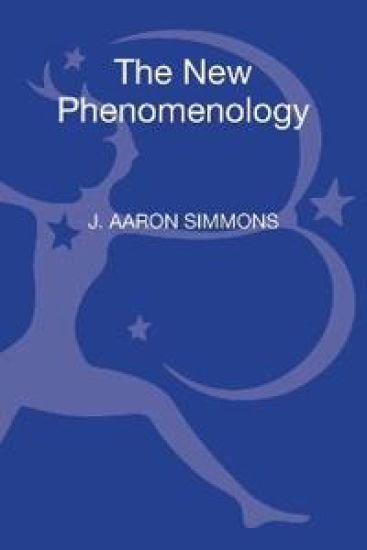
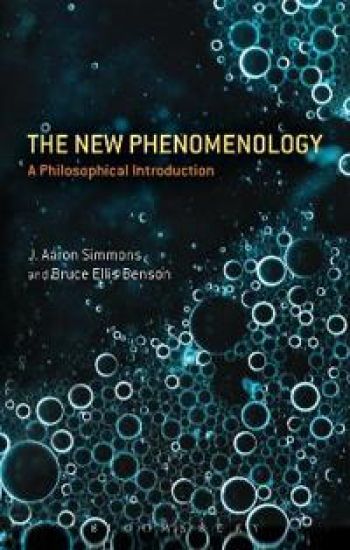
The New Phenomenology: A Philosophical Introduction is the first available introduction to the group of philosophers sometimes associated with the so-called ‘theological turn’ in contemporary French thought. This book argues that there has not been a ‘turn’ to theology in recent French phenomenology, but instead a decidedly philosophical reconsideration of phenomenology itself. Engaging the foundational works of Emmanuel Levinas and Michel Henry, as well as later works by Jacques Derrida, Jean-Luc Marion and Jean-Louis Chretien, the book explores how these thinkers offer a coherent philosophical trajectory – the ‘New Phenomenology.’ Contending that New Phenomenology is of relevance to a wide range of issues in contemporary philosophy, the book considers the contributions of the new phenomenologists to debates in the philosophy of religion, hermeneutics, ethics, and politics. With a final chapter looking at future directions for research on possible intersections between new phenomenology and analytic philosophy, this is an essential read for anyone seeking an overview of this important strand of contemporary European thought.
The New Phenomenology

The New Phenomenology

J. Aaron Simmons; Bruce Ellis Benson

Bloomsbury Academic USA
2013
nidottu
The New Phenomenology: A Philosophical Introduction is the first available introduction to the group of philosophers sometimes associated with the so-called ‘theological turn’ in contemporary French thought. This book argues that there has not been a ‘turn’ to theology in recent French phenomenology, but instead a decidedly philosophical reconsideration of phenomenology itself. Engaging the foundational works of Emmanuel Levinas and Michel Henry, as well as later works by Jacques Derrida, Jean-Luc Marion and Jean-Louis Chretien, the book explores how these thinkers offer a coherent philosophical trajectory – the ‘New Phenomenology.’ Contending that New Phenomenology is of relevance to a wide range of issues in contemporary philosophy, the book considers the contributions of the new phenomenologists to debates in the philosophy of religion, hermeneutics, ethics, and politics. With a final chapter looking at future directions for research on possible intersections between new phenomenology and analytic philosophy, this is an essential read for anyone seeking an overview of this important strand of contemporary European thought.
God and the Other

God and the Other

J. Aaron Simmons

Indiana University Press
2011
pokkari
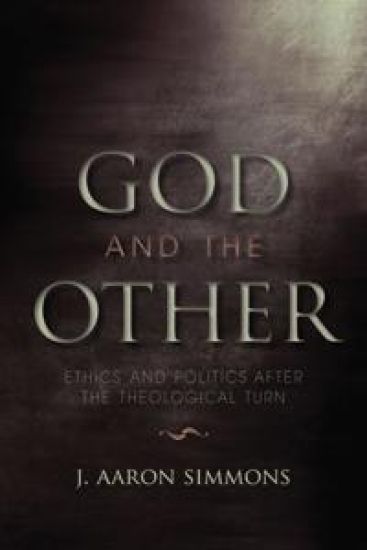
The theological turn in French phenomenology has been of great interest to scholars working in contemporary continental thought, but according to J. Aaron Simmons, not enough has been done to bring these debates into conversation with more mainstream philosophy. Building on the work of Kierkegaard, Levinas, Marion, and Derrida, among others, Simmons suggests how continental philosophy of religion can intersect with political philosophy, environmental philosophy, and theories of knowledge. By productively engaging philosophical "God-talk," Simmons proposes a robust model of postmodern religious belief and ethical existence.
God and the Other

God and the Other

J. Aaron Simmons

Indiana University Press
2011
sidottu
The theological turn in French phenomenology has been of great interest to scholars working in contemporary continental thought, but according to J. Aaron Simmons, not enough has been done to bring these debates into conversation with more mainstream philosophy. Building on the work of Kierkegaard, Levinas, Marion, and Derrida, among others, Simmons suggests how continental philosophy of religion can intersect with political philosophy, environmental philosophy, and theories of knowledge. By productively engaging philosophical "God-talk," Simmons proposes a robust model of postmodern religious belief and ethical existence.