Kirjojen hintavertailu – 12 903 725 kirjaa ja 27 kauppaa
Kirjailija
J. Fenimore Cooper
Kirjat ja teokset yhdessä paikassa: 191 kirjaa, julkaisuja vuosilta 2002–2026, suosituimpiin kuuluu Wyandotte: or, The hutted knoll: a tale By J.Fenimore Cooper, (historical novel): cmplete in one volume-new edition. Vertaile teosten hintoja ja tarkista saatavuus suomalaisista kirjakaupoista.
Nimi esiintyy myös muodoissa: J Fenimore Cooper, J.Fenimore Cooper
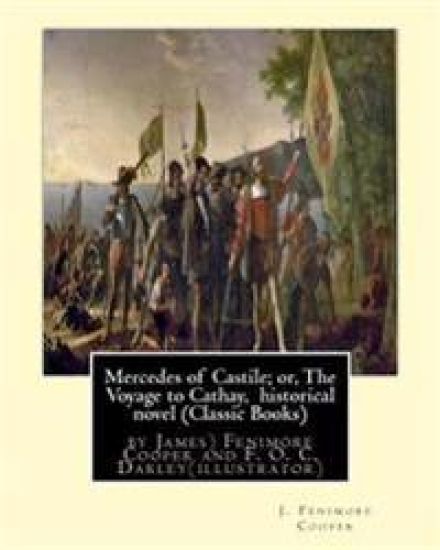
Mercedes of Castile; or, The Voyage to Cathay is a 1840 historical novel by James Fenimore Cooper. The novel is set in 15th century Europe, and follows the preparations and expedition of Christopher Columbus westward to the new world, Archival materials A full manuscript of the novel is held at the The Clifton Waller Barrett Library of American Literature in the Albert and Shirley Small Special Collections Library at the University of Virginia. Contemporary reception The New York Review of Books reviewed the novel in 1840 and was unimpressed, saying the novel was not contributing to "any great increase of fame or fortune to Mr Cooper". The review continued to describe the novel as not including much "romance", instead successfully focusing on the historical elements. In 1978, critic Kennedy Williams, Jr. agreed with the assessment, noting that the novel uses history well and accurately, but is Cooper's best example of the combination of history and fiction when "fail ing] miserably" in Cooper's novels. James Fenimore Cooper (September 15, 1789 - September 15, 1851) was a prolific and popular American writer of the early 19th century. His historical romances of frontier and Indian life in the early American days created a unique form of American literature. He lived most of his life in Cooperstown, New York, which was founded by his father William on property that he owned. Cooper was a lifelong member of the Episcopal Church and, in his later years, contributed generously to it. 1] He attended Yale University for three years, where he was a member of the Linonian Society, but was expelled for misbehavior. Before embarking on his career as a writer, he served in the U. S. Navy as a Midshipman, which greatly influenced many of his novels and other writings. The novel that launched his career was The Spy, a tale about counterespionage set during the Revolutionary War and published in 1821. He also wrote numerous sea stories, and his best-known works are five historical novels of the frontier period known as the Leatherstocking Tales. Among naval historians, Cooper's works on the early U. S. Navy have been well received, but they were sometimes criticized by his contemporaries. Among his most famous works is the Romantic novel The Last of the Mohicans, often regarded as his masterpiece. James Fenimore Cooper was born in Burlington, New Jersey in 1789 to William Cooper and Elizabeth (Fenimore) Cooper, the eleventh of 12 children, most of whom died during infancy or childhood. He was descended from James Cooper of Stratford-upon-Avon, Warwickshire, England, who emigrated to the American colonies in 1679. James and his wife were Quakers who purchased plots of land in New Jersey and Pennsylvania. Seventy-five years after his arrival in America, his great-grandson William was born on December 2, 1754. Shortly after James' first birthday, his family moved to Cooperstown, New York, a community founded by his father on a large piece of land which he had bought for development. Later, his father was elected as a United States Congressman from Otsego County. Their town was in a central area of New York that had previously been occupied by the Iroquois of the Six Nations. The Iroquois were forced to cede their territory after British defeat in the Revolutionary War, as they had been allies. Shortly after the American Revolutionary War, the state opened up these former Iroquois lands for sale and development. Cooper's father purchased several thousand acres of land in upstate New York along the head-waters of the Susquehanna River. By 1788, William Cooper had selected and surveyed the site where Cooperstown would be established. He erected a home on the shore of Otsego lake and moved his family there in the autumn of 1790. He soon began construction of the mansion that would be known as Otsego Hall. It was completed in 1799 when James was ten.
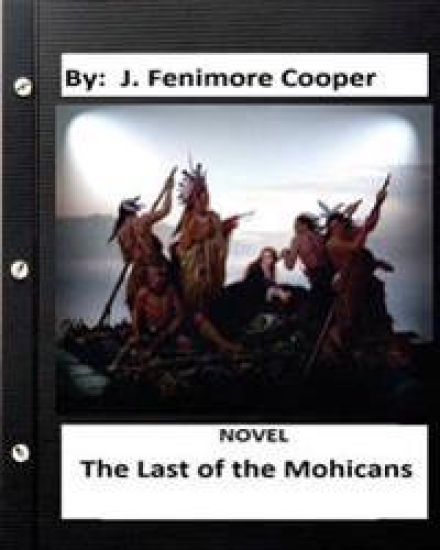
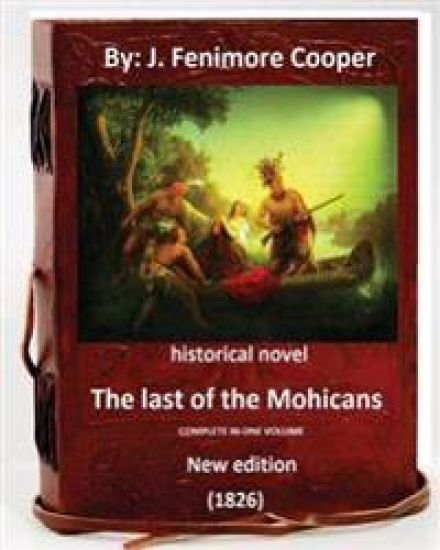
The Last of the Mohicans: A Narrative of 1757 (1826) is a historical novel by James Fenimore Cooper. It is the second book of the Leatherstocking Tales pentalogy and the best known to contemporary audiences. The Pathfinder, published 14 years later in 1840, is its sequel. The Last of the Mohicans is set in 1757, during the French and Indian War (the Seven Years' War), when France and Great Britain battled for control of North America. During this war, both the French and the British used Native American allies, but the French were particularly dependent, as they were outnumbered in the Northeast frontier areas by the more numerous British colonists. The novel is primarily set in the upper New York wilderness, detailing the transport of the two daughters of Colonel Munro, Alice and Cora, to a safe destination at Fort William Henry. Among the caravan guarding the women are the frontiersman Natty Bumppo, Major Duncan Heyward, and the Indians Chingachgook and Uncas, the former of whom is the novel's title character. These characters are sometimes seen as a microcosm of the budding American society, particularly with regards to their racial composition. According to the Encyclopedia of Media and Propaganda in Wartime America, the novel has been one of the "most popular novels in English" since its publication and it remains "widely read in American literature courses". It has been adapted numerous times and in different languages for films, TV movies and cartoons. At the time of Cooper's writing, many people believed that the Native Americans were disappearing, and would ultimately be assimilated or fail to survive. Especially in the East, their numbers continued to decline. At the same time, the author was interested in the period of the frontier of transition, when more colonists were increasing pressure on the Native Americans. He grew up in Cooperstown, New York, which his father had established on what was then a western frontier of settlement; it developed after the Revolutionary War. Cooper set this novel during the Seven Years' War, an international conflict between Great Britain and France, which had a front in North America usually known on that continent as the French and Indian War. The conflict arrayed British colonial settlers and minimal regular forces against royal French forces, with both sides also relying on Native American allies. The war was fought primarily along the frontiers of the British colonies from Virginia to Nova Scotia. In the spring of 1757, Lieutenant Colonel George Monro became garrison commander of Fort William Henry, located on Lake George (New York) in the Province of New York. In early August, Major General Louis-Joseph de Montcalm and 7,000 troops besieged the fort. On 2 August General Webb, who commanded the area from his base at Fort Edward, sent 200 regulars and 800 Massachusetts militia to reinforce the garrison at William Henry. In the novel, this is the relief column with which Monro's daughters travel.
The Last of the Mohicans: A Narrative of 1757 (1826) is a historical novel by James Fenimore Cooper. It is the second book of the Leatherstocking Tales pentalogy and the best known to contemporary audiences. The Pathfinder, published 14 years later in 1840, is its sequel. The Last of the Mohicans is set in 1757, during the French and Indian War (the Seven Years' War), when France and Great Britain battled for control of North America. During this war, both the French and the British used Native American allies, but the French were particularly dependent, as they were outnumbered in the Northeast frontier areas by the more numerous British colonists. The novel is primarily set in the upper New York wilderness, detailing the transport of the two daughters of Colonel Munro, Alice and Cora, to a safe destination at Fort William Henry. Among the caravan guarding the women are the frontiersman Natty Bumppo, Major Duncan Heyward, and the Indians Chingachgook and Uncas, the former of whom is the novel's title character. These characters are sometimes seen as a microcosm of the budding American society, particularly with regards to their racial composition. According to the Encyclopedia of Media and Propaganda in Wartime America, the novel has been one of the "most popular novels in English" since its publication and it remains "widely read in American literature courses". It has been adapted numerous times and in different languages for films, TV movies and cartoons. At the time of Cooper's writing, many people believed that the Native Americans were disappearing, and would ultimately be assimilated or fail to survive. Especially in the East, their numbers continued to decline. At the same time, the author was interested in the period of the frontier of transition, when more colonists were increasing pressure on the Native Americans. He grew up in Cooperstown, New York, which his father had established on what was then a western frontier of settlement; it developed after the Revolutionary War. Cooper set this novel during the Seven Years' War, an international conflict between Great Britain and France, which had a front in North America usually known on that continent as the French and Indian War. The conflict arrayed British colonial settlers and minimal regular forces against royal French forces, with both sides also relying on Native American allies. The war was fought primarily along the frontiers of the British colonies from Virginia to Nova Scotia. In the spring of 1757, Lieutenant Colonel George Monro became garrison commander of Fort William Henry, located on Lake George (New York) in the Province of New York. In early August, Major General Louis-Joseph de Montcalm and 7,000 troops besieged the fort. On 2 August General Webb, who commanded the area from his base at Fort Edward, sent 200 regulars and 800 Massachusetts militia to reinforce the garrison at William Henry. In the novel, this is the relief column with which Monro's daughters travel.