
Kirjojen hintavertailu – 12 903 735 kirjaa ja 27 kauppaa

Kirjailija

J. R. Trounce

Kirjat ja teokset yhdessä paikassa: 2 kirjaa, julkaisuja vuosilta 1980–2011, suosituimpiin kuuluu The Safety of Medicines. Vertaile teosten hintoja ja tarkista saatavuus suomalaisista kirjakaupoista.

Nimi esiintyy myös muodoissa: J.R. Trounce

2 kirjaa

Kirjojen julkaisuvuodet: 1980–2011.

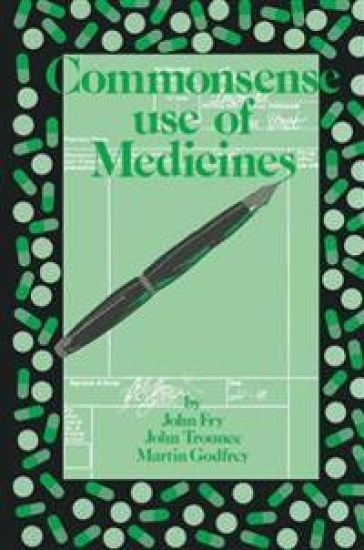
Commonsense use of Medicines

Commonsense use of Medicines

John Fry; J.R. Trounce; M. Godfrey

Springer
2011
nidottu
We share with our colleagues the difficulties presented by the increasing volume of drugs available for our use in the care of patients. The introduction of new and effective preparations has added to our problems both in keeping up to date and, paradoxically, in their proper selection and use. There are yet further difficulties in general practice because of the nature of the diseases and situations encountered; uncer­ tainties in the preciseness of di-a.gnosis, in the likely course and outcome of diseases and in the particular characteristics of the individual patient. We have attempted to ease these difficulties by adopting a logical but Simplistic schematic approach to the choice of medicines for 14 selected common conditions. Our approach includes: • statements of knowledge and understanding of the conditions; • analyses of the most suitable available drugs; • setting objectives and principles for management; • suggested treatment plans. The suggestions are, of course, our own and may not be completely acceptable to some of our readers, but in creating this schematic approach our intention has been that those who follow it will be able to select from alternative preparations with satisfactory results.
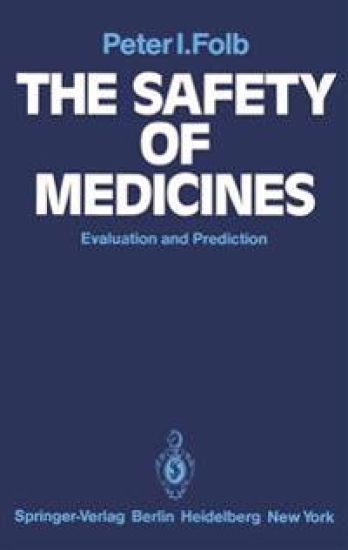
The Safety of Medicines

The Safety of Medicines

P. I. Folb; J. R. Trounce

Springer-Verlag Berlin and Heidelberg GmbH Co. K
1980
nidottu
The last thirty years have seen an unprecedented increase in the discovery of new drugs, and moreover, these drugs, unlike many of the nostra of former times, have varied and powerful pharmacological actions. The occurrence of one or two "drug disasters", together with a change in public attitudes, has made it necessary for governments to introduce legislation to control the intro­ duction and release of new therapeutic agents, and most countries in the Western World have some form of drug licensing agency. Whole series of regulations have appeared which aim at discovering and defining the toxicity of new drugs. Many of these regulations rely heavily on testing drugs in animals before they are used in man, and at present very extensive and prolonged animal studies are required by most licensing authorities. It is most opportune that Professor Folb has decided to review the present position in this monograph. It is not only inhumane but also wasteful of time and money if extensive animal experiments which have little or no relevance to the human situation are carried out; furthermore, such results may even be dangerously misleading. There is little doubt that some preliminary animal investigations are necessary, but it is essential to keep their relevance under continuous review and to adopt a critical and flexible approach rather than heap regulation upon regulation.