Kirjojen hintavertailu – 12 903 725 kirjaa ja 27 kauppaa

Kirjailija

Jack Spence

Kirjat ja teokset yhdessä paikassa: 4 kirjaa, julkaisuja vuosilta 2010–2020, suosituimpiin kuuluu Ending Apartheid. Vertaile teosten hintoja ja tarkista saatavuus suomalaisista kirjakaupoista.

4 kirjaa

Kirjojen julkaisuvuodet: 2010–2020.

Search For Justice

Search For Justice

Jack Spence

Routledge
2020
nidottu
The turbulent class conflict attendant on Allende's presidential campaign and his Unidad Popular coalition's attempts to create a socialist state spawned efforts to change the traditional judicial system in Chile. Though the UP failed to legislate a nationwide system of neighborhood courts staffed with lay judges, two decentralized courts did emerge. One employed professional judges, who held weekly informal court sessions for poor residents of their jurisdictions; the other was established illegally by a highly organized squatter settlement. Bearing the imprint of Chile's competing ideologies, the two courts were deeply affected by the dramatic events of the Allende years, and their history sheds light on those years. Moreover, the contrasting strategies and processes of the courts provide insights into the general problem of decentralization of urban institutions and the particular problems of urban dispute resolution.

Search For Justice

Search For Justice

Jack Spence

Routledge
2019
sidottu
I originally became interested in the law and society nature of this research project through a law school and then graduate political science educational background. This led me to consider courts in a number of settings, including the popular tribunals in Cuba. Before going to Chile, I wrote a lengthy paper comparing local court institutions in tribal, peasant, urban U. S. and Cuban settings. As that paper was being completed, Allende had been elected and proposals for neighborhood courts were in the air. This coincided with the above interests and with the urban political and Latin American foci I had in graduate school.
Ending Apartheid

Ending Apartheid

Jack Spence; David Welsh

Routledge
2017
sidottu
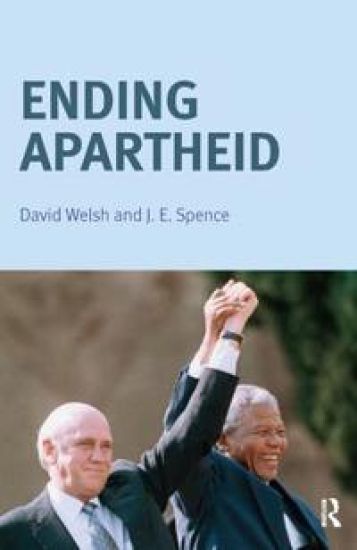
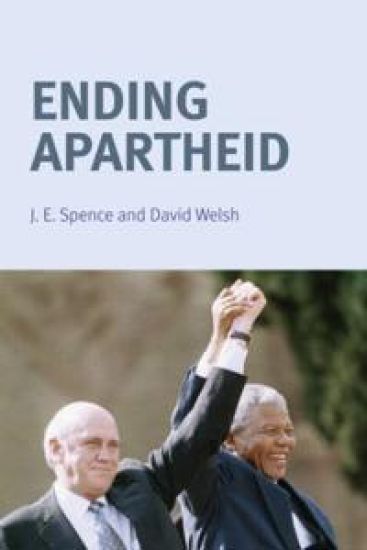
The release of Nelson Mandela from twenty-seven years imprisonment in 1990 and the free elections which followed four years later were among the most dramatic events of the twentieth century. David Welsh and J. E. Spence here examine the complex forces which lay behind that drama. They chart the rise and decline of apartheid ideology in South Africa, the internal insurrection and increased international isolation which characterised the 1980s and the political roller-coaster ride of the period after 1990 as constitutional negotiations got underway. Based on extensive interviews with those involved, Ending Apartheid traces the negotiating process in penetrating detail, noting the political skills of de Klerk and Mandela in keeping their potentially unruly constituencies in line and avoiding the major violence that many had predicted. Reaching agreement on a democratic constitution was a major achievement that surprised many sceptical observers, but the book ends on a more sombre note. Reviewing the period subsequent to the transition, it argues that while progress has been made, the future of South Africa's democracy is still far from assured. Written by two eminent scholars with decades of experience teaching in the field, Ending Apartheid is an invaluable resource for all students of South African politics seeking a deeper understanding of a defining episode in recent history.
Ending Apartheid

Ending Apartheid

Jack Spence

Routledge
2010
nidottu
The release of Nelson Mandela from twenty-seven years imprisonment in 1990 and the free elections which followed four years later were among the most dramatic events of the twentieth century. David Welsh and J. E. Spence here examine the complex forces which lay behind that drama. They chart the rise and decline of apartheid ideology in South Africa, the internal insurrection and increased international isolation which characterised the 1980s and the political roller-coaster ride of the period after 1990 as constitutional negotiations got underway. Based on extensive interviews with those involved, Ending Apartheid traces the negotiating process in penetrating detail, noting the political skills of de Klerk and Mandela in keeping their potentially unruly constituencies in line and avoiding the major violence that many had predicted. Reaching agreement on a democratic constitution was a major achievement that surprised many sceptical observers, but the book ends on a more sombre note. Reviewing the period subsequent to the transition, it argues that while progress has been made, the future of South Africa's democracy is still far from assured. Written by two eminent scholars with decades of experience teaching in the field, Ending Apartheid is an invaluable resource for all students of South African politics seeking a deeper understanding of a defining episode in recent history.