Kirjojen hintavertailu – 12 859 829 kirjaa ja 27 kauppaa

Kirjailija

Jackie Stacey

Kirjat ja teokset yhdessä paikassa: 8 kirjaa, julkaisuja vuosilta 1993–2015, suosituimpiin kuuluu Teratologies. Vertaile teosten hintoja ja tarkista saatavuus suomalaisista kirjakaupoista.

8 kirjaa

Kirjojen julkaisuvuodet: 1993–2015.

Star Gazing

Star Gazing

Jackie Stacey

Routledge
2015
sidottu
In a historical investigation of the pleasures of cinema, Star Gazing puts female spectators back into theories of spectatorship. Combining film theory with a rich body of ethnographic research, Jackie Stacey investigates how female spectators understood Hollywood stars in the 1940's and 1950's. Her study challenges the universalism of psychoanalytic theories of female spectatorship which have dominated the feminist agenda within film studies for over two decades. Drawing on letters and questionnaires from over three hundred keen cinema-goers, Stacey investigates the significance of certain Hollywood stars in women's memories of wartime and postwar Britain. Three key processes of spectatorship - escapism, identification and consumption - are explored in detail in terms of their multiple and changing meanings for female spectators at this time. Star Gazing demonstrates the importance of cultural and national location for the meanings of female spectatorship, giving a new direction to questions of popular culture and female desire.
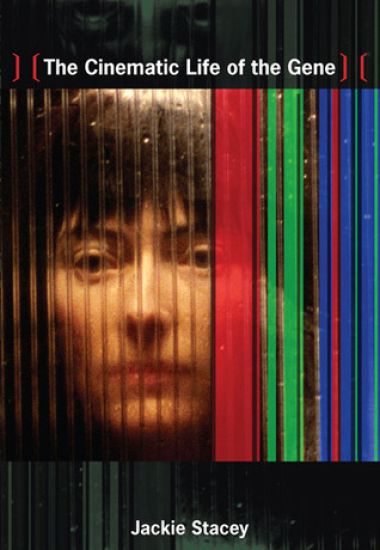
The Cinematic Life of the Gene

The Cinematic Life of the Gene

Jackie Stacey

Duke University Press
2010
pokkari
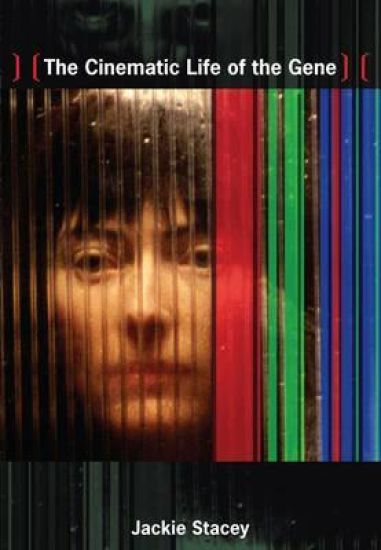
What might the cinema tell us about how and why the prospect of cloning disturbs our most profound ideas about gender, sexuality, difference, and the body? In The Cinematic Life of the Gene, the pioneering feminist film theorist Jackie Stacey argues that as a cultural technology of imitation, cinema is uniquely situated to help us theorize “the genetic imaginary,” the constellation of fantasies that genetic engineering provokes. Since the mid-1990s there has been remarkable innovation in genetic engineering and a proliferation of films structured by anxieties about the changing meanings of biological and cultural reproduction. Bringing analyses of several of these films into dialogue with contemporary cultural theory, Stacey demonstrates how the cinema animates the tropes and enacts the fears at the heart of our genetic imaginary. She engages with film theory; queer theories of desire, embodiment, and kinship; psychoanalytic theories of subject formation; and debates about the reproducibility of the image and the shift from analog to digital technologies. Stacey examines the body-horror movies Alien: Resurrection and Species in light of Jean Baudrillard’s apocalyptic proclamations about cloning and “the hell of the same,” and she considers the art-house thrillers Gattaca and Code 46 in relation to ideas about imitation, including feminist theories of masquerade, postcolonial conceptualizations of mimicry, and queer notions of impersonation. Turning to Teknolust and Genetic Admiration, independent films by feminist directors, she extends Walter Benjamin’s theory of aura to draw an analogy between the replication of biological information and the reproducibility of the art object. Stacey suggests new ways to think about those who are not what they appear to be, the problem of determining identity in a world of artificiality, and the loss of singularity amid unchecked replication.
The Cinematic Life of the Gene

The Cinematic Life of the Gene

Jackie Stacey

Duke University Press
2010
sidottu
What might the cinema tell us about how and why the prospect of cloning disturbs our most profound ideas about gender, sexuality, difference, and the body? In The Cinematic Life of the Gene, the pioneering feminist film theorist Jackie Stacey argues that as a cultural technology of imitation, cinema is uniquely situated to help us theorize “the genetic imaginary,” the constellation of fantasies that genetic engineering provokes. Since the mid-1990s there has been remarkable innovation in genetic engineering and a proliferation of films structured by anxieties about the changing meanings of biological and cultural reproduction. Bringing analyses of several of these films into dialogue with contemporary cultural theory, Stacey demonstrates how the cinema animates the tropes and enacts the fears at the heart of our genetic imaginary. She engages with film theory; queer theories of desire, embodiment, and kinship; psychoanalytic theories of subject formation; and debates about the reproducibility of the image and the shift from analog to digital technologies. Stacey examines the body-horror movies Alien: Resurrection and Species in light of Jean Baudrillard’s apocalyptic proclamations about cloning and “the hell of the same,” and she considers the art-house thrillers Gattaca and Code 46 in relation to ideas about imitation, including feminist theories of masquerade, postcolonial conceptualizations of mimicry, and queer notions of impersonation. Turning to Teknolust and Genetic Admiration, independent films by feminist directors, she extends Walter Benjamin’s theory of aura to draw an analogy between the replication of biological information and the reproducibility of the art object. Stacey suggests new ways to think about those who are not what they appear to be, the problem of determining identity in a world of artificiality, and the loss of singularity amid unchecked replication.
Global Nature, Global Culture

Global Nature, Global Culture

Sarah Franklin; Celia Lury; Jackie Stacey

SAGE Publications Inc
2000
sidottu
`An excellent book. The authors have the rare capacity to handle popular culture and case studies in a theoretically informed manner. Original and well researched' - Mike Featherstone, Nottingham Trent University Understandings of globalization have been little explored in relation to gender or related concerns such as identity, subjectivity and the body. This book contrasts `the natural' and `the global' as interpretive strategies, using approaches from feminist cultural theory. The book begins by introducing the central themes: ideas of the natural; questions of scale and context posed by globalization and their relation to forms of cultural production; the transformation of genealogy; and the emergence of interest in definitions of life and life forms. The authors explores these questions through a number of case studies including Benneton advertising, Jurassic Park, The Body Shop, British Airways, Monsanto and Dolly the Sheep. In order to respecify the `nature, culture and gender' concerns of two decades of feminist theory, this highly original book reflects, hypothesizes and develops new interpretive possibilities within established feminist analytical frames.
Global Nature, Global Culture

Global Nature, Global Culture

Sarah Franklin; Celia Lury; Jackie Stacey

SAGE Publications Inc
2000
nidottu
`An excellent book. The authors have the rare capacity to handle popular culture and case studies in a theoretically informed manner. Original and well researched' - Mike Featherstone, Nottingham Trent University Understandings of globalization have been little explored in relation to gender or related concerns such as identity, subjectivity and the body. This book contrasts `the natural' and `the global' as interpretive strategies, using approaches from feminist cultural theory. The book begins by introducing the central themes: ideas of the natural; questions of scale and context posed by globalization and their relation to forms of cultural production; the transformation of genealogy; and the emergence of interest in definitions of life and life forms. The authors explores these questions through a number of case studies including Benneton advertising, Jurassic Park, The Body Shop, British Airways, Monsanto and Dolly the Sheep. In order to respecify the `nature, culture and gender' concerns of two decades of feminist theory, this highly original book reflects, hypothesizes and develops new interpretive possibilities within established feminist analytical frames.
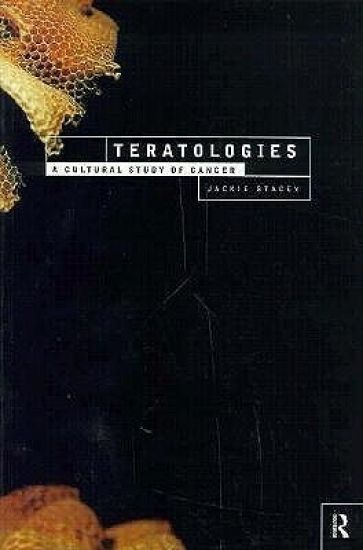
Teratologies

Teratologies

Jackie Stacey

Routledge
1997
sidottu
Stories of cancer are full of monster and marvels; the monstrousness of the disease and the treatments, the marvels of the cures and the saved lives. Still one of the most dreaded diseases to haunt our imaginations, cancer is more than an illness - it is a cultural phenomenon. People who have cancer are bombarded with competing explanations of their conditions: it is genetically inherited; it is environmentally produced; it is the result of their personality. Teratologies - A Cultural Study of Cancer investigates how this disease is perceived, experienced and theorised in contemporary society. It explores changing beliefs about the causes of, and the cures for, cancer in both biomedicine and its increasingly popular alternative counterparts. Analysing conventional and alternative medical accounts, self-help manuals and patients' personal stories, Jackie Stacey takes a critical look at the place of heroes, metaphors, the self and the body in these competing bids to produce the authoritative definition of the meaning of cancer today. Interspersed with these detailed textual investigations are discussions of broader issues such as the feminist debates about the history of science, the place of consumer culture in health practices and the status of patients and of health professionals in postmodern society. Combining authobiographical narratives with contemporary theoretical debates, the author carves out a specifically feminist analysis of the cultural dimensions of cancer. She brings accounts of her own illness under the critical lens of academic scrutiny and situates these personal stories within a discussion of contemporary cultural change.
Teratologies

Teratologies

Jackie Stacey

Routledge
1997
nidottu
Stories of cancer are full of monster and marvels; the monstrousness of the disease and the treatments, the marvels of the cures and the saved lives. Still one of the most dreaded diseases to haunt our imaginations, cancer is more than an illness - it is a cultural phenomenon. People who have cancer are bombarded with competing explanations of their conditions: it is genetically inherited; it is environmentally produced; it is the result of their personality. Teratologies - A Cultural Study of Cancer investigates how this disease is perceived, experienced and theorised in contemporary society. It explores changing beliefs about the causes of, and the cures for, cancer in both biomedicine and its increasingly popular alternative counterparts. Analysing conventional and alternative medical accounts, self-help manuals and patients' personal stories, Jackie Stacey takes a critical look at the place of heroes, metaphors, the self and the body in these competing bids to produce the authoritative definition of the meaning of cancer today. Interspersed with these detailed textual investigations are discussions of broader issues such as the feminist debates about the history of science, the place of consumer culture in health practices and the status of patients and of health professionals in postmodern society. Combining authobiographical narratives with contemporary theoretical debates, the author carves out a specifically feminist analysis of the cultural dimensions of cancer. She brings accounts of her own illness under the critical lens of academic scrutiny and situates these personal stories within a discussion of contemporary cultural change.
Star Gazing

Star Gazing

Jackie Stacey

Routledge
1993
nidottu
In a historical investigation of the pleasures of cinema, Star Gazing puts female spectators back into theories of spectatorship. Combining film theory with a rich body of ethnographic research, Jackie Stacey investigates how female spectators understood Hollywood stars in the 1940's and 1950's. Her study challenges the universalism of psychoanalytic theories of female spectatorship which have dominated the feminist agenda within film studies for over two decades. Drawing on letters and questionnaires from over three hundred keen cinema-goers, Stacey investigates the significance of certain Hollywood stars in women's memories of wartime and postwar Britain. Three key processes of spectatorship - escapism, identification and consumption - are explored in detail in terms of their multiple and changing meanings for female spectators at this time. Star Gazing demonstrates the importance of cultural and national location for the meanings of female spectatorship, giving a new direction to questions of popular culture and female desire.