Kirjojen hintavertailu – 12 859 829 kirjaa ja 27 kauppaa

Kirjailija

Jacky Hong

Kirjat ja teokset yhdessä paikassa: 11 kirjaa, julkaisuja vuosilta 2011–2024, suosituimpiin kuuluu Organizational Learning in Asia. Vertaile teosten hintoja ja tarkista saatavuus suomalaisista kirjakaupoista.

11 kirjaa

Kirjojen julkaisuvuodet: 2011–2024.

Cross-cultural Knowledge Management

Cross-cultural Knowledge Management

Jacky Hong; Jorge Muniz Jr.

TAYLOR FRANCIS LTD
2024
nidottu
Knowledge has become increasingly complex and important for organizations. Despite the growing recognition of the factors that enable knowledge management in organizations, our understanding about the unique cross-cultural challenges is rather limited. In particular, how cultural differences influence people’s participation in knowledge management activities still remains unclear. By conducting qualitative case studies and analytic hierarchical process (AHP) with multinational firms in Brazil and China, this book addresses the broader issue of cultural influences on knowledge management. Specific emphasis has been put on their indigenous cultural norms, including guanxi, face and jeitinho and the impacts they have on knowledge sharing. Drawing on an integrative knowledge management model, the results from AHP analysis reveal how some cultural-specific factors related to people, process and knowledge can affect the effectiveness of socialization, externalization and internalization processes in a production context. The book will be useful to both management academics and business practitioners. While academics will gain insight into the intricacies of knowledge sharing activities in production organizations, managers will find some useful conceptual tools to resolve the challenges of knowledge management in a cross-cultural context.
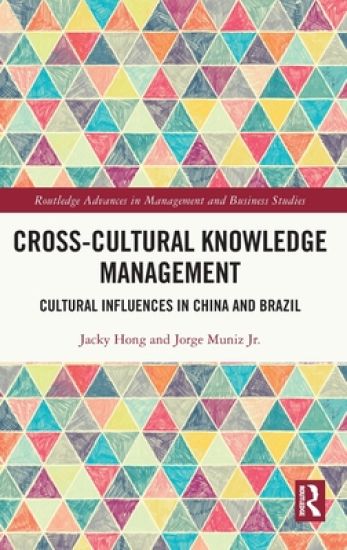
Cross-cultural Knowledge Management

Cross-cultural Knowledge Management

Jacky Hong; Jorge Muniz Jr.

TAYLOR FRANCIS LTD
2022
sidottu
Knowledge has become increasingly complex and important for organizations. Despite the growing recognition of the factors that enable knowledge management in organizations, our understanding about the unique cross-cultural challenges is rather limited. In particular, how cultural differences influence people’s participation in knowledge management activities still remains unclear. By conducting qualitative case studies and analytic hierarchical process (AHP) with multinational firms in Brazil and China, this book addresses the broader issue of cultural influences on knowledge management. Specific emphasis has been put on their indigenous cultural norms, including guanxi, face and jeitinho and the impacts they have on knowledge sharing. Drawing on an integrative knowledge management model, the results from AHP analysis reveal how some cultural-specific factors related to people, process and knowledge can affect the effectiveness of socialization, externalization and internalization processes in a production context. The book will be useful to both management academics and business practitioners. While academics will gain insight into the intricacies of knowledge sharing activities in production organizations, managers will find some useful conceptual tools to resolve the challenges of knowledge management in a cross-cultural context.
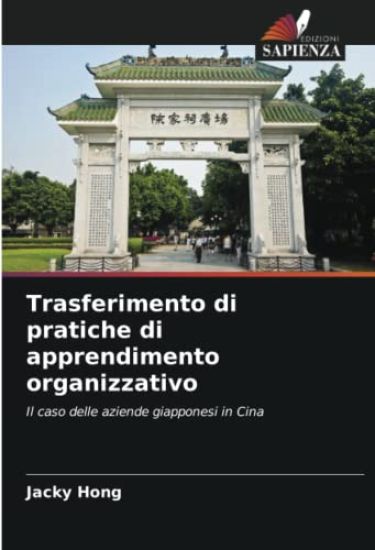
Organizational Learning in Asia

Organizational Learning in Asia

Jacky Hong; Robin Snell; Chris Rowley

Elsevier / The Lancet
2017
sidottu
Organizational Learning in Asia: Issues and Challenges addresses important and pressing questions on organizational learning in Asia in both domestic and foreign firms—those that have been forgotten in the mainstream literature or that remain unasked and unanswered. Three sets of questions are especially salient. First, how can firms operating in, or from, Asia detect, respect, recognize, and honor different cultural stances on suggestion-giving, knowledge sharing, and standardization while also challenging accepted wisdom, avoiding risks and mistakes, and voicing disagreement? Second, how can such firms facilitate local experimentation and innovation by providing a common knowledge platform in a non-totalitarian manner? Finally, how can such forums promote ‘reverse’ knowledge transfer from subsidiary to headquarters and across subsidiaries in different nations by avoiding ethnocentricity, cultivating local talent, and building a group of 'communities of practice' across cultural and status boundaries?