

Kirjojen hintavertailu – 12 871 092 kirjaa ja 27 kauppaa

Kirjailija

Jacob Abell

Kirjat ja teokset yhdessä paikassa: 2 kirjaa, julkaisuja vuosilta 2023–2026, suosituimpiin kuuluu Teaching Medieval French Language and Culture through Digital Gameplay. Vertaile teosten hintoja ja tarkista saatavuus suomalaisista kirjakaupoista.

2 kirjaa

Kirjojen julkaisuvuodet: 2023–2026.

Teaching Medieval French Language and Culture through Digital Gameplay
This book explores digital gameplay’s potential for transforming the way medievalists teach spoken and written language. The authors reflect on lessons learned from the implementation of the video game Brendan’s Voyage, which remediates key episodes from the twelfth-century poem, The Voyage of Saint Brendan the Abbot, a popular text translated from Latin into the Anglo-Norman dialect of medieval French. As the player participates in Brendan’s maritime quest (and the creation of the Brendan manuscript), the game conveys basic skills in spoken and written Anglo-Norman as well as cultural lessons about Francophone England, from the role of women in artistic patronage to the role of fantastic beasts in monastic imagination. This book positions Brendan’s Voyage as a case study whose production and use can offer insights that impact medieval studies, language pedagogy, the digital humanities, and educational video game design.
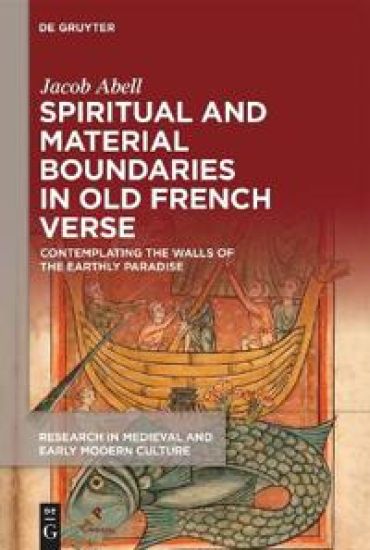
Spiritual and Material Boundaries in Old French Verse
The Earthly Paradise was a vibrant symbol at the heart of medieval Christian geographies of the cosmos. As humanity’s primal home now lost through the sins of Adam of Eve, the Earthly Paradise figured prominently in Old French tales of lands beyond the mundane world. This study proposes a fresh look at the complex roles played by the Earthly Paradise in three medieval French poems: Marie de France’s The Purgatory of St. Patrick, Benedeit’s Voyage of Saint Brendan the Abbot, and Guillaume de Lorris’s The Romance of the Rose. By examining the literary, cultural, and artistic components that informed each poem, this book advances the thesis that the exterior walls of the Earthly Paradise served evolving purposes as contemplative objects that implicitly engaged complex notions of economic solidarity and idealized community. These visions of the Earthly Paradise stand to provide a striking contribution to a historically informed response to the contemporary legacies of colonialism and the international refugee crisis.