

Kirjailija
Jacob Johanssen
Kirjat ja teokset yhdessä paikassa: 8 kirjaa, julkaisuja vuosilta 2013–2024, suosituimpiin kuuluu Die Mannosphäre. Vertaile teosten hintoja ja tarkista saatavuus suomalaisista kirjakaupoista.
8 kirjaa
Kirjojen julkaisuvuodet: 2013–2024.

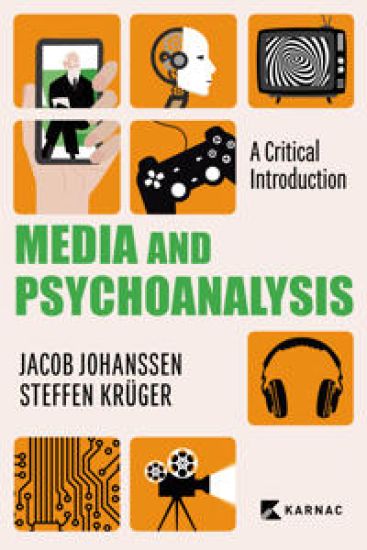
“At last, the book we have been waiting for – that comprehensive text that bites off as much as it can chew from our ragingly complex contemporary media and technology landscape, and then subjects what it finds to the psychoanalytic gaze. From AI to Žižek, the authors have tamed a dizzyingly diverse body of theory into a brilliant, comprehensive, and significant text. Johanssen and Krüger have crushed it.” Dr. Aaron Balick, psychotherapist and author of The Psychodynamics of Social Networking Our lives are saturated by media that we use in conscious as well as unconscious ways. Spanning a wide range of examples, this critical introduction guides readers through the growing field of psychoanalytic media studies in a clear and accessible manner. It is an indispensable read for anyone who wants to understand the complex relationship between humans and technology today. Jacob Johanssen and Steffen Krüger show how media function beyond the rational. What does it mean to speak of narcissism in relation to social media? How have the internet and online platforms shaped work? How do apps like Tinder and online pornography shape our experience of love and sexuality? What are the potentials and pitfalls in our relationships with AI and robots? These questions, and many others, are discussed and answered in this book. Aimed at students, academics and clinicians, this book introduces readers to key media and the ways they have been approached psychoanalytically, and presents major concepts and debates led by scholars since the 1970s.
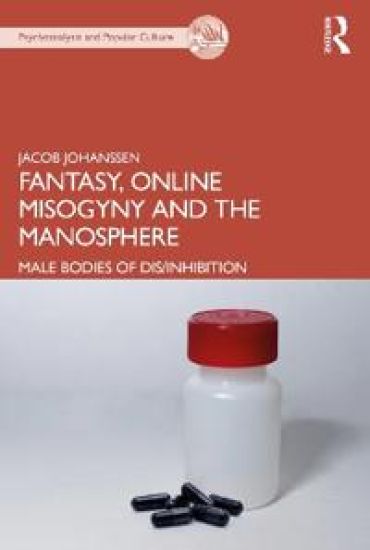
Nominated for the 2022 Gradiva® Award! This book presents the first in-depth study of online misogyny and the manosphere from a psychoanalytic perspective. The author argues that the men of the manosphere present contradictory thoughts, desires and fantasies about women which include but also go beyond misogyny. They are in a state of dis/inhibition: torn between (un)conscious forces and fantasies which erupt and are defended against. Dis/inhibition shows itself in self-victimization and defensive apathy as well as toxic agency and symbolic power and expresses itself in desire for and hatred of other bodies. The text draws on the psychoanalytic thinkers Klaus Theweleit, Elisabeth Young-Bruehl, Jessica Benjamin and Wilhelm Reich to present detailed analyses of the communities within the so-called manosphere, including incels, Men Going Their Own Way (MGTOW), alt-right YouTubers and NoFap users. Drawing on wider discussions about the status of sexuality in contemporary neoliberal technoculture since the sexual revolution of the late 1960s, it illuminates how sexuality, racism and images of the white male body shape the fantasies and affects of many men on the internet and beyond. Integrating a unique theoretical framework to help understand how today’s increase in online misogyny relates to the alt-right and fascism, Online Misogyny and the Manosphere is an important resource for academics in a variety of fields including psychoanalysis, media and communication studies, internet studies, masculinity research and more.
Nominated for the 2022 Gradiva® Award! This book presents the first in-depth study of online misogyny and the manosphere from a psychoanalytic perspective. The author argues that the men of the manosphere present contradictory thoughts, desires and fantasies about women which include but also go beyond misogyny. They are in a state of dis/inhibition: torn between (un)conscious forces and fantasies which erupt and are defended against. Dis/inhibition shows itself in self-victimization and defensive apathy as well as toxic agency and symbolic power and expresses itself in desire for and hatred of other bodies. The text draws on the psychoanalytic thinkers Klaus Theweleit, Elisabeth Young-Bruehl, Jessica Benjamin and Wilhelm Reich to present detailed analyses of the communities within the so-called manosphere, including incels, Men Going Their Own Way (MGTOW), alt-right YouTubers and NoFap users. Drawing on wider discussions about the status of sexuality in contemporary neoliberal technoculture since the sexual revolution of the late 1960s, it illuminates how sexuality, racism and images of the white male body shape the fantasies and affects of many men on the internet and beyond. Integrating a unique theoretical framework to help understand how today’s increase in online misogyny relates to the alt-right and fascism, Online Misogyny and the Manosphere is an important resource for academics in a variety of fields including psychoanalysis, media and communication studies, internet studies, masculinity research and more.
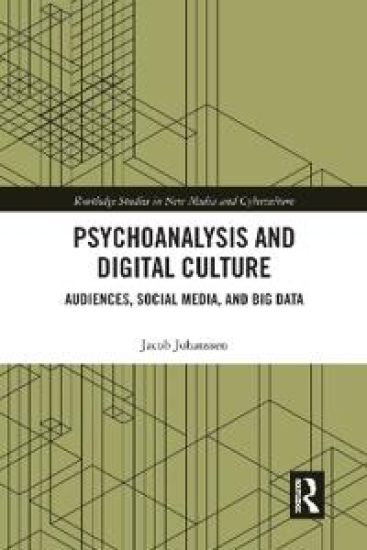
Psychoanalysis and Digital Culture offers a comprehensive account of our contemporary media environment—digital culture and audiences in particular—by drawing on psychoanalysis and media studies frameworks. It provides an introduction to the psychoanalytic affect theories of Sigmund Freud and Didier Anzieu and applies them theoretically and methodologically in a number of case studies. Johanssen argues that digital media fundamentally shape our subjectivities on affective and unconscious levels, and he critically analyses phenomena such as television viewing, Twitter use, affective labour on social media, and data-mining. How does watching television involve the body? Why are we so drawn to reality television? Why do we share certain things on social media and not others? How are bodies represented on social media? How do big data and data mining influence our identities? Can algorithms help us make better decisions? These questions amongst others are addressed in the chapters of this wide-ranging book. Johanssen shows in a number of case studies how a psychoanalytic angle can bring new insights to audience studies and digital media research more generally. From audience research with viewers of the reality television show Embarrassing Bodies and how they unconsciously used it to work through feelings about their own bodies, to a critical engagement with Hardt and Negri's notion of affective labour and how individuals with bodily differences used social media for their own affective-digital labour, the book suggests that an understanding of affect based on Freud and Anzieu is helpful when thinking about media use. The monograph also discusses the perverse implications of algorithms, big data and data mining for subjectivities. In drawing on empirical data and examples throughout, Johanssen presents a compelling analysis of our contemporary media environment.
Psychoanalysis and Digital Culture offers a comprehensive account of our contemporary media environment—digital culture and audiences in particular—by drawing on psychoanalysis and media studies frameworks. It provides an introduction to the psychoanalytic affect theories of Sigmund Freud and Didier Anzieu and applies them theoretically and methodologically in a number of case studies. Johanssen argues that digital media fundamentally shape our subjectivities on affective and unconscious levels, and he critically analyses phenomena such as television viewing, Twitter use, affective labour on social media, and data-mining. How does watching television involve the body? Why are we so drawn to reality television? Why do we share certain things on social media and not others? How are bodies represented on social media? How do big data and data mining influence our identities? Can algorithms help us make better decisions? These questions amongst others are addressed in the chapters of this wide-ranging book. Johanssen shows in a number of case studies how a psychoanalytic angle can bring new insights to audience studies and digital media research more generally. From audience research with viewers of the reality television show Embarrassing Bodies and how they unconsciously used it to work through feelings about their own bodies, to a critical engagement with Hardt and Negri's notion of affective labour and how individuals with bodily differences used social media for their own affective-digital labour, the book suggests that an understanding of affect based on Freud and Anzieu is helpful when thinking about media use. The monograph also discusses the perverse implications of algorithms, big data and data mining for subjectivities. In drawing on empirical data and examples throughout, Johanssen presents a compelling analysis of our contemporary media environment.
Cyborg Subjects: Discourses on Digital Culture
Bonni Rambatan; Jacob Johanssen
Createspace Independent Publishing Platform
2013
nidottu