Kirjojen hintavertailu – 12 859 819 kirjaa ja 27 kauppaa

Kirjailija

Jacob Kaplan

Kirjat ja teokset yhdessä paikassa: 3 kirjaa, julkaisuja vuosilta 2014–2022, suosituimpiin kuuluu A Criminologist's Guide to R. Vertaile teosten hintoja ja tarkista saatavuus suomalaisista kirjakaupoista.

3 kirjaa

Kirjojen julkaisuvuodet: 2014–2022.

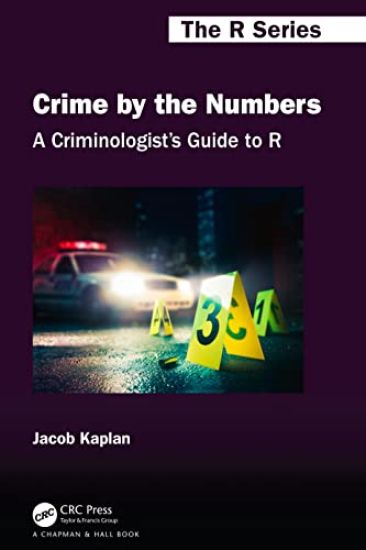
A Criminologist's Guide to R

A Criminologist's Guide to R

Jacob Kaplan

TAYLOR FRANCIS LTD
2022
sidottu
A Criminologist's Guide to R: Crime by the Numbers introduces the programming language R and covers the necessary skills to conduct quantitative research in criminology. By the end of this book, a person without any prior programming experience can take raw crime data, be able to clean it, visualize the data, present it using R Markdown, and change it to a format ready for analysis. A Criminologist's Guide to R focuses on skills specifically for criminology such as spatial joins, mapping, and scraping data from PDFs, however any social scientist looking for an introduction to R for data analysis will find this useful. Key Features:Introduction to RStudio including how to change user preference settings. Basic data exploration and cleaning – subsetting, loading data, regular expressions, aggregating data. Graphing with ggplot2. How to make maps (hotspot maps, choropleth maps, interactive maps). Webscraping and PDF scraping. Project management – how to prepare for a project, how to decide which projects to do, best ways to collaborate with people, how to store your code (using git), and how to test your code.
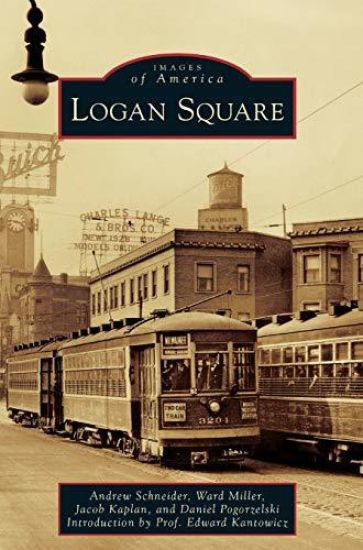
Logan Square

Logan Square

Andrew Schneider; Ward Miller; Jacob Kaplan

Arcadia Publishing Library Editions
2018
sidottu
The community now called Logan Square began as a patchwork of farms, hay fields, subdivisions, and small towns in rural Jefferson Township. Subsumed into the rapidly expanding city of Chicago at the end of the 19th century, the elegant residences lining the boulevards would gain prominence as an ethnic gold coast. Over time, a shifting kaleidoscope of peoples would call Logan Square home, including Yankee farmers, Scandinavian proprietors, German tradesmen, African American freedmen, Polish shopkeepers, Jewish merchants, Filipino laborers, and Cuban refugees--a diversity further enriched with the many nations of the former Soviet Bloc, as well as Latin America and the Caribbean, that would later settle here. Like many other Chicago neighborhoods, change is the one constant, as the arts have brought a renaissance to this working-class corner of the city. The photographs that appear in this book were compiled by the authors from a variety of private and institutional collections.