Kirjojen hintavertailu – 12 859 828 kirjaa ja 27 kauppaa

Kirjailija

Jacob Öberg

Kirjat ja teokset yhdessä paikassa: 13 kirjaa, julkaisuja vuosilta 2011–2025, suosituimpiin kuuluu EU mellan federalism och flexibel integration. Vertaile teosten hintoja ja tarkista saatavuus suomalaisista kirjakaupoista.

Nimi esiintyy myös muodoissa: Jacob Oberg

13 kirjaa

Kirjojen julkaisuvuodet: 2011–2025.

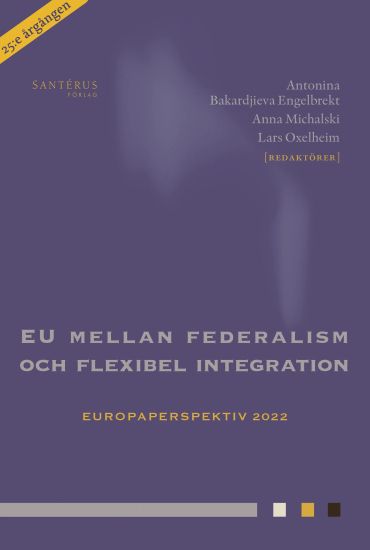
EU mellan federalism och flexibel integration

EU mellan federalism och flexibel integration

Fredrik NG Andersson; Krister Andersson; Malena Britz; Jörgen Hettne; Lars Jonung; Christer Karlsson; Moa Mårtensson; Thomas Persson; Jesper Roine; Daniel Silander; Anna Södersten; Jacob Öberg

Santérus Förlag
2022
sidottu
Ska EU utvecklas i en federal riktning eller ska flexibla lösningar på konkreta problem tillämpas? Detta är ödesfrågan som EU återigen står inför i en tid då nya hotbilder växer sig starka i omvärlden och flera inom-europeiska utmaningar kvarstår. En tydlig framtida färdriktning är ännu inte utstakad. Låter sig de mönster som kan skönjas i utvecklingen under de senaste åren tolkas som att EU har tagit avgörande kliv mot ett federalt system, eller handlar det snarare om en utveckling i flera hastigheter? I en tid då EU står inför stora utmaningar är handlingskraften i dess befogenheter och bärigheten i politiska strukturer avgörande för framtiden. Dessa utmaningar ställer viktiga frågor på sin spets: utgör planerna att upprätta en europeisk försvarsunion, jämte inrättandet av en europeisk åklagarmyndighet avgörande steg bort från statssuveräniteten? Innebär den nya utformningen av EU:s statsstödsregler ett hot mot demokratin? Hur påverkar rättsstatskrisen integrationen i EU? Hur ser möjligheterna och utmaningarna ut för en gemensam skatte- och finanspolitik inom EU? Vilken roll spelar graden av ekonomisk jämlikhet för EU:s fortsatta utveckling? Finns det en fungerande parlamentarism i EU? Dessa och andra frågor belyses i den tjugofemte årgången av Europaperspektiv. Boken är tvärvetenskaplig och innehåller nio kapitel skrivna av forskare inom juridik, statskunskap och ekonomiska ämnen, som ur olika perspektiv analyserar den europeiska integrationens färdriktning.
The Normative Foundations for EU Criminal Justice

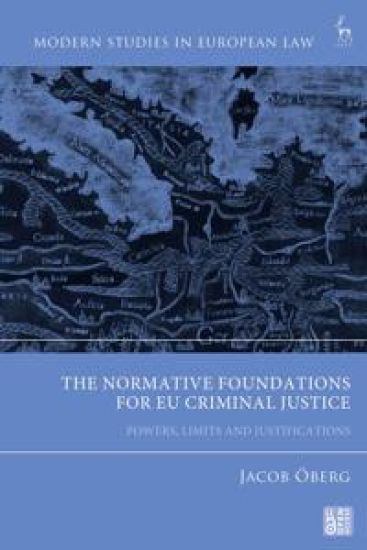
The Normative Foundations for EU Criminal Justice

Jacob Öberg

BLOOMSBURY PUBLISHING PLC
2025
nidottu
Should the European Union regulate criminal justice? This open access book explores the question forensically, establishing whether a compelling normative justification for EU action in the field exists. It develops an integrated standard based on the perspectives of the effective allocation of regulatory authority between the EU and the Member States, representation-based political theories, and harm-based theories of criminal law. This is a work that will be welcomed not only by EU criminal law scholars, but also by practitioners, judges and policymakers. The ebook editions of this book are available open access under a CC BY-NC-ND 4.0 licence on bloomsburycollections.com.
The Normative Foundations for EU Criminal Justice

The Normative Foundations for EU Criminal Justice

Jacob Öberg

BLOOMSBURY PUBLISHING PLC
2024
sidottu
Should the European Union regulate criminal justice? This open access book explores the question forensically, establishing whether a compelling normative justification for EU action in the field exists. It develops an integrated standard based on the perspectives of the effective allocation of regulatory authority between the EU and the Member States, representation-based political theories, and harm-based theories of criminal law. This is a work that will be welcomed not only by EU criminal law scholars, but also by practitioners, judges and policymakers. The ebook editions of this book are available open access under a CC BY-NC-ND 4.0 licence on bloomsburycollections.com.
Limits to EU Powers

Limits to EU Powers

Jacob Öberg

Hart Publishing
2019
nidottu
PRAISE FOR THE BOOK“…essential reading for anyone interested in the existence and exercise of EU powers in the field of criminal law. Öberg’s critical examination of the constitutional constraints to EU action also raises many questions that are of great interest in other areas of EU competence. The book deserves a wide readership among scholars interested in the constitutional workings of the European Union.” Samuli Miettinen, University of Helsinki & Tallinn University"The main strength of this book lies in its comprehensiveness of dealing with the topical issue of EU regulatory criminal law from the fascinating perspective of limits to EU powers. Its particular contribution to existing scholarship in the field of EU criminal law concerns its focus on judicial checks on the exercise of competences as to which the book offers a convincing proposal for a stricter standard for judicial review in matters of regulatory criminal law and beyond." Professor Jannemieke Ouwerkerk, Leiden Law School"An excellent read on competence allocation in EU law and what it means in criminal law context. This book guides the reader through very complex questions of the contours of subsidiarity, national competences and the exact limits of EU powers. It also supplies up to date case studies of financial crimes and the need for the EU to act effectively and thereby increase confidence in the market and the challenges it may cause for national systems. A very timely contribution." Ester Herlin Karnell, VU University AmsterdamPursuant to the precepts of EU law, EU policy-makers are bound to ensure that any EU legislation must fall within the remit of the EU's competences. This monograph looks at this highly contested issue, with particular reference to European Union criminal law. It looks at the powers enjoyed by the EU to impose criminal sanctions to suggest mechanisms by which legislative powers could be kept in check. The book argues that the main responsibility for providing checks against the exercise of EU power lies with the EU judiciary. It argues that the most effective form of review is procedural and through the case study of sanctions, provides the basis for such a review. Innovative, engaging and rigorous, this is an important publication both in the field of European criminal and constitutional law.
Limits to EU Powers

Limits to EU Powers

Jacob Öberg

Hart Publishing
2017
sidottu
PRAISE FOR THE BOOK“…essential reading for anyone interested in the existence and exercise of EU powers in the field of criminal law. Öberg’s critical examination of the constitutional constraints to EU action also raises many questions that are of great interest in other areas of EU competence. The book deserves a wide readership among scholars interested in the constitutional workings of the European Union.” Samuli Miettinen, University of Helsinki & Tallinn University"The main strength of this book lies in its comprehensiveness of dealing with the topical issue of EU regulatory criminal law from the fascinating perspective of limits to EU powers. Its particular contribution to existing scholarship in the field of EU criminal law concerns its focus on judicial checks on the exercise of competences as to which the book offers a convincing proposal for a stricter standard for judicial review in matters of regulatory criminal law and beyond." Professor Jannemieke Ouwerkerk, Leiden Law School"An excellent read on competence allocation in EU law and what it means in criminal law context. This book guides the reader through very complex questions of the contours of subsidiarity, national competences and the exact limits of EU powers. It also supplies up to date case studies of financial crimes and the need for the EU to act effectively and thereby increase confidence in the market and the challenges it may cause for national systems. A very timely contribution." Ester Herlin Karnell, VU University AmsterdamPursuant to the precepts of EU law, EU policy-makers are bound to ensure that any EU legislation must fall within the remit of the EU's competences. This monograph looks at this highly contested issue, with particular reference to European Union criminal law. It looks at the powers enjoyed by the EU to impose criminal sanctions to suggest mechanisms by which legislative powers could be kept in check. The book argues that the main responsibility for providing checks against the exercise of EU power lies with the EU judiciary. It argues that the most effective form of review is procedural and through the case study of sanctions, provides the basis for such a review. Innovative, engaging and rigorous, this is an important publication both in the field of European criminal and constitutional law.