
Kirjojen hintavertailu – 12 903 725 kirjaa ja 27 kauppaa

Kirjailija

Jacques Rolland

Kirjat ja teokset yhdessä paikassa: 2 kirjaa, julkaisuja vuosilta 2000–2004, suosituimpiin kuuluu The Cook's Essential Kitchen Dictionary. Vertaile teosten hintoja ja tarkista saatavuus suomalaisista kirjakaupoista.

2 kirjaa

Kirjojen julkaisuvuodet: 2000–2004.

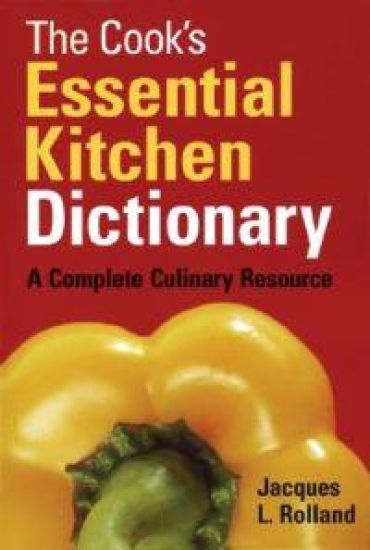
The Cook's Essential Kitchen Dictionary

The Cook's Essential Kitchen Dictionary

Jacques Rolland

Robert Rose Inc
2004
nidottu
A blend of history, etymology, anecdotes, origins and culture of food. How often have you found yourself in the kitchen in the middle of preparing a recipe when you come across an unfamiliar term? Not recognizing a word and its meaning can diminish or slow down the pleasure of preparing a dish. Or perhaps you have a love of words and are intrigued by their historical background and linguistic origins. Cooking is a wonderful adventure especially when the terms, definitions and historical origins of words in recipes are familiar. The Cook's Essential Kitchen Dictionary defines 4,500 key food words and provides a wealth of historical background for many of them. For anyone who cooks or who simply loves food, this book is a vital reference source and an outstanding cookbook supplement. The book includes: Food and alcohol terms listed alphabetically for easy reference Illustrations throughout particularly for fruits and vegetables British, American and many foreign language cooking terms Complete pasta appendix Wonderful selection of fascinating food quotes and anecdotes Basic cooking methods. The rich and rare culinary information describes subjects as varied as Humble Pie and Hanger Steak to Squawroot and Stracchino. The Cook's Essential Kitchen Dictionary is an excellent resource to have on hand in the kitchen and makes for delightful armchair reading as well.
God, Death, and Time

God, Death, and Time

Emmanuel Levinas; Jacques Rolland

Stanford University Press
2000
sidottu
This book consists of transcripts from two lecture courses Levinas delivered in 1975-76, his last year at the Sorbonne. They cover some of the most pervasive themes of his thought and were written at a time when he had just published his most important—and difficult—book, Otherwise than Being, or Beyond Essence. Both courses pursue issues related to the question at the heart of Levinas's thought: ethical relation. The Foreword and Afterword place the lectures in the context of his work as a whole, rounding out this unique picture of Levinas the thinker and the teacher. The lectures are essential to a full understanding of Levinas for three reasons. First, he seeks to explain his thought to an audience of students, with a clarity and an intensity altogether different from his written work. Second, the themes of God, death, and time are not only crucial for Levinas, but they lead him to confront their treatment by the main philosphers of the great continental tradition. Thus his discussions of accounts of death by Heidegger, Hegel, and Bloch place Levinas's thought in a broader context. Third, the basic concepts Levinas employs are those of Otherwise than Being rather than the earlier Totality and Infinity: patience, obsession, substitution, witness, traumatism. There is a growing recognition that the ultimate standing of Levinas as a philosopher may well depend on his assessment of those terms. These lectures offer an excellent introduction to them that shows how they contribute to a wide range of traditional philosophical issues.