Kirjailija
Jakuta Alikavazovic
Kirjat ja teokset yhdessä paikassa: 4 kirjaa, julkaisuja vuosilta 2020–2026, suosituimpiin kuuluu Aldrig någonsin. Vertaile teosten hintoja ja tarkista saatavuus suomalaisista kirjakaupoista.
4 kirjaa
Kirjojen julkaisuvuodet: 2020–2026.
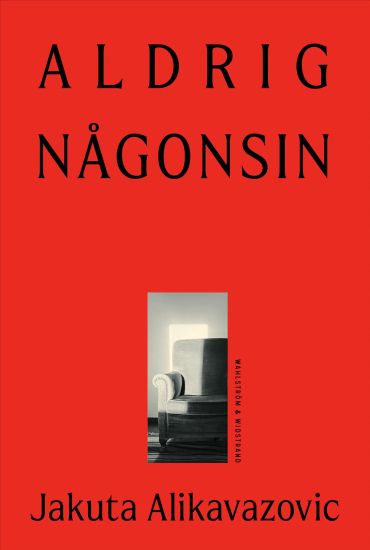
”Under lång tid hade jag ingenting att säga om min mor.” När modern dör börjar berättaren nysta i den gåta som alltid funnits där. Vem var hon – poeten som rörde sig i 1960- och 70-talens litterära kretsar på Balkan, publicerade hyllade diktsamlingar och sedan plötsligt slutade skriva? Som emigrerade till Frankrike och, med sin ettåriga dotter i famnen, stod bland människorna vid Jean-Paul Sartres begravning? Vars liv också tycks ha korsats av säkerhetspolisen? Och som gradvis drog sig undan, tills hon till sist försvann in i tystnaden? Berättaren följer moderns olika försvinnanden – från dödens slutgiltiga utplåning tillbaka till barndomens osynlighet, via det politiska utraderandet i det forna Jugoslavien, vidare in i det fläckfria kökets befallningar om att sitta rak i ryggen, och genom de masker vi bar under pandemin. Nu när hon själv är mor tvingas hon ompröva vad som förs vidare mellan generationer – och vad som går förlorat. Aldrig någonsin är en djupt fängslande roman om moderskap och dotterskap, familjehemligheter, förlust och de berättelser vi skapar för att kunna leva vidare. En av Frankrikes mest uppmärksammade och prisbelönta författare i den yngre generationen översätts nu för första gången till svenska.

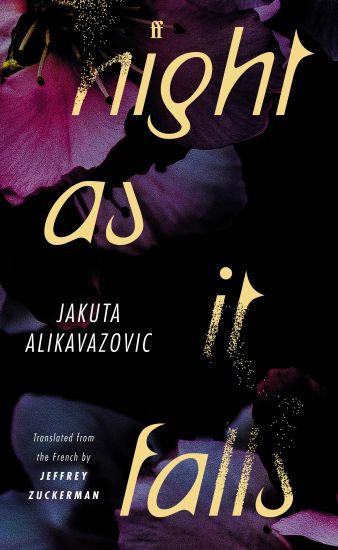
'Jakuta Alikavazovic writes with lyric precision while making the limits of language felt. We need all of her books in English.' Ben Lerner**Longlisted for the Oxford-Weidenfeld Translation Prize**Amelia was one of those people who destroyed everything and called it art. Paul works as a hotel night guard to make ends meet. Amelia, who studies at the same university, is the young woman who rents Room 313. Everything about her is a mystery: where she goes, who she meets - and where she comes from. The two students become compulsively and inextricably entangled, until one day, Amelia disappears. Night as It Falls is a novel of high passion and low light, tracing two young lovers who must both come to terms with their inherited bonds and the paths that shape the future.'A dark, brooding jewel of a book.' Irish Times
Tools for Extinction
Enrique Vila-Matas; Olivia Sudjic; Jon Fosse; Inger Wold Lund; Vi Khi Nao; Patrícia Portela; Lucie Elven; Mara Coson; Christina Hesselholdt; Jean-Baptiste Del Amo; Naja Marie Aidt; Michael Salu; Jakuta Alikavazovic; Anna Zett; Emilio Fraia; Frode Grytten; Olga Ravn; Joanna Walsh
Lolli Editions
2020
nidottu
Halvin toimitettuna 18,80 €
Enrique Vila-Matas, Olivia Sudjic, Jon Fosse, Inger Wold Lund, Vi Khi Nao, Patrícia Portela, Lucie Elven, Mara Coson, Christina Hesselholdt, Jean-Baptiste Del Amo, Naja Marie Aidt, Michael Salu, Joanna Walsh, Jakuta Alikavazovic, Anna Zett, Emilio Fraia, Frode Grytten, and Olga Ravn Translations by Margaret Jull Costa, Zoë Perry, Martin Aitken, Denise Newman, Paul Russell Garrett, Damion Searls, and Rahul Bery Eighteen international writers respond to the open-ended period of social distancing, closures, and illness caused by Covid-19. Compiled during the initial lockdown in Europe, this special collection is a meteoric publishing project with contributions from some of the most exciting and innovative authors working today. Meditating on notions of distance and closeness, sameness and alterity, extinguishing and kindling, Tools for Extinction considers how a common pause might give rise to new modes of domesticity and shift experiences of time. What gestures and actions are we willing to perform to make ourselves, and each other, feel at ease – or at work? What tools and objects are useful, or unprecedentedly useless, to us in the process? And as our species’ trademark proclivity for projecting ourselves into the future is disrupted, might we come to see the buildings, animals, plants, and foodstuffs around us in a new light? The anthology takes its name from Steven Brand’s Whole Earth Catalog, a 1960s counterculture compendium of product reviews, essays, and articles on the themes of self-sufficiency, ecology, and alternative education. By giving “access to tools”, a new social order and a more sustainable Earth was imagined. Compiled, edited and with a foreword by Denise Rose Hansen.