Kirjojen hintavertailu – 12 903 725 kirjaa ja 27 kauppaa

Kirjailija

James A. Banks

Kirjat ja teokset yhdessä paikassa: 11 kirjaa, julkaisuja vuosilta 2003–2020, suosituimpiin kuuluu Handbook of Research on Multicultural Education. Vertaile teosten hintoja ja tarkista saatavuus suomalaisista kirjakaupoista.

11 kirjaa

Kirjojen julkaisuvuodet: 2003–2020.

Diversity, Transformative Knowledge, and Civic Education
WINNER 2021 Society of Professors of Education Outstanding Book AwardThe essays collected in this book, by James A. Banks, a foundational figure in the field of multicultural education, illuminate the interconnection between the author’s work on knowledge construction and civic education. In pieces both poignant and personal, Banks shares some of his most groundbreaking and innovative work. Diversity, Transformative Knowledge, and Civic Education aims to unpack the "citizenship-education dilemma," whereby education programs strive to teach students democratic ideals and values within social, economic, political, and educational contexts that contradict justice, equality, and human rights. For change to take place, students need to internalize democratic values, by directly experiencing them in transformative classrooms and schools that are envisioned and described in this book. Drawn from Banks’ formidable canon, this collection highlights the conceptual, curricular, and pedagogical issues related to this dilemma, and signals a fundamental shift toward transformative citizenship education. Students, scholars and educators in the fields of multicultural education, civic education, social studies education, comparative education, and the foundations of education will find this book to be a valuable resource for discussion and discovery.
Diversity, Transformative Knowledge, and Civic Education
WINNER 2021 Society of Professors of Education Outstanding Book AwardThe essays collected in this book, by James A. Banks, a foundational figure in the field of multicultural education, illuminate the interconnection between the author’s work on knowledge construction and civic education. In pieces both poignant and personal, Banks shares some of his most groundbreaking and innovative work. Diversity, Transformative Knowledge, and Civic Education aims to unpack the "citizenship-education dilemma," whereby education programs strive to teach students democratic ideals and values within social, economic, political, and educational contexts that contradict justice, equality, and human rights. For change to take place, students need to internalize democratic values, by directly experiencing them in transformative classrooms and schools that are envisioned and described in this book. Drawn from Banks’ formidable canon, this collection highlights the conceptual, curricular, and pedagogical issues related to this dilemma, and signals a fundamental shift toward transformative citizenship education. Students, scholars and educators in the fields of multicultural education, civic education, social studies education, comparative education, and the foundations of education will find this book to be a valuable resource for discussion and discovery.
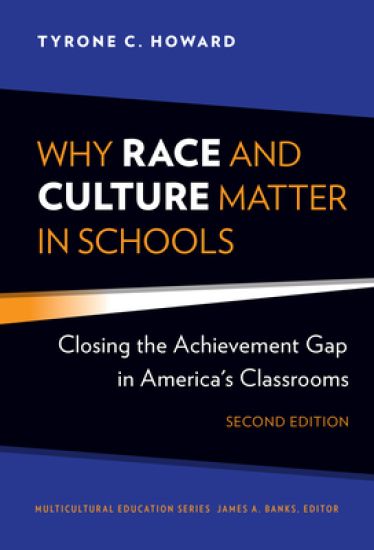
Why Race and Culture Matter in Schools

Why Race and Culture Matter in Schools

Tyrone C. Howard; James A. Banks

Teachers' College Press
2020
sidottu
Issues tied to race and culture continue to be a part of the landscape of America's schools and classrooms. Given the rapid demographic transformation in the nation's states, cities, counties, and schools, it is essential that all school personnel acquire the necessary knowledge, skills, and dispositions to talk, teach, and think across racial and cultural differences. The second edition of Howard's bestseller has been updated to take a deeper look at how schools must be prepared to respond to disparate outcomes among students of color. Tyrone Howard draws on theoretical constructs tied to race and racism, culture and opportunity gaps to address pressing issues stemming from the chronic inequalities that remain prevalent in many schools across the country. This time-honored text will help educators at all levels respond with greater conviction and clarity on how to create more equitable, inclusive, and democratic schools as sites for teaching and learning. The New Edition: Addresses changing ethnic and racial demographics in U. S. schools and communities. Identifies core gaps in academic outcomes across racial and ethnic lines. Addresses potential root causes of academic disparities. Offers recommendations for addressing disparities in outcomes. Provides in-depth analysis on the salience of race and racism in U. S. schools. Includes strategies to help school leaders create more equitable schools. Identifies innovative programs with evidence-based results on eliminating disparities.
Why Race and Culture Matter in Schools

Why Race and Culture Matter in Schools

Tyrone C. Howard; James A. Banks

Teachers' College Press
2020
nidottu
Issues tied to race and culture continue to be a part of the landscape of America's schools and classrooms. Given the rapid demographic transformation in the nation's states, cities, counties, and schools, it is essential that all school personnel acquire the necessary knowledge, skills, and dispositions to talk, teach, and think across racial and cultural differences. The second edition of Howard's bestseller has been updated to take a deeper look at how schools must be prepared to respond to disparate outcomes among students of color. Tyrone Howard draws on theoretical constructs tied to race and racism, culture and opportunity gaps to address pressing issues stemming from the chronic inequalities that remain prevalent in many schools across the country. This time-honored text will help educators at all levels respond with greater conviction and clarity on how to create more equitable, inclusive, and democratic schools as sites for teaching and learning. The New Edition: Addresses changing ethnic and racial demographics in U. S. schools and communities. Identifies core gaps in academic outcomes across racial and ethnic lines. Addresses potential root causes of academic disparities. Offers recommendations for addressing disparities in outcomes. Provides in-depth analysis on the salience of race and racism in U. S. schools. Includes strategies to help school leaders create more equitable schools. Identifies innovative programs with evidence-based results on eliminating disparities.
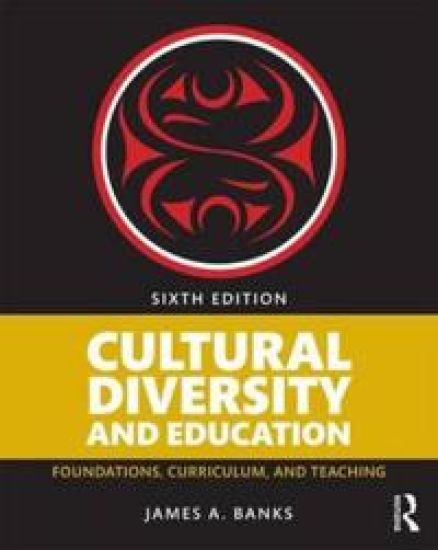
Cultural Diversity and Education

Cultural Diversity and Education

James A. Banks

Routledge
2016
sidottu
Now available in paperback, the sixth edition of this definitive text provides students a strong background in the conceptual, theoretical, and philosophical issues in multicultural education from a leading authority and scholarly leader of the field---James A. Banks. In the opening chapter author Banks presents his well-known and widely used concept of Dimensions of Multicultural Education to help build an understanding of how the various components of multicultural education are interrelated. He then provides an overview on preparing students to function as effective citizens in a global world; discusses the dimensions, history, and goals of multicultural education; presents the conceptual, philosophical, and research issues related to education and diversity; examines the issues involved in curriculum and teaching; looks at gender equity, disability, giftedness, and language diversity; and focuses on intergroup relations and principles for teaching and learning. This new edition incorporates new concepts, theories, research, and developments in the field of multicultural education and features: A new Chapter 5, "Increasing Student Academic Achievement: Paradigms and Explanations" provides important explanations for the achievement gap and suggests ways that educators can work to close it. A new Chapter 7, "Researching Race, Culture, and Difference," explains the unique characteristics of multicultural research and how it differs from mainstream research in education and social science. A new Chapter 14, "Principles for Teaching and Learning in a Multicultural Society" contains research-based guidelines for reforming teaching and the school in order to increase the academic achievement and social development of students from diverse racial, ethnic, cultural, language, and gender groups. A new Appendix—"Essential Principles Checklist"—designed to help educators determine the extent to which practices within their schools, colleges, and universities are consistent with the research-based findings described in the book.
Cultural Diversity and Education

Cultural Diversity and Education

James A. Banks

Routledge
2015
nidottu

Halvin toimitettuna 91,90 €

Now available in paperback, the sixth edition of this definitive text provides students a strong background in the conceptual, theoretical, and philosophical issues in multicultural education from a leading authority and scholarly leader of the field---James A. Banks. In the opening chapter author Banks presents his well-known and widely used concept of Dimensions of Multicultural Education to help build an understanding of how the various components of multicultural education are interrelated. He then provides an overview on preparing students to function as effective citizens in a global world; discusses the dimensions, history, and goals of multicultural education; presents the conceptual, philosophical, and research issues related to education and diversity; examines the issues involved in curriculum and teaching; looks at gender equity, disability, giftedness, and language diversity; and focuses on intergroup relations and principles for teaching and learning. This new edition incorporates new concepts, theories, research, and developments in the field of multicultural education and features: A new Chapter 5, "Increasing Student Academic Achievement: Paradigms and Explanations" provides important explanations for the achievement gap and suggests ways that educators can work to close it. A new Chapter 7, "Researching Race, Culture, and Difference," explains the unique characteristics of multicultural research and how it differs from mainstream research in education and social science. A new Chapter 14, "Principles for Teaching and Learning in a Multicultural Society" contains research-based guidelines for reforming teaching and the school in order to increase the academic achievement and social development of students from diverse racial, ethnic, cultural, language, and gender groups. A new Appendix—"Essential Principles Checklist"—designed to help educators determine the extent to which practices within their schools, colleges, and universities are consistent with the research-based findings described in the book.
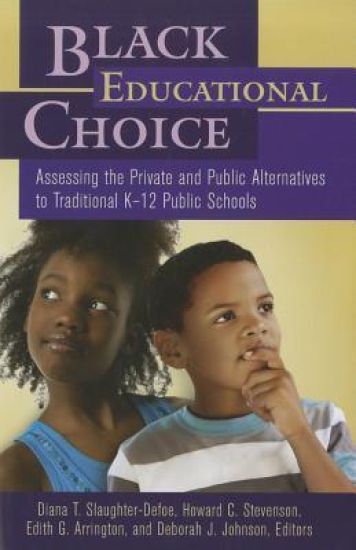
Black Educational Choice

Black Educational Choice

James A. Banks

Praeger Publishers Inc
2011
sidottu
This important book provides African American parents with the knowledge to diversify K–12 school choices beyond traditional neighborhood public schools in order to optimize the educational chances of their own children, and it will help educators and policymakers to close the black-white academic achievement gap throughout America. Closing the K–12 achievement gap is critical to the future welfare of African American individuals, families, and communities—and to the future of our nation as a whole. The black-white academic achievement gap—the significant statistical difference in academic performance between African American students and their white peers—is the single greatest impediment to achieving racial equality and social justice in America. Black Educational Choice provides parents, citizens, educators, and policymakers the critical knowledge they need to leverage the national trend toward increasing and diversifying K–12 school choice beyond traditional neighborhood public schools. Parents can use this information to optimize the success of their own African American children, while policymakers and educators can apply these insights to help close the black-white academic achievement gap throughout America. The book collects the interdisciplinary, multi-racial, and multi-ethnic perspectives of education experts to address the questions of millions of anxious African American families: "Would sending our children to a private school or a charter school significantly better their chances of closing the achievement gap and becoming successful individuals? And if so, what kinds of challenges would they likely experience in these alternative educational settings?"
Educating Citizens in a Multicultural Society

Educating Citizens in a Multicultural Society

James A. Banks

Teachers' College Press
2007
nidottu
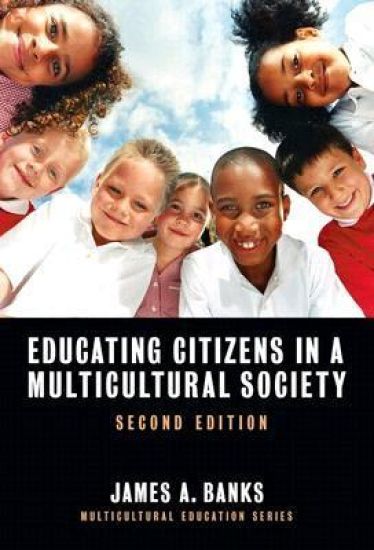
In this second edition of Educating Citizens in a Multicultural Society - which includes three new chapters - Banks argues that an effective citizenship education helps students to acquire the knowledge, skills, and values needed to function effectively within their cultural communities, nation states, regions, and the global community. It also helps students to acquire cosmopolitan perspectives and values needed to attain equality and social justice for people around the world. In the new chapters, Banks draws heavily upon his recent work which focuses on how students in multicultural nations around the world can be educated in ways that will help them to develop the knowledge, attitudes, and values needed to make decisions and to take action to create a more just and humane world.
Race, Culture, and Education

Race, Culture, and Education

James A. Banks

Routledge
2006
sidottu
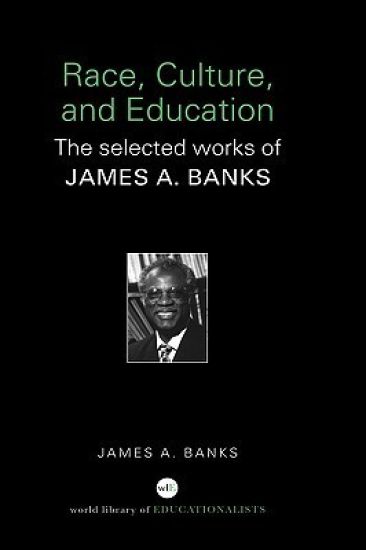
Considered the father of multicultural education in the US and known throughout the world as one of the field’s most important founder, theorist and researcher, James A. Banks has collected here twenty-one of his most important and best works from across the span of his career. Drawing out the major themes that have shaped the field of multicultural education as well as outlining the development of Banks’ own career, these articles, chapters and papers focus on eight key issues:black studies and the teaching of history research and research issues teaching ethnic studies teaching social studies for decision-making and citizen actionmultiethnic education and school reformmulticultural education and knowledge constructionthe global dimensions of multicultural educationdemocracy, diversity and citizenship education. The last part of the book consists of a selected bibliography of all Banks’ publications over his forty-year career, as a source of further reading on each of these pivotal ideas.
Race, Culture, and Education

Race, Culture, and Education

James A. Banks

Routledge
2006
nidottu
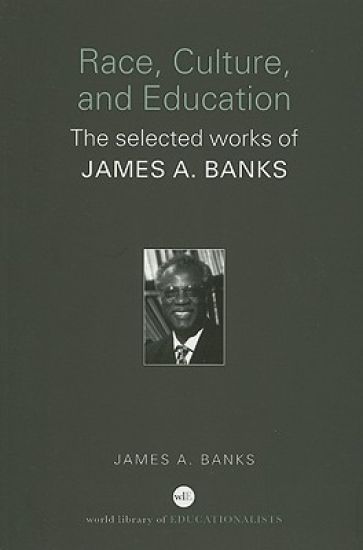
Considered the father of multicultural education in the US and known throughout the world as one of the field’s most important founder, theorist and researcher, James A. Banks has collected here twenty-one of his most important and best works from across the span of his career. Drawing out the major themes that have shaped the field of multicultural education as well as outlining the development of Banks’ own career, these articles, chapters and papers focus on eight key issues:black studies and the teaching of history research and research issues teaching ethnic studies teaching social studies for decision-making and citizen actionmultiethnic education and school reformmulticultural education and knowledge constructionthe global dimensions of multicultural educationdemocracy, diversity and citizenship education. The last part of the book consists of a selected bibliography of all Banks’ publications over his forty-year career, as a source of further reading on each of these pivotal ideas.
Handbook of Research on Multicultural Education

Handbook of Research on Multicultural Education

James A. Banks; Cherry A. McGee Banks

Jossey-Bass Inc.,U.S.
2003
sidottu
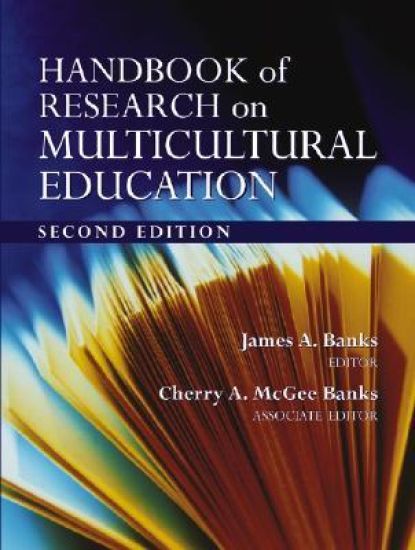
In this second edition, twenty-nine classic chapters have been revised and updated and twenty new chapters have been added to reflect how the field has evolved since the first edition of the Handbook was published in 1995. This landmark volume describes and analyzes changes such as increased immigration to the United States and new developments in theory and research related to race, culture, ethnicity, and language. It addresses new issues such as findings on the increase in the number of interracial children and the characteristics of children of immigrant families. The educational implications of new research and trends are also discussed. The Handbook's forty-nine chapters are divided into twelve parts that clarify the meaning and boundaries of multicultural education. Topics covered include trends and developments, ethnic groups in historical and social science research, language issues, academic achievement, higher education, and international perspectives on multicultural education. The volume also offers comprehensive and balanced analyses of key controversies and debates in the field.