
Kirjailija
James Anderson
Kirjat ja teokset yhdessä paikassa: 172 kirjaa, julkaisuja vuosilta 1975–2026, suosituimpiin kuuluu Five Letters to Sir Joseph Banks Baronet ... on the Subject of Cochineal Insects, Discovered at Madras, by James Anderson M.D. Also an Engraving of the Opuntia Major Spinulis Obtusus Mollibus, .... Vertaile teosten hintoja ja tarkista saatavuus suomalaisista kirjakaupoista.
172 kirjaa
Kirjojen julkaisuvuodet: 1975–2026.
Essays Relating to Agriculture and Rural Affairs. ... the Third Edition, with Large Additions. by James Anderson, ... Volume 2 of 2
James Anderson
Gale Ecco, Print Editions
2010
pokkari
Essays. Relating to Agriculture and Rural Affairs. by James Anderson, ... Volume Third.
James Anderson
Gale Ecco, Print Editions
2010
pokkari

Observations On The Means Of Exciting A Spirit Of National Industry
James Anderson
KESSINGER PUBLISHING, LLC
2010
sidottu

Letters For The Culture Of Bastard Cedar Trees On The Coast Of Coromandel (1794)
James Anderson
KESSINGER PUBLISHING, LLC
2010
sidottu
Miscellaneous Communications Of James Anderson, M.D. (1795)
James Anderson
KESSINGER PUBLISHING, LLC
2010
sidottu

Recreations In Agriculture, Natural History, Arts, And Miscellaneous Literature V3 (1800)
James Anderson
KESSINGER PUBLISHING, LLC
2010
pokkari
Observations On The Means Of Exciting A Spirit Of National Industry
James Anderson
KESSINGER PUBLISHING, LLC
2009
pokkari
An Account of the Present State of the Hebrides and Western Coasts of Scotland
James Anderson
Kessinger Pub
2009
pokkari
Letters For The Culture Of Bastard Cedar Trees On The Coast Of Coromandel
James Anderson
Kessinger Pub
2008
pokkari

The Ladies Of The Covenant: Memoirs Of Distinguished Scottish Female Characters
James Anderson
KESSINGER PUBLISHING, LLC
2007
sidottu

120 pages - A novice cruising yachtsman, fired with a spirit adventure takes his family from England on a yacht through the inland river canals of France, to the Mediterranean Sea and Barcelona of Spain. A funny, light-hearted story that the author recounts with a dry wit and a somewhat deprecating view of himself as the skipper.
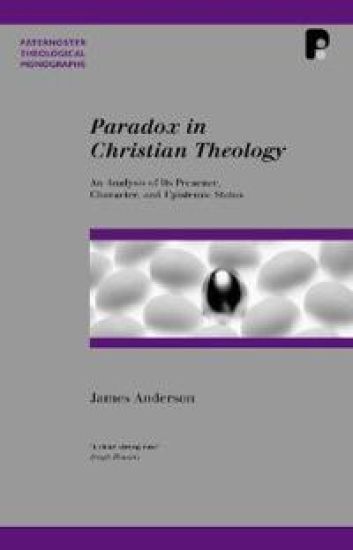
The case presented in this book has significant implications for the practice of systematic theology, biblical exegesis, and Christian apologetics. Does traditional Christianity involve paradoxical doctrines doctrines that present the appearance (at least) of logical inconsistency? what is the nature of these paradoxes and why do they arise? What is the relationship between "paradox" and "mystery" in theological theorizing? And what are the implications for the rationality, or otherwise, of orthodox Christian beliefs? In Paradox in Christian Theology, James Anderson argues that the doctrines of the Trinity and the incarnation, as derived from Scripture and formulated in the ecumenical creeds, are indeed paradoxical. But this conclusion, he contends, need not imply that Christians who believe these doctrines are irrational in doing so. In support of this claim, Anderson develops and defends a model of understanding paradoxical Christian doctrines according to which the presence of such doctrines is unsurprising and adherence to paradoxical doctrines cannot be considered as a serious intellectual obstacle to belief in Christianity.
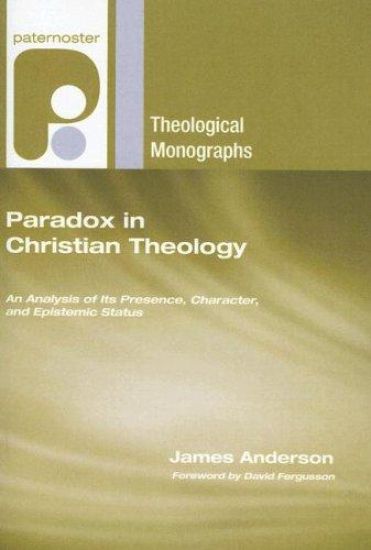
Does traditional Christianity involve paradoxical doctrines, that is, doctrines that present the appearance (at least) of logical inconsistency? If so, what is the nature of these paradoxes and why do they arise? What is the relationship between "paradox" and "mystery" in theological theorizing? And what are the implications for the rationality, or otherwise, of orthodox Christian beliefs? In Paradox in Christian Theology, James Anderson argues that the doctrines of the Trinity and the incarnation, as derived from Scripture and formulated in the ecumenical creeds, are indeed paradoxical. But this conclusion, he contends, need not imply that Christians who believe these doctrines are irrational in doing so. In support of this claim, Anderson develops and defends a model of understanding paradoxical Christian doctrines according to which the presence of such doctrines is unsurprising and adherence to paradoxical doctrines cannot be considered as a serious intellectual obstacle to belief in Christianity. The case presented in this book has significant implications for the practice of systematic theology, biblical exegesis, and Christian apologetics.

Does traditional Christianity involve paradoxical doctrines, that is, doctrines that present the appearance (at least) of logical inconsistency? If so, what is the nature of these paradoxes and why do they arise? What is the relationship between "paradox" and "mystery" in theological theorizing? And what are the implications for the rationality, or otherwise, of orthodox Christian beliefs? In Paradox in Christian Theology, James Anderson argues that the doctrines of the Trinity and the incarnation, as derived from Scripture and formulated in the ecumenical creeds, are indeed paradoxical. But this conclusion, he contends, need not imply that Christians who believe these doctrines are irrational in doing so. In support of this claim, Anderson develops and defends a model of understanding paradoxical Christian doctrines according to which the presence of such doctrines is unsurprising and adherence to paradoxical doctrines cannot be considered as a serious intellectual obstacle to belief in Christianity. The case presented in this book has significant implications for the practice of systematic theology, biblical exegesis, and Christian apologetics.