

Kirjailija
James Brennan
Kirjat ja teokset yhdessä paikassa: 10 kirjaa, julkaisuja vuosilta 2003–2025, suosituimpiin kuuluu The Watchfire. Vertaile teosten hintoja ja tarkista saatavuus suomalaisista kirjakaupoista.
10 kirjaa
Kirjojen julkaisuvuodet: 2003–2025.

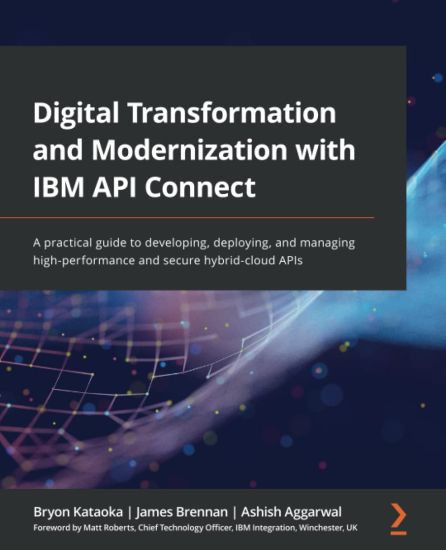
Digital Transformation and Modernization with IBM API Connect
Bryon Kataoka; James Brennan; Ashish Aggarwal; Matt Roberts
PACKT PUBLISHING LIMITED
2022
nidottu
Successfully execute a strategic roadmap of digital transformation and modernize your enterprise with a proven API-led agile implementation approach by unlocking the full range of features in IBM API Connect Version 10Key FeaturesExplore techniques to design and deliver valuable customer-centric APIs using API ConnectManage your APIs with improved security and optimal performance across many channelsUncover hidden capabilities that help improve business agility and management within your API ecosystemBook DescriptionIBM API Connect enables organizations to drive digital innovation using its scalable and robust API management capabilities across multi-cloud and hybrid environments. With API Connect's security, flexibility, and high performance, you'll be able to meet the needs of your enterprise and clients by extending your API footprint. This book provides a complete roadmap to create, manage, govern, and publish your APIs. You'll start by learning about API Connect components, such as API managers, developer portals, gateways, and analytics subsystems, as well as the management capabilities provided by CLI commands. You'll then develop APIs using OpenAPI and discover how you can enhance them with logic policies. The book shows you how to modernize SOAP and FHIR REST services as secure APIs with authentication, OAuth2/OpenID, and JWT, and demonstrates how API Connect provides safeguards for GraphQL APIs as well as published APIs that are easy to discover and well documented. As you advance, the book guides you in generating unit tests that supplement DevOps pipelines using Git and Jenkins for improved agility, and concludes with best practices for implementing API governance and customizing API Connect components. By the end of this book, you'll have learned how to transform your business by speeding up the time-to-market of your products and increase the ROI for your enterprise. What you will learnUse API Connect to create, manage, and publish customer-centric, API-led solutionsRun CLI commands to manage API configuration and deploymentsCreate REST, SOAP, and GraphQL APIs securely using OpenAPISupport OAuth and JWT security methods using policiesCreate custom policies to supplement securityApply built-in policies to transform payloadsUse CLIs and unit testing hooks within DevOps pipelinesFind out how to customize Analytics dashboards and Portal User InterfaceWho this book is forThis book is for developers and architects who want to achieve digital transformation using IBM API Connect and successfully execute the strategic roadmap of enterprise modernization while effectively managing their API ecosystem. A solid understanding of what RESTful services and APIs can do and where to implement API security is necessary to get started. Experience in application development and basic knowledge of microservices, container orchestration, and cloud environments will help you to get the most out of this book.





This book offers healthcare professionals, academics and anyone affected by cancer a fresh and original approach to the supportive care of people with cancer. It looks at the underlying reasons why cancer so often leads to high levels of distress and, more importantly, it suggests many practical ways distress can be minimised and prevented. The actual experiences of cancer patients, as recorded in their personal diaries, are combined with theory, research and practical clinical advice. In each of its seven chapters Cancer in Context takes a different perspective towards supportive care in cancer. It begins by considering how people in general manage and adjust to massive changes in their lives and, in particular, how they react to the threat of cancer. It goes on to examine the "lived experience" of people with cancer as they negotiate the many changes and challenges that follow their diagnosis. Of course cancer doesn't only affect the person who has the disease, it also impacts on families, partners and carers. One chapter explores these and other issues, such as sexual difficulties, the needs of older people, single people, and gay and lesbian couples. Chapter 4 shows that the social and cultural context of a person's life is critical to understanding their resources, the way the are treated, and the responses the make to serious illness. However, it is in the clinical context that professionals have an opportunity to minimise disruption to their patients' quality of life as they endure the notorious demands of oncology treatments. The book offers practical clinical advice on psychosocial aspects of conventional cancer treatments, common treatment difficulties, cancer rehabilitation and palliative care. Chapter 6 provides a summary of the burgeoning area of information and communication skills within healthcare and, finally, the book ends by considering how doctors, nurses, radiographers and other healthcare professionals can maintain their supportive care in light of such high levels of stress and burnout among these staff groups.
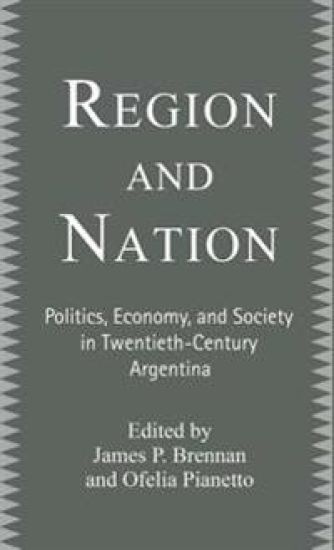
The study of twentieth-century Argentine history is undergoing a radical transformation. Both Argentine and U. S. historians of Argentina are recasting the great debates in the historiography by challenging the Buenos Aires-centered focus of most of the existing historical scholarship and offering a new perspective on the country's modern history. Argentina's supposed 'exceptionalism' is being challenged by these historians. The persistence of political clientilism and oligarchic rule, enclave economies and pre-capitalist social relations, the role of traditional institutions such as the Church and family, intense class conflict and working class militancy, all approximate Argentina closer to the Latin American experience than the previous historiography would suggest. This book is a unique collaboration between Argentine and U. S. historians of this 'other Argentina.'

The study of twentieth-century Argentine history is undergoing a radical transformation. Both Argentine and U. S. historians of Argentina are recasting the great debates in the historiography by challenging the Buenos Aires-centered focus of most of the existing historical scholarship and offering a new perspective on the country's modern history. Argentina's supposed 'exceptionalism' is being challenged by these historians. The persistence of political clientilism and oligarchic rule, enclave economies and pre-capitalist social relations, the role of traditional institutions such as the Church and family, intense class conflict and working class militancy, all approximate Argentina closer to the Latin American experience than the previous historiography would suggest. This book is a unique collaboration between Argentine and U. S. historians of this 'other Argentina.'