Kirjojen hintavertailu – 12 903 725 kirjaa ja 27 kauppaa

Kirjailija

James D. Campbell

Kirjat ja teokset yhdessä paikassa: 6 kirjaa, julkaisuja vuosilta 1995–2017, suosituimpiin kuuluu Campbell, J: Thought from Outside. Vertaile teosten hintoja ja tarkista saatavuus suomalaisista kirjakaupoista.

6 kirjaa

Kirjojen julkaisuvuodet: 1995–2017.

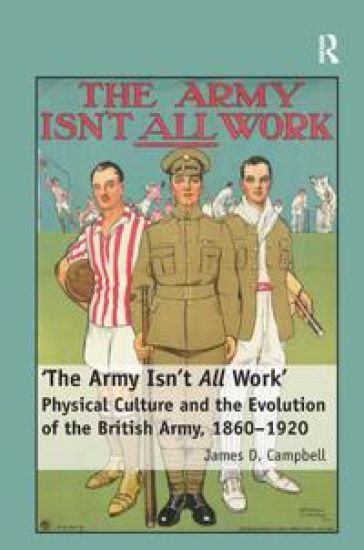
'The Army Isn't All Work'

'The Army Isn't All Work'

James D. Campbell

Routledge
2017
nidottu

Halvin toimitettuna 91,50 €

Between the Crimean War and the end of the First World War the British Army underwent a dramatic change from being an anachronistic and frequently ineffective organization to being perhaps the most professional and highly trained army in the world. Historians have tended to view that transformation through the successive political reform efforts of those years, but have largely overlooked the ways in which the Army transformed itself from within. This change was effected through the modernization of training, operational and leadership doctrines. The adoption of formal physical training and organized games played a central part in this process. With its origins in elite public schools and upper-class country homes, the Army's philosophy of Athleticism was a part of the ethos of 'muscular Christianity' widely held in contemporary British institutions. Under the potent influence of this philosophy, military sport went from a means of keeping soldiers from drink and the officers from duty, to an institutionalized form of combat training. This book documents the origins and development of formal physical training in the late Victorian Army and the ways in which the Army's gymnastic training evolved into a vital building block of the process of turning a civilian into a fighting man. It also assesses the nature and extent of British military sport, particularly regimental sports, during this period of evolution for the Army. Through an investigation of the Army's physical culture during this dynamic period, one can gain an understanding of not only how the Army's change from within occurred, but also of some of the important links between the Army and its parent society.

"Making Riflemen from Mud": Restoring the Army's Culture of Irregular Warfare

"Making Riflemen from Mud": Restoring the Army's Culture of Irregular Warfare

Strategic Studies Institute; James D. Campbell

Lulu.com
2014
nidottu
Prior to World War II, the Army had a deeply ingrained facility with and acceptance of what we now term unconventional warfare-raising, training, advising, and cooperating with tribal militias, local paramilitaries, and other nonstate armed groups. This culture of irregular warfare was attributable to nearly 300 years of American military tradition from the colonial period until 1941, including extensive experience in cooperating with Native American tribes and individual scouts during the expansion of the western frontier. These traditions of unconventional war reached maturity in the years of fighting on the western plains after the Civil War, and were given ultimate expression in the creation of the Philippine Scouts at the beginning of the 20th century. Since World War II, the wider military has lost this expertise in and comfortable familiarity with unconventional operations, with the Special Operations community taking on the sole proprietorship of this role.
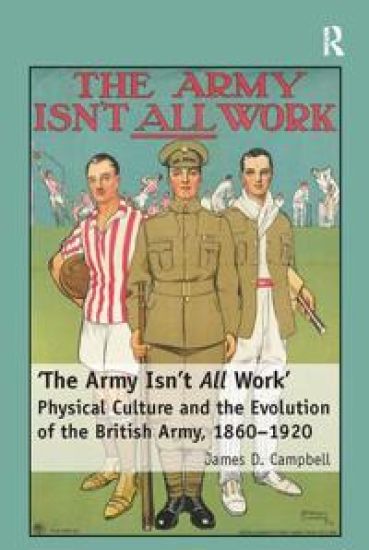
'The Army Isn't All Work'

'The Army Isn't All Work'

James D. Campbell

Ashgate Publishing Limited
2012
sidottu
Between the Crimean War and the end of the First World War the British Army underwent a dramatic change from being an anachronistic and frequently ineffective organization to being perhaps the most professional and highly trained army in the world. Historians have tended to view that transformation through the successive political reform efforts of those years, but have largely overlooked the ways in which the Army transformed itself from within. This change was effected through the modernization of training, operational and leadership doctrines. The adoption of formal physical training and organized games played a central part in this process. With its origins in elite public schools and upper-class country homes, the Army's philosophy of Athleticism was a part of the ethos of 'muscular Christianity' widely held in contemporary British institutions. Under the potent influence of this philosophy, military sport went from a means of keeping soldiers from drink and the officers from duty, to an institutionalized form of combat training. This book documents the origins and development of formal physical training in the late Victorian Army and the ways in which the Army's gymnastic training evolved into a vital building block of the process of turning a civilian into a fighting man. It also assesses the nature and extent of British military sport, particularly regimental sports, during this period of evolution for the Army. Through an investigation of the Army's physical culture during this dynamic period, one can gain an understanding of not only how the Army's change from within occurred, but also of some of the important links between the Army and its parent society.