Kirjojen hintavertailu – 12 859 819 kirjaa ja 27 kauppaa

Kirjailija

James D. Le Sueur

Kirjat ja teokset yhdessä paikassa: 4 kirjaa, julkaisuja vuosilta 2001–2010, suosituimpiin kuuluu Algeria since 1989. Vertaile teosten hintoja ja tarkista saatavuus suomalaisista kirjakaupoista.

4 kirjaa

Kirjojen julkaisuvuodet: 2001–2010.

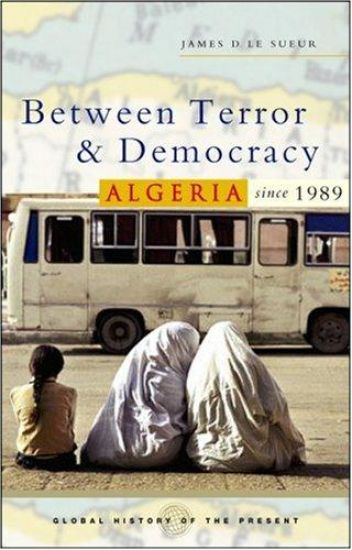
Algeria since 1989

Algeria since 1989

James D. Le Sueur

Zed Books Ltd
2010
nidottu
Algeria's democratic experiment is seminal in post-Cold War history. The first Muslim nation to attempt the transition from an authoritarian system to democratic pluralism, this North African country became a test case for reform in Africa, the Arab world and beyond. Yet when the country looked certain to become the world's first elected Islamic republic, there was a military coup and the democratic process was brought sharply to a halt. Islamists declared jihad on the state and hundreds of thousands of civilians were killed in the ensuing decade of state repression. Le Sueur shows that Algeria is at the very heart of contemporary debates about Islam and secular democracy, arguing that the stability of Algeria is crucial for the security of the wider Middle East. Algeria Since 1989 is a lively and essential examination of how the fate of one country is entwined with much greater global issues.
Algeria since 1989

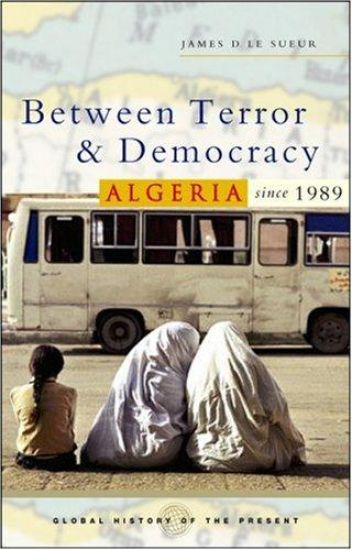
Algeria since 1989

James D. Le Sueur

Zed Books Ltd
2010
sidottu
Algeria's democratic experiment is seminal in post-Cold War history. The first Muslim nation to attempt the transition from an authoritarian system to democratic pluralism, this North African country became a test case for reform in Africa, the Arab world and beyond. Yet when the country looked certain to become the world's first elected Islamic republic, there was a military coup and the democratic process was brought sharply to a halt. Islamists declared jihad on the state and hundreds of thousands of civilians were killed in the ensuing decade of state repression. Le Sueur shows that Algeria is at the very heart of contemporary debates about Islam and secular democracy, arguing that the stability of Algeria is crucial for the security of the wider Middle East. Algeria Since 1989 is a lively and essential examination of how the fate of one country is entwined with much greater global issues.

Uncivil War

Uncivil War

James D. Le Sueur; Pierre Bourdieu

University of Nebraska Press
2006
pokkari
Uncivil War is a provocative study of the intellectuals who confronted the loss of France’s most prized overseas possession: colonial Algeria. Tracing the intellectual history of one of the most violent and pivotal wars of European decolonization, James D. Le Sueur illustrates how key figures such as Albert Camus, Jean-Paul Sartre, Simone de Beauvoir, Germaine Tillion, Jacques Soustelle, Raymond Aron, Claude Lévi-Strauss, Albert Memmi, Frantz Fanon, Mouloud Feraoun, Jean Amrouche, and Pierre Bourdieu agonized over the “Algerian question.” As Le Sueur argues, these individuals and others forged new notions of the nation and nationalism, giving rise to a politics of identity that continues to influence debate around the world. This edition features an important new chapter on the intellectual responses to the recent torture debates in France, the civil war in Algeria, and terrorism since September 11.
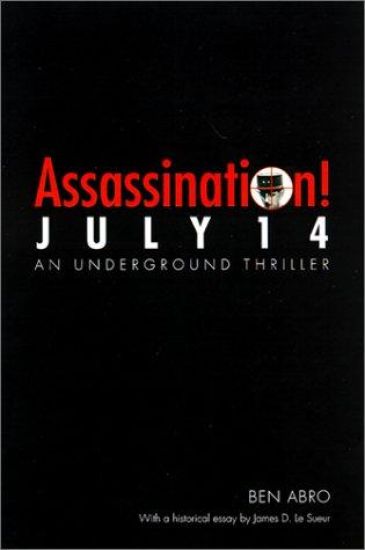
Assassination! July 14

Assassination! July 14

Ben Abro; James D. Le Sueur

Bison Books
2001
pokkari
July 14. One of Europe's most sinister terrorist organizations hatches a brilliant plan to assassinate the feared and powerful leader of France, President Charles de Gaulle. Max Palk, an extraordinarily talented British secret agent, is summoned to Paris to hunt down the assassins before it is too late. Ensnared in a terrifying web of doublecross and death, Palk races against the clock to outmaneuver, outshoot, and outthink his increasingly desperate foes. A decade before The Day of the Jackal appeared, Ben Abro's Assassination! July 14 became an international sensation, thanks to its sizzling plot, an ingenious, intellectual hero, and a realistic depiction of France's volatile political scene in the 1960s. In fact, the novel proved too real, provoking outrage and a lawsuit that shut down its publication. For the first time in decades, this gripping, underground thriller is again widely available. The equally riveting story behind the novel and the controversy it spawned are carefully explained in an informative essay by James D. Le Sueur. Drawing upon interviews with the authors, court transcripts, and recent evidence and scholarship, Le Sueur examines how an item of popular culture could have had such national and international repercussions.