Kirjojen hintavertailu – 12 903 735 kirjaa ja 27 kauppaa

Kirjailija

James E. Kelly

Kirjat ja teokset yhdessä paikassa: 8 kirjaa, julkaisuja vuosilta 2013–2025, suosituimpiin kuuluu The Catholic Reformation. Vertaile teosten hintoja ja tarkista saatavuus suomalaisista kirjakaupoista.

Nimi esiintyy myös muodoissa: James E Kelly

8 kirjaa

Kirjojen julkaisuvuodet: 2013–2025.

The Catholic Reformation

The Catholic Reformation

James E. Kelly

Oxford University Press
2025
nidottu

Halvin toimitettuna 18,90 €

Very Short Introductions: Brilliant, Sharp, Inspiring The Catholic Reformation: A Very Short Introduction traces the Catholic Reformation from its beginnings in the first half of the sixteenth century, through the years of unrest in Europe, to its global expansion in the Americas, Asia, and Africa, and its continued influence and legacy into the twentieth century. As well as spiritual and religious matters, and how they entwined with the political, James E. Kelly covers the full gamut of experience of what is also known as the Counter-Reformation, particularly its deliberately sensory approach in terms of art, architecture, and music. Combining broad overviews and focused examples, Kelly offers a concise, provocative introduction to a global movement. ABOUT THE SERIES: The Very Short Introductions series from Oxford University Press contains hundreds of titles in almost every subject area. These pocket-sized books are the perfect way to get ahead in a new subject quickly. Our expert authors combine facts, analysis, perspective, new ideas, and enthusiasm to make interesting and challenging topics highly readable.
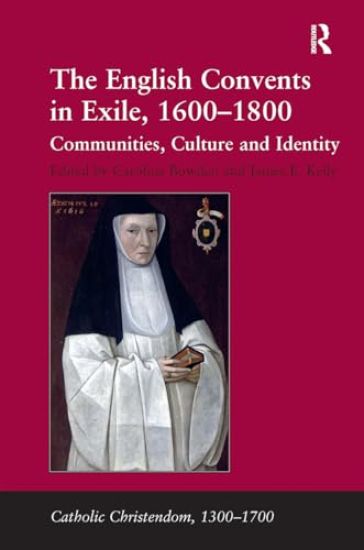
The English Convents in Exile, 1600–1800

The English Convents in Exile, 1600–1800

James E. Kelly

TAYLOR FRANCIS LTD
2024
nidottu
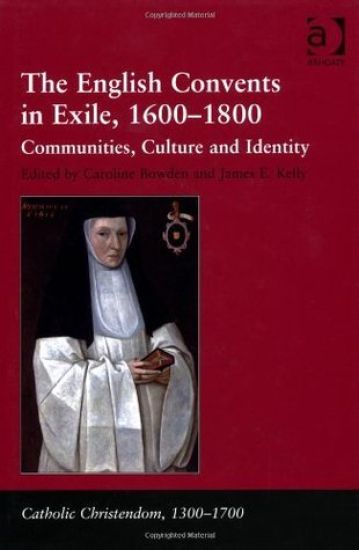
In 1598, the first English convent was established in Brussels and was to be followed by a further 21 enclosed convents across Flanders and France with more than 4,000 women entering them over a 200-year period. In theory they were cut off from the outside world; however, in practice the nuns were not isolated and their contacts and networks spread widely, and their communal culture was sophisticated. Not only were the nuns influenced by continental intellectual culture but they in turn contributed to a developing English Catholic identity moulded by their experience in exile. During this time, these nuns and the Mary Ward sisters found outlets for female expression often unavailable to their secular counterparts, until the French Revolution and its associated violence forced the convents back to England. This interdisciplinary collection demonstrates the cultural importance of the English convents in exile from 1600 to 1800 and is the first collection to focus solely on the English convents.
English Convents in Catholic Europe, c.1600–1800

English Convents in Catholic Europe, c.1600–1800

James E. Kelly

Cambridge University Press
2023
pokkari
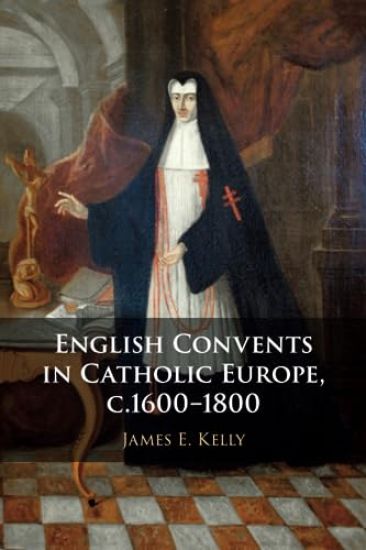
In 1598, the first English convent to be founded since the dissolution of the monasteries was established in Brussels, followed by a further twenty-one foundations, which all self-identified as English institutions in Catholic Europe. Around four thousand women entered these religious houses over the following two centuries. This book highlights the significance of the English convents as part of, and contributors to, national and European Catholic culture. Covering the whole exile period and making extensive use of rarely consulted archive material, James E. Kelly situates the English Catholic experience within the wider context of the Catholic Reformation and Catholic Europe. He thus transforms our understanding of the convents, stressing that they were not isolated but were, in fact, an integral part of the transnational Church which transcended national boundaries. The original and immersive structure takes the reader through the experience of being a nun, from entry into the convent, to day-to-day life in enclosure, how the enterprise was funded, as well as their wider place within the Catholic world.
English Convents in Catholic Europe, c.1600–1800

English Convents in Catholic Europe, c.1600–1800

James E. Kelly

Cambridge University Press
2020
sidottu
In 1598, the first English convent to be founded since the dissolution of the monasteries was established in Brussels, followed by a further twenty-one foundations, which all self-identified as English institutions in Catholic Europe. Around four thousand women entered these religious houses over the following two centuries. This book highlights the significance of the English convents as part of, and contributors to, national and European Catholic culture. Covering the whole exile period and making extensive use of rarely consulted archive material, James E. Kelly situates the English Catholic experience within the wider context of the Catholic Reformation and Catholic Europe. He thus transforms our understanding of the convents, stressing that they were not isolated but were, in fact, an integral part of the transnational Church which transcended national boundaries. The original and immersive structure takes the reader through the experience of being a nun, from entry into the convent, to day-to-day life in enclosure, how the enterprise was funded, as well as their wider place within the Catholic world.
The English Convents in Exile, 1600–1800

The English Convents in Exile, 1600–1800

James E. Kelly

Ashgate Publishing Limited
2013
sidottu
In 1598, the first English convent was established in Brussels and was to be followed by a further 21 enclosed convents across Flanders and France with more than 4,000 women entering them over a 200-year period. In theory they were cut off from the outside world; however, in practice the nuns were not isolated and their contacts and networks spread widely, and their communal culture was sophisticated. Not only were the nuns influenced by continental intellectual culture but they in turn contributed to a developing English Catholic identity moulded by their experience in exile. During this time, these nuns and the Mary Ward sisters found outlets for female expression often unavailable to their secular counterparts, until the French Revolution and its associated violence forced the convents back to England. This interdisciplinary collection demonstrates the cultural importance of the English convents in exile from 1600 to 1800 and is the first collection to focus solely on the English convents.
English Convents in Exile, 1600-1800, Part II, vol 6

English Convents in Exile, 1600-1800, Part II, vol 6

Caroline Bowden; Katrien Daemen-de Gelder; James E Kelly; Richard G Williams; Carmen M Mangion; Michael Questier; Emma Major

Routledge
2013
sidottu
Between 1600 and 1800 around 4,000 Catholic women left England for a life of exile in the convents of France, Flanders, Portugal and America. These closed communities offered religious contemplation and safety, but also provided an environment of concentrated female intellectualism. The nuns’ writings from this time form a unique resource.
English Convents in Exile, 1600–1800, Part II, vol 5

English Convents in Exile, 1600–1800, Part II, vol 5

Caroline Bowden; Katrien Daemen-de Gelder; James E Kelly; Richard G Williams; Carmen M Mangion; Michael Questier; Emma Major

Routledge
2013
sidottu
Between 1600 and 1800 around 4,000 Catholic women left England for a life of exile in the convents of France, Flanders, Portugal and America. These closed communities offered religious contemplation and safety, but also provided an environment of concentrated female intellectualism. The nuns’ writings from this time form a unique resource.
English Convents in Exile, 1600-1800, Part II, vol 4

English Convents in Exile, 1600-1800, Part II, vol 4

Caroline Bowden; Katrien Daemen-de Gelder; James E Kelly; Richard G Williams; Carmen M Mangion; Michael Questier; Emma Major

Routledge
2013
sidottu
Between 1600 and 1800 around 4,000 Catholic women left England for a life of exile in the convents of France, Flanders, Portugal and America. These closed communities offered religious contemplation and safety, but also provided an environment of concentrated female intellectualism. The nuns’ writings from this time form a unique resource.