
Kirjojen hintavertailu – 12 903 725 kirjaa ja 27 kauppaa

Kirjailija

James Fairclough

Kirjat ja teokset yhdessä paikassa: 2 kirjaa, julkaisuja vuosilta 2021–2024, suosituimpiin kuuluu Archaeological Excavations at Little Paxton Quarry Huntingdonshire, Cambridgeshire. Vertaile teosten hintoja ja tarkista saatavuus suomalaisista kirjakaupoista.

2 kirjaa

Kirjojen julkaisuvuodet: 2021–2024.

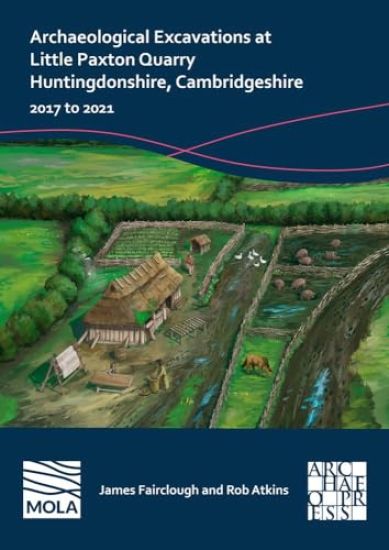
Archaeological Excavations at Little Paxton Quarry Huntingdonshire, Cambridgeshire
Archaeological excavations at Little Paxton Quarry, Huntingdonshire, Cambridgeshire were undertaken by MOLA between 2017 to 2021 and these were located near to both the River Great Ouse and the A1 (Great North Road). Small quantities of pitting occurred in both the early and late Neolithic periods, followed by a single cremation deposit that dated to the early Bronze Age and a moderate sized middle Bronze Age cremation cemetery with 12 cremations deposits, one of which was urned. Two parallel late Bronze Age to early Iron Age pit alignments were recorded. Permanent occupation took place from the middle Iron Age period, with two settlements located 0.5km apart. One of these settlements continued into the middle Roman period. Post-Roman evidence included two graves that formed part of a Saxon early medieval cemetery excavated in 2016 by Phoenix Consulting. In the medieval period the southern extent of the DMV Boughton settlement was found and these previously unknown remains were directly beyond the southern extent of the core of the hamlet, which is a Scheduled Monument. In the excavation this part of the hamlet dated from the 11th to at least the 14th century and comprised fields, paddocks and connecting routeways as well as a small area of possible domestic occupation.
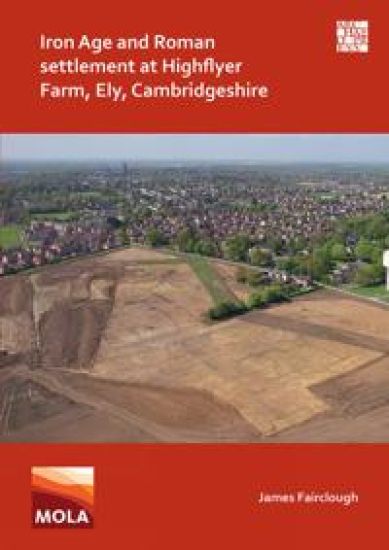
Iron Age and Roman Settlement at Highflyer Farm, Ely, Cambridgeshire
Iron Age and Roman settlement at Highflyer Farm, Ely, Cambridgeshire presents the results of archaeological work carried out by MOLA (Museum of London Archaeology) at Highflyer Farm in 2018. Remains dating from the Neolithic to the post-medieval period were recorded, with most of the activity occurring between the early Iron Age and late Roman periods. Excavations in 2000 at Prickwillow Road, undertaken directly to the south of Highflyer Farm, had recorded the southern extent of this Iron Age to Roman settlement. Two features, a pit and a posthole, were dated to the late Neolithic to early Bronze Age. In the 5th to 4th centuries BC a small open early Iron Age settlement was established and was at the lower end of the settlement hierarchy, perhaps occupied by a single family or a seasonal group. In the middle Iron Age, there was a well-planned linear settlement split into three main sections, which consisted of a similar large rounded enclosure at its northern and southern extent, both probably domestic. A complex sub-rectangular arrangement of enclosures and boundaries lay within the centre, a roughly equal distance apart from the circular enclosures. In the late Iron Age and then the early Roman periods, a significant reorganisation of the site occurred with successive enclosures and rectilinear field systems established. In the middle Roman period, the settlement was reorganised around three routeways with two distinct areas of linked paddocks and compartmentalised enclosures. There were three probable different separate areas of domestic activity, including a rectangular posthole structure centrally located in the main enclosure system. It is possible that there was significant export and trade of livestock occurring from this relatively wealthy settlement with cattle dominating. The routeway system continued into the later Roman period though the number of enclosures reduced. On balance, it is more likely the Roman settlement finished in the late 4th century, but an early 5th-century date should not be ruled out. Post-Roman activity was sparser, with a single sunken feature building identified as well as a waterhole and a few other features dated to the 5th and/or 6th century. Includes contributions by Sander Aerts, Rob Atkins, Paul Blinkhorn, Andy Chapman, Chris Chinnock, Nina Crummy, Mary Ellen Crothers, Rebecca Gordon, Tora Hylton, Sarah Percival, Adam Sutton and Yvonne Wolframm-Murray. Illustrations by Sofia Turk.