

Kirjailija
James George Frazer
Kirjat ja teokset yhdessä paikassa: 261 kirjaa, julkaisuja vuosilta 1997–2026, suosituimpiin kuuluu The Golden Bough. Vertaile teosten hintoja ja tarkista saatavuus suomalaisista kirjakaupoista.
261 kirjaa
Kirjojen julkaisuvuodet: 1997–2026.



The Golden Bough Vol I: A Study of Magic and Religion
James George Frazer
Createspace Independent Publishing Platform
2012
nidottu

The Golden Bough Vol II: A Study of Magic and Religion
James George Frazer
Createspace Independent Publishing Platform
2012
nidottu
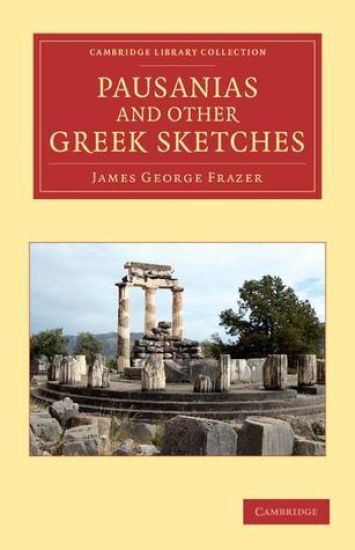
Sir James Frazer (1854–1941) is best remembered for his monumental study of ancient religion, The Golden Bough (of which the first and third editions are both reissued in this series). He also produced a translation of and commentary on the Description of Greece of Pausanias, the second-century CE traveller and antiquarian, and the first piece in this 1900 compilation of Frazer's 'sketches' is the introductory essay to that work. Short descriptions then follow of the present-day appearance of over ninety places visited by Pausanias, and the work ends with an essay on Pericles and the effect of the period of his rule on the art and architecture of Athens. This fascinating work is imbued with Frazer's enthusiasm for, and knowledge of, the topography of ancient Greece, and will be of interest not only to scholars but also to visitors to the country.
This work by Sir James Frazer (1854–1941) is widely considered to be one of the most important early texts in the fields of psychology and anthropology. At the same time, by applying modern methods of comparative ethnography to the classical world, and revealing the superstition and irrationality beneath the surface of the classical culture which had for so long been a model for Western civilisation, it was extremely controversial. Frazer was greatly influenced by E. B. Tylor's Primitive Culture (also reissued in this series), and by the work of the biblical scholar William Robertson Smith, to whom the first edition is dedicated. The twelve-volume third edition, reissued here, was greatly revised and enlarged, and published between 1911 and 1915; the two-volume first edition (1890) is also available in this series. Volume 5 (1914) considers the oriental roots of the Greek myths of Adonis and Attis.

This work by Sir James Frazer (1854–1941) is widely considered to be one of the most important early texts in the fields of psychology and anthropology. At the same time, by applying modern methods of comparative ethnography to the classical world, and revealing the superstition and irrationality beneath the surface of the classical culture which had for so long been a model for Western civilisation, it was extremely controversial. Frazer was greatly influenced by E. B. Tylor's Primitive Culture (also reissued in this series), and by the work of the biblical scholar William Robertson Smith, to whom the first edition is dedicated. The twelve-volume third edition, reissued here, was greatly revised and enlarged, and published between 1911 and 1915; the two-volume first edition (1890) is also available in this series. Volume 1 (1911) explores the belief that kings could harness Nature.

This work by Sir James Frazer (1854–1941) is widely considered to be one of the most important early texts in the fields of psychology and anthropology. At the same time, by applying modern methods of comparative ethnography to the classical world, and revealing the superstition and irrationality beneath the surface of the classical culture which had for so long been a model for Western civilisation, it was extremely controversial. Frazer was greatly influenced by E. B. Tylor's Primitive Culture (also reissued in this series) and by the work of the biblical scholar William Robertson Smith, to whom the first edition is dedicated. The twelve-volume third edition, reissued here, was greatly revised and enlarged, and published between 1911 and 1915; the two-volume first edition (1890) is also available in this series. Volumes 7 and 8 (1912) discuss the relationship of human sacrifice to the fertility of crops.
This work by Sir James Frazer (1854–1941) is widely considered to be one of the most important early texts in the fields of psychology and anthropology. At the same time, by applying modern methods of comparative ethnography to the classical world, and revealing the superstition and irrationality beneath the surface of the classical culture which had for so long been a model for Western civilisation, it was extremely controversial. Frazer was greatly influenced by E. B. Tylor's Primitive Culture (also reissued in this series), and by the work of the biblical scholar William Robertson Smith, to whom the first edition is dedicated. The twelve-volume third edition, reissued here, was greatly revised and enlarged, and published between 1911 and 1915; the two-volume first edition (1890) is also available in this series. Volume 9 (1913) considers the role of the scapegoat in maintaining the stability of the community.

This work by Sir James Frazer (1854–1941) is widely considered to be one of the most important early texts in the fields of psychology and anthropology. At the same time, by applying modern methods of comparative ethnography to the classical world, and revealing the superstition and irrationality beneath the surface of the classical culture which had for so long been a model for Western civilisation, it was extremely controversial. Frazer was greatly influenced by E. B. Tylor's Primitive Culture (also reissued in this series), and by the work of the biblical scholar William Robertson Smith, to whom the first edition is dedicated. The twelve-volume third edition, reissued here, was greatly revised and enlarged, and published between 1911 and 1915; the two-volume first edition (1890) is also available in this series. Volumes 10 and 11 (1913) continue to examine taboo behaviour, and consider the role of sunlight and firelight in ritual.

This work by Sir James Frazer (1854–1941) is widely considered to be one of the most important early texts in the fields of psychology and anthropology. At the same time, by applying modern methods of comparative ethnography to the classical world, and revealing the superstition and irrationality beneath the surface of classical culture, and also by examining Christianity using the same techniques, it was extremely controversial. Frazer was greatly influenced by E. B. Tylor's Primitive Culture (also reissued in this series), and by the work of the biblical scholar William Robertson Smith, to whom the first edition is dedicated. That edition, reissued here, was published in two volumes in 1890; the third edition, greatly enlarged to twelve volumes, and published between 1911 and 1915, is also available in this series. These volumes compare the place of human sacrifice in classical religion and that of other cultures.
This work by Sir James Frazer (1854–1941) is widely considered to be one of the most important early texts in the fields of psychology and anthropology. At the same time, by applying modern methods of comparative ethnography to the classical world, and revealing the superstition and irrationality beneath the surface of classical culture, and also by examining Christianity using the same techniques, it was extremely controversial. Frazer was greatly influenced by E. B. Tylor's Primitive Culture (also reissued in this series), and by the work of the biblical scholar William Robertson Smith, to whom the first edition is dedicated. That edition, reissued here, was published in two volumes in 1890; the third edition, greatly enlarged to twelve volumes, and published between 1911 and 1915, is also available in this series. Volume 2 pursues the motif of human sacrifice through the mythology and practices of other cultures.
This work by Sir James Frazer (1854–1941) is widely considered to be one of the most important early texts in the fields of psychology and anthropology. At the same time, by applying modern methods of comparative ethnography to the classical world, and revealing the superstition and irrationality beneath the surface of classical culture, and also by examining Christianity using the same techniques, it was extremely controversial. Frazer was greatly influenced by E. B. Tylor's Primitive Culture (also reissued in this series), and by the work of the biblical scholar William Robertson Smith, to whom the first edition is dedicated. That edition, reissued here, was published in two volumes in 1890; the third edition, greatly enlarged to twelve volumes, and published between 1911 and 1915, is also available in this series. Volume 1 considers the motif of the ritual murder of the priest/king in classical mythology.
This work by Sir James Frazer (1854–1941) is widely considered to be one of the most important early texts in the fields of psychology and anthropology. At the same time, by applying modern methods of comparative ethnography to the classical world, and revealing the superstition and irrationality beneath the surface of the classical culture which had for so long been a model for Western civilisation, it was extremely controversial. Frazer was greatly influenced by E. B. Tylor's Primitive Culture (also reissued in this series), and by the work of the biblical scholar William Robertson Smith, to whom the first edition is dedicated. The twelve-volume third edition, reissued here, was greatly revised and enlarged, and published between 1911 and 1915; the two-volume first edition (1890) is also available in this series. Volume 12 (1915) provides a bibliography and general index to the entire third edition.

This work by Sir James Frazer (1854–1941) is widely considered to be one of the most important early texts in the fields of psychology and anthropology. At the same time, by applying modern methods of comparative ethnography to the classical world, and revealing the superstition and irrationality beneath the surface of the classical culture which had for so long been a model for Western civilisation, it was extremely controversial. Frazer was greatly influenced by E. B. Tylor's Primitive Culture (also reissued in this series), and by the work of the biblical scholar William Robertson Smith, to whom the first edition is dedicated. The twelve-volume third edition, reissued here, was greatly revised and enlarged, and published between 1911 and 1915; the two-volume first edition (1890) is also available in this series. Volumes 10 and 11 (1913) continue to examine taboo behaviour, and consider the role of sunlight and firelight in ritual.

This work by Sir James Frazer (1854–1941) is widely considered to be one of the most important early texts in the fields of psychology and anthropology. At the same time, by applying modern methods of comparative ethnography to the classical world, and revealing the superstition and irrationality beneath the surface of the classical culture which had for so long been a model for Western civilisation, it was extremely controversial. Frazer was greatly influenced by E. B. Tylor's Primitive Culture (also reissued in this series), and by the work of the biblical scholar William Robertson Smith, to whom the first edition is dedicated. The twelve-volume third edition, reissued here, was greatly revised and enlarged, and published between 1911 and 1915; the two-volume first edition (1890) is also available in this series. Volumes 7 and 8 (1912) discuss the relationship of human sacrifice to the fertility of crops.
This work by Sir James Frazer (1854–1941) is widely considered to be one of the most important early texts in the fields of psychology and anthropology. At the same time, by applying modern methods of comparative ethnography to the classical world, and revealing the superstition and irrationality beneath the surface of the classical culture which had for so long been a model for Western civilisation, it was extremely controversial. Frazer was greatly influenced by E. B. Tylor's Primitive Culture (also reissued in this series), and by the work of the biblical scholar William Robertson Smith, to whom the first edition is dedicated. The twelve-volume third edition, reissued here, was greatly revised and enlarged, and published between 1911 and 1915; the two-volume first edition (1890) is also available in this series. Volume 4 (1911), 'The Dying God', discusses the tradition by which the priest/king must be killed by his successor.
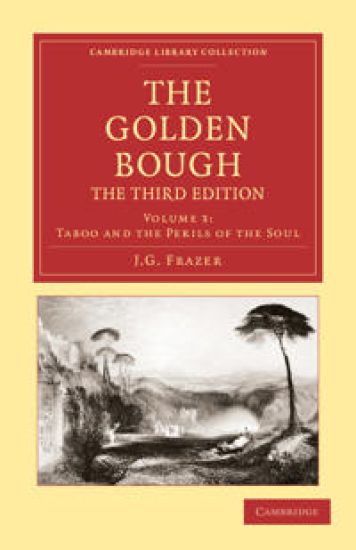
This work by Sir James Frazer (1854–1941) is widely considered to be one of the most important early texts in the fields of psychology and anthropology. At the same time, by applying modern methods of comparative ethnography to the classical world, and revealing the superstition and irrationality beneath the surface of the classical culture which had for so long been a model for Western civilisation, it was extremely controversial. Frazer was greatly influenced by E. B. Tylor's Primitive Culture (also reissued in this series), and by the work of the biblical scholar William Robertson Smith, to whom the first edition is dedicated. The twelve-volume third edition, reissued here, was greatly revised and enlarged, and published between 1911 and 1915; the two-volume first edition (1890) is also available in this series. Volume 3 (1911) is concerned with the concept of taboo, and its presence in all religious systems.