

Kirjailija
James Harmon
Kirjat ja teokset yhdessä paikassa: 4 kirjaa, julkaisuja vuosilta 2016–2019, suosituimpiin kuuluu Through Students' Eyes. Vertaile teosten hintoja ja tarkista saatavuus suomalaisista kirjakaupoista.
4 kirjaa
Kirjojen julkaisuvuodet: 2016–2019.

Finding the Good During Bad Times with Multiple Sclerosis
James Harmon
Independently Published
2018
nidottu
Multiple Sclerosis is a downright horrible disease to have to live with. You have to face many different challenges through the years. Eating right, exercising, and sleeping well are just a some of the ways that you can take care of yourself along with finding a disease modifying medication that will help to relieve some of the many symptoms that are caused by MS. This book is about my personal journey over the past 14 years as I struggled with the progression of the disease and finding ways to stay active, healthy and continue to have a smile on my face
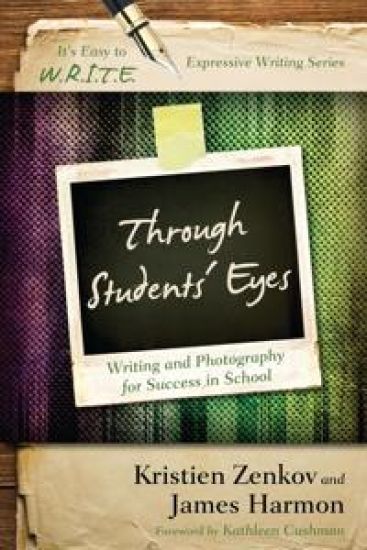
Today’s educators—pre- and in-service teachers and teacher educators serve increasing percentages of adolescents who have limited relationships to school. These young people are often our most diverse youth; they are frequently English Language Learners (ELLs) and immigrants, and they are too often part of multi-generational dropout and disengagement trends. Teachers are desperate for pedagogical philosophies, curricula, and practices that will support them with helping young people appreciate the value of school, engage or re-engage youth with this most foundational of our public institutions and aid adolescents in the development of the core literacy and writing skills they need to be successful in school and beyond. This volume will assist teachers in recognizing the increasing diversity of their students who often look very different from and have life and school experiences that are very different than those of the educators who serve them. Current and future educators must utilize relevant curricula and creative pedagogies that honor students’ diverse cultures and school and community experiences, while respecting our highest ideals for educational equity and social justice. With this volume, the authors respond to the quickly shifting demographics of schools’ student populations and the disengagement trends teachers frequently encounter but rarely know how to address. We offer compelling, relationship-driven pedagogical principles and instructional strategies that appeal to diverse youths’ voices and cultures and rely on broad, visually- and technology-based notions of literacy.
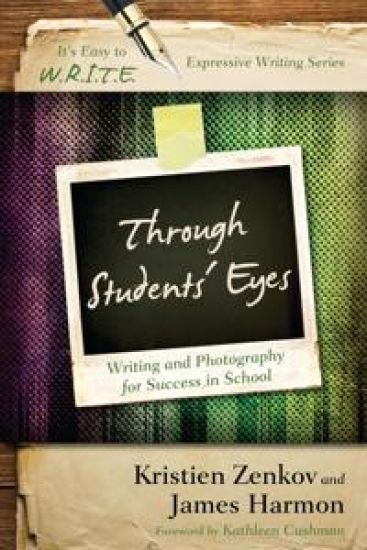
Today’s educators—pre- and in-service teachers and teacher educators serve increasing percentages of adolescents who have limited relationships to school. These young people are often our most diverse youth; they are frequently English Language Learners (ELLs) and immigrants, and they are too often part of multi-generational dropout and disengagement trends. Teachers are desperate for pedagogical philosophies, curricula, and practices that will support them with helping young people appreciate the value of school, engage or re-engage youth with this most foundational of our public institutions and aid adolescents in the development of the core literacy and writing skills they need to be successful in school and beyond. This volume will assist teachers in recognizing the increasing diversity of their students who often look very different from and have life and school experiences that are very different than those of the educators who serve them. Current and future educators must utilize relevant curricula and creative pedagogies that honor students’ diverse cultures and school and community experiences, while respecting our highest ideals for educational equity and social justice. With this volume, the authors respond to the quickly shifting demographics of schools’ student populations and the disengagement trends teachers frequently encounter but rarely know how to address. We offer compelling, relationship-driven pedagogical principles and instructional strategies that appeal to diverse youths’ voices and cultures and rely on broad, visually- and technology-based notions of literacy.