Kirjojen hintavertailu – 12 879 816 kirjaa ja 26 kauppaa

Kirjailija

James Hopkins

Kirjat ja teokset yhdessä paikassa: 7 kirjaa, julkaisuja vuosilta 2009–2026, suosituimpiin kuuluu Architecture of Knowledge. Vertaile teosten hintoja ja tarkista saatavuus suomalaisista kirjakaupoista.

7 kirjaa

Kirjojen julkaisuvuodet: 2009–2026.

Architecture of Knowledge

Architecture of Knowledge

Martin Dodge; Benjamin Blackwell; James Hopkins; Matthew Steele

MANCHESTER UNIVERSITY PRESS
2026
sidottu
Architecture of Knowledge presents, for the first time, a campus history of The University of Manchester. Beginning in the early nineteenth century, the book tells the story of how a handful of small, city-centre buildings expanded to become two large, distinct campuses. It charts the creation of the huge campus on Oxford Road, a marker of the city’s reinvention in the twenty-first century. The book explores the architecture of over fifty key buildings – from the Victorian grandeur of Whitworth Hall to the cutting-edge design of the National Graphene Institute – that have been home to an amazing breadth of research, as well as supporting the teaching of thousands of students. Lavishly illustrated with architectural elevations, perspective paintings, technical drawings, old campus masterplans and historical photographs, Architecture of Knowledge is the definitive guide to one of the world’s most important universities.

Acquainted with Grief

Acquainted with Grief

James Hopkins

Authorhouse
2020
pokkari
My story is not just about me; it includes my parents and my siblings who also bore the hurt and sorrow inflicted. Sadly, the grief and disappointments that festered in our home were the products of alcoholism; a disease, an illness that isn't caught like the flu only inherited. But an inheritance that can be denied, if desired. Some might think my stories lean more toward fiction or that I embellished for the sake of entertainment. I wish they were fiction or stories embellished. I envy the individuals who have lived the so-called normal lives that were filled with peace and unselfish love that did not hold conditions to its occasion. I am telling my story because my children asked me to. They have struggled over the years trying to understand my logic, my reasons for being like I am. Of course, much has mellowed with age; or I should say, much has been disabled with age. I am still the warrior inside, the man who compromised after the fight, the person who agreed to disagree after we settled the disagreement. The hurt has healed and been forgiven; but the sorrow continues with the memories. Tears still fall when an old familiar song resurrects a day's heartache, a wrenching goodbye, or the parting of a beloved pet. The joys and laughter of the few good times I cherish as the brush of angels wings while in the presence of God. They arrived so infrequently that when they did, I held them ever so tightly so not to forget any detail of the happiness enjoyed if only for a few moments.
Acquainted with Grief

Acquainted with Grief

James Hopkins

Authorhouse
2020
sidottu
My story is not just about me; it includes my parents and my siblings who also bore the hurt and sorrow inflicted. Sadly, the grief and disappointments that festered in our home were the products of alcoholism; a disease, an illness that isn't caught like the flu only inherited. But an inheritance that can be denied, if desired. Some might think my stories lean more toward fiction or that I embellished for the sake of entertainment. I wish they were fiction or stories embellished. I envy the individuals who have lived the so-called normal lives that were filled with peace and unselfish love that did not hold conditions to its occasion. I am telling my story because my children asked me to. They have struggled over the years trying to understand my logic, my reasons for being like I am. Of course, much has mellowed with age; or I should say, much has been disabled with age. I am still the warrior inside, the man who compromised after the fight, the person who agreed to disagree after we settled the disagreement. The hurt has healed and been forgiven; but the sorrow continues with the memories. Tears still fall when an old familiar song resurrects a day's heartache, a wrenching goodbye, or the parting of a beloved pet. The joys and laughter of the few good times I cherish as the brush of angels wings while in the presence of God. They arrived so infrequently that when they did, I held them ever so tightly so not to forget any detail of the happiness enjoyed if only for a few moments.
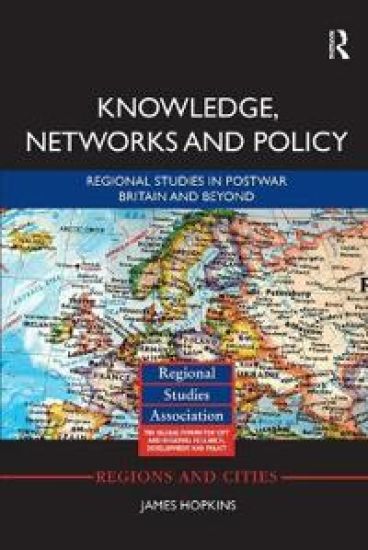
Knowledge, Networks and Policy

Knowledge, Networks and Policy

James Hopkins

Routledge
2018
nidottu
‘The region’ has been used to understand and propose solutions to phenomena and problems outside the dominant spatial scale of the twentieth century – the nation state. Its influence can be seen in multiple social science disciplines and in public policy across the globe. But how was this knowledge organised and how were its concepts transmuted into public policy? This book charts the development of the academic field of Regional Studies and the application of its concepts in public policy through its learned society, the Regional Studies Association. In their modern form, learned societies often play a complementary role to universities, offering networks that operate in the spaces between and beyond universities, connecting specialised academics and knowledge and making it possible for them to have impact outside the academy. In contrast to the geographically tangible and popularly understood role of the university, contemporary learned societies are nebulous networks that transcend barriers and whose contribution is difficult to discern. However, the production and dissemination of knowledge would be stunted were it not for the learned society connecting scholars through a network of publications and events. This book traces the intellectual history of regional studies and regional science from the 1960s into the 2000s and the impact of the regional concept in public policy through the changing priorities of government in the UK and Europe. By approaching the history through the Regional Studies Association, it interrogates the role and function of the ‘learned society’ model of organisation in contemporary academia and importance as a knowledge exchange vehicle for public policy influence.
Family Tax Benefits for Qualifying Child and Qualifying Relative Dependents: For 2017 Tax Returns
An income tax return preparer's guide providing detailed information about income tax benefits for qualifying child and qualifying relative dependency exemptions. Separate discussions on personal and dependency exemptions, as well as separate chapters on qualifying child and qualifying relative exemptions. The book also includes separate chapters on the child tax credit, child and dependent care credit and employer provided dependent care credit, earned income tax credit, and head of household filing status. Includes a quick reference eligibility table of all these benefits with separate, applicable Internal Revenue Code sections, and proposed income tax regulations issued in January 2017.
Knowledge, Networks and Policy

Knowledge, Networks and Policy

James Hopkins

Routledge
2015
sidottu
‘The region’ has been used to understand and propose solutions to phenomena and problems outside the dominant spatial scale of the twentieth century – the nation state. Its influence can be seen in multiple social science disciplines and in public policy across the globe. But how was this knowledge organised and how were its concepts transmuted into public policy? This book charts the development of the academic field of Regional Studies and the application of its concepts in public policy through its learned society, the Regional Studies Association. In their modern form, learned societies often play a complementary role to universities, offering networks that operate in the spaces between and beyond universities, connecting specialised academics and knowledge and making it possible for them to have impact outside the academy. In contrast to the geographically tangible and popularly understood role of the university, contemporary learned societies are nebulous networks that transcend barriers and whose contribution is difficult to discern. However, the production and dissemination of knowledge would be stunted were it not for the learned society connecting scholars through a network of publications and events. This book traces the intellectual history of regional studies and regional science from the 1960s into the 2000s and the impact of the regional concept in public policy through the changing priorities of government in the UK and Europe. By approaching the history through the Regional Studies Association, it interrogates the role and function of the ‘learned society’ model of organisation in contemporary academia and importance as a knowledge exchange vehicle for public policy influence.