Kirjojen hintavertailu – 12 859 818 kirjaa ja 27 kauppaa
Kirjailija
James L. W. West III
Kirjat ja teokset yhdessä paikassa: 9 kirjaa, julkaisuja vuosilta 1990–2025, suosituimpiin kuuluu The Annotated Great Gatsby. Vertaile teosten hintoja ja tarkista saatavuus suomalaisista kirjakaupoista.
Nimi esiintyy myös muodoissa: James L W West III, James L. W West III
100TH ANNIVERSARY CELEBRATION: A richly illustrated deluxe edition of the American classic, with illuminating commentary by a preeminent Fitzgerald scholar The most authoritative edition ever published: Read Gatsby exactly as Fitzgerald intended--and get an inside look at its composition and publication Boats against the current, we are borne back ceaselessly to The Great Gatsby. Now, in this deluxe annotated anniversary edition, James L. W. West provides running commentary on F. Scott Fitzgerald's classic novel, glossing contexts, language, literary allusions, and contemporary references. Dozens of illustrations and photographs throughout the volume vividly recreate the Jazz Age world of Fitzgerald's most famous work and chronicle its rich cultural afterlife, encouraging readers to linger in the margins of this deluxe annotated edition. Drawn from the authoritative Library of America edition of Fitzgerald's writings, this deluxe edition features: A new introduction by Amor Towles, bestselling author of Rules of Civility and A Gentleman in MoscowA corrected text of Gatsby based on Fitzgerald's composite manuscript, working galleys, and personal copies Restored American spellings and emendations made by Fitzgerald throughout the book's life 13 annotated letters between Fitzgerald and Gatsby's star editor Maxwell Perkins A detailed chronology of Fitzgerald's life and career, plus extensive explanatory and textual notes With stunning illustrations, insightful commentary, and fascinating insights into the composition, editing, and publication of The Great Gatsby, this 100th anniversary edition of "the Great American novel" is the most authoritative ever published, a must for any fan of this landmark American novel, and anyone interested in the life and literature of the Jazz Age.
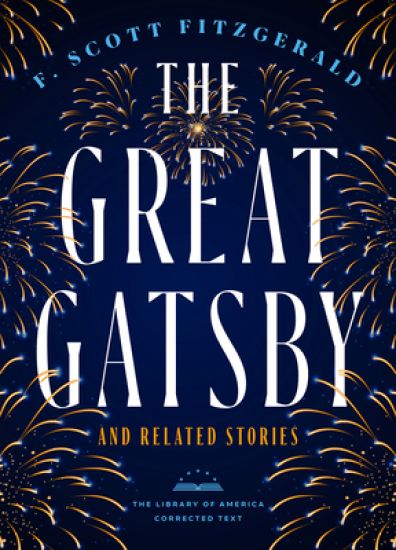
Library of America presents the definitive novel of the Jazz Age in an authoritative new text--along with a quartet of brilliant stories that explore variations on the theme of desperate longing for an unattainable someone or something Boats against the current, we are borne back ceaselessly to The Great Gatsby. Its unforgettable characters--the conflicted narrator Nick Carraway, the golden girl Daisy Buchanan, and the mysterious Jay Gatsby--its indelible symbols and soaring prose, and its large themes of money, class, and American optimism have an enduring fascination and make The Great Gatsby a frequent candidate for "the Great American novel." Now readers can experience F. Scott Fitzgerald's masterpiece in an edition that brings us closest to his original vision for the work. Drawn from the authoritative Library of America edition of Fitzgerald's collected writings, this deluxe paperback presents a new, corrected text of The Great Gatsby by preeminent Fitzgerald scholar James L. W. West III, incorporating emendations the author made on galley proofs and in his personal copy of the book. Fitzgerald's masterpiece is joined here by four contemporary stories--the "Gatsby cluster"--in which he explores variations on the theme of desperate longing for an unattainable someone or something: "Winter Dreams," "The Rich Boy," "Absolution," and "Rags Martin-Jones and the Pr-nce of W-les." Essential reading for fans of the novel, these, too, are presented in newly corrected texts. Rounding out this special edition is a selection of thirteen letters between Fitzgerald and Maxwell Perkins, his editor at Scribner's, about the composition, editing, and publication of The Great Gatsby, offering a fascinating glimpse into the genesis of an American classic. Other features include a preface by the editor, a detailed chronology of Fitzgerald's life and career, and helpful explanatory and textual notes.
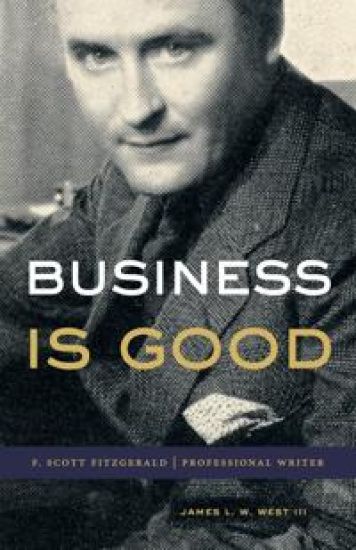
Widely regarded as one of America’s great authors, F. Scott Fitzgerald led a life of drama and extravagance that often overshadowed his writing career. This book refocuses attention on how Fitzgerald viewed and approached the business of writing. Fitzgerald scholar James L. W. West III explores the writer’s professional life through personal letters, manuscripts, his business ledger, editions of his novels, and even a “seven-year plan.” In assessing these diverse materials, West reveals fascinating details about what led Fitzgerald to follow authorship as a calling, why he took on certain projects, how he managed his finances, and what influenced his writing style. Connecting Fitzgerald’s career to his literary texts, West also provides new information on the development and publication history of some of Fitzgerald’s most important works, such as The Great Gatsby and Jacob’s Ladder. Throughout, West pays close attention to the delicate balance in Fitzgerald’s career between money and literary respectability, commerce and art. A keen, engaging, and intimate look at Fitzgerald’s day-to-day work of writing for a living, Business Is Good is a must-have for anyone who wants a better understanding of this American literary giant.
This eighteenth and final volume in the Cambridge Edition of the Works of F. Scott Fitzgerald is a variorum edition of The Great Gatsby (1925), the author's masterpiece. The variorum text is based on multiple witnesses including the extant holograph of the novel and Fitzgerald's revised galley proofs; the first edition and later impressions from the first-edition plates; and importantly, Fitzgerald's personal copy of the novel, which bears corrections and revisions in his hand. This edition removes instances of over-correction in later editions of the novel, where there are numerous examples of textual corruption, thus giving control of the text back to Fitzgerald. This critical edition includes an introduction, tracing the history of the novel, an emended text, emendation tables, Fitzgerald's 1935 introduction, and fourteen illustrations. Historical annotations provide identifications of persons, places, events, popular songs, and literary works - all now made available to readers, teachers, critics, and scholars.
Making the Archives Talk is a collection of twelve essays by editor, biographer, bibliographer, and book historian James L. W. West III. In these essays, West sets forth his views of editorial theory, archival use, textual emendation, and scholarly annotation. He has published editions of major writings by Theodore Dreiser, F. Scott Fitzgerald, and William Styron. Drawing on these editions for examples, West defends intentionalist editing and the eclectic emendation of texts. He discusses the treatment of both public documents (novels, stories, and nonfiction) and private texts (letters, diaries, journals, and working papers). Highlights of the collection include “The Scholarly Editor as Biographer,” “Editorial Theory and the Act of Submission,” “Double Quotes and Double Meanings in Jennie Gerhardt,” “Annotating Mr. Fitzgerald,” and “The End Is Near.” Two of the essays, “Toxic Words and the Editor” and “Keeper of the Flame: Editing the Literary Remains of William Styron,” are previously unpublished.
A self-portrait of a great writer. A Short Autobiography charts Fitzgerald's progression from exuberant and cocky with What I think and Feel at 25, to mature and reflective with One Hundred False Starts and The Death of My Father. Compiled and edited by Professor James West, this revealing collection of personal essays and articles reveals the beloved author in his own words.
This book examines literary authorship in the twentieth century and covers such topics as publishing, book distribution, the trade editor, the literary agent, the magazine market, subsidiary rights, and the blockbuster mentality.