Kirjojen hintavertailu – 12 859 828 kirjaa ja 27 kauppaa
Kirjailija
James Mccullough
Kirjat ja teokset yhdessä paikassa: 9 kirjaa, julkaisuja vuosilta 2015–2026, suosituimpiin kuuluu Life in the Trinity, 2nd Edition. Vertaile teosten hintoja ja tarkista saatavuus suomalaisista kirjakaupoista.
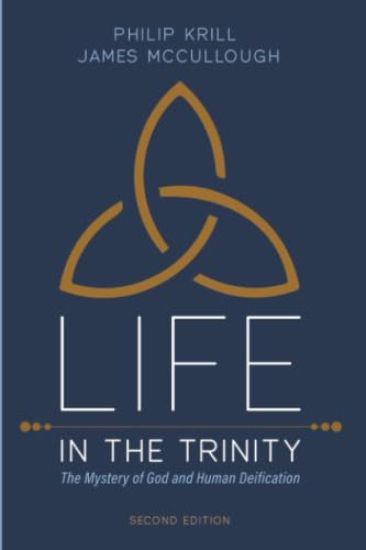
Informed by Scripture and the church fathers, and inspired by the ressourcement theology of Henri de Lubac, Hans Urs von Balthasar, and Pope Benedict XVI, this book advances new insight and practical application of the recent retrieval of Trinitarian theology and its vision of human transformation known as deification. Father Philip Krill contributes to a growing retrieval of Trinitarian Christianity and a synthesis of the Western and Eastern theological traditions. A final section on theosis, or deification, rounds out this exploration of God's full intentions for the redemption of humanity.
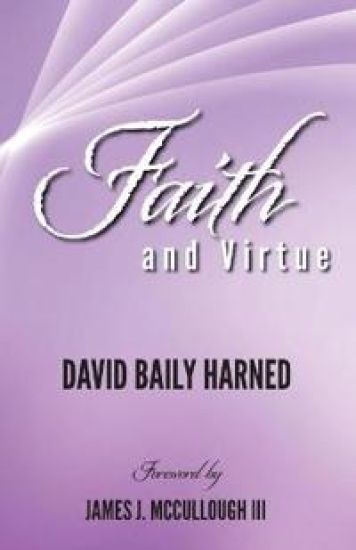
Faith and Virtue starts with the traditional metaphor and departs dramatically from tradition: 'Faith and hope and love are not some late and miraculous addition to existence, comforting and exhilarating but finally gratuitous. They are the indispensable foundation for everything else.' Professor Harned insists that the clue to moral life is vision, for among all the senses it is the eye that serves as the architect of our decisions. In its emphasis on the importance of imagination and oon the integral relationship between the moral and aesthetic aspects of existence, Faith and Virtue provides a salutary remedy for our too often manipulative and instrumental approach to the world and its citizens. In an earlier book, Grace and common Life, the author traced some intimations of grace in ordinary experience, times when the self is surprised by gifts that it could neither expect nor deserve. Now, he examines the effects of grace. In this exploration of the moral life, he argues that the metaphor is no less important now than it used to be, for its consistent focus on the problem of time and the emergency of habit can remind a world which has lost its sense of rhythm that there is more to reality than the present moment, greater rewards than instant gratification, higher values than relevance to the contemporary scene. Virtue cannot be satisfactorily examined without reference to the Church. While virtue is not an exclusive Christian attribute, it would be puzzling to refer to Christian virtue without any reference to a Christian context, since virtues are born from our social experience. This has been the greatest flaw in earlier studies of the metaphor. The old notion, that the theological virtues crown the natural, should be stood on its head, writes the author. He acknowledges the Christian origin of natural theology.
This book consists of lectures originally written for a seminar on secularization and later revised and presented at a center for the study of world religions in North India. The central theme which Professor Harned explores is one shared by different traditions, namely, grace and the view of man as a player, i.e. engaging in the activity of play. The book aims to show how the Christian faith among others relies upon ordinary experience, especially family life and playing. Grace, which is available to all and is defined as the presence and activity of the divine among men, is bound up with imagination and creativity.
Faith and Virtue starts with the traditional metaphor and departs dramatically from tradition: 'Faith and hope and love are not some late and miraculous addition to existence, comforting and exhilarating but finally gratuitous. They are the indispensable foundation for everything else.' Professor Harned insists that the clue to moral life is vision, for among all the senses it is the eye that serves as the architect of our decisions. In its emphasis on the importance of imagination and oon the integral relationship between the moral and aesthetic aspects of existence, Faith and Virtue provides a salutary remedy for our too often manipulative and instrumental approach to the world and its citizens. In an earlier book, Grace and common Life, the author traced some intimations of grace in ordinary experience, times when the self is surprised by gifts that it could neither expect nor deserve. Now, he examines the effects of grace. In this exploration of the moral life, he argues that the metaphor is no less important now than it used to be, for its consistent focus on the problem of time and the emergency of habit can remind a world which has lost its sense of rhythm that there is more to reality than the present moment, greater rewards than instant gratification, higher values than relevance to the contemporary scene. Virtue cannot be satisfactorily examined without reference to the Church. While virtue is not an exclusive Christian attribute, it would be puzzling to refer to Christian virtue without any reference to a Christian context, since virtues are born from our social experience. This has been the greatest flaw in earlier studies of the metaphor. The old notion, that the theological virtues crown the natural, should be stood on its head, writes the author. He acknowledges the Christian origin of natural theology.