
Kirjojen hintavertailu – 12 859 828 kirjaa ja 27 kauppaa

Kirjailija

James McLaren

Kirjat ja teokset yhdessä paikassa: 2 kirjaa, julkaisuja vuosilta 2007–2018, suosituimpiin kuuluu What Would Jesus Deconstruct? – The Good News of Postmodernism for the Church. Vertaile teosten hintoja ja tarkista saatavuus suomalaisista kirjakaupoista.

2 kirjaa

Kirjojen julkaisuvuodet: 2007–2018.

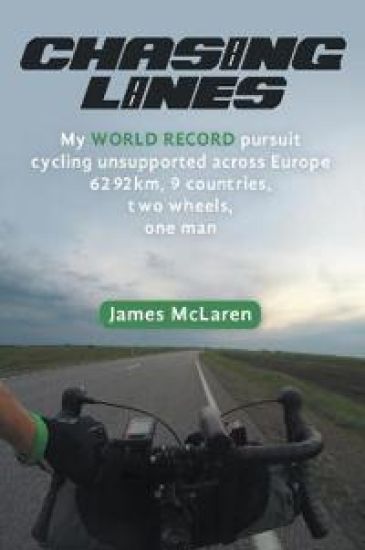
Chasing Lines

Chasing Lines

James McLaren

Lulu.com
2018
pokkari
When James McLaren saw a shiny blue bike at age thirteen, it was love at first sight. Two years after buying it, he cycled two hundred miles from Canterbury to Portsmouth along the southeast coast of England. He enjoyed riding somewhere he'd never been before, and even though there was a lot of rain, it was great fun. As the years went by, there would be other bikes, lots of roads traveled, and numerous injuries, but one thing stayed the same: McLaren loved to ride. Fast forward to 2016, and McLaren sought to do the unthinkable: cycling from Ufa, Russia, to Cabo Da Roca, Portugal, without a sponsor in a bid to set a Guinness World Record. In Chasing Lines, he recalls his journey, weaving in stories about other cycling adventures and how the sport has taught him valuable lessons about the importance of moving forward-no matter what. Join an amateur cyclist as he quits his job and chases a dream across nine countries, from the Ural Mountains of Russia to the coast of Portugal.
What Would Jesus Deconstruct? – The Good News of Postmodernism for the Church

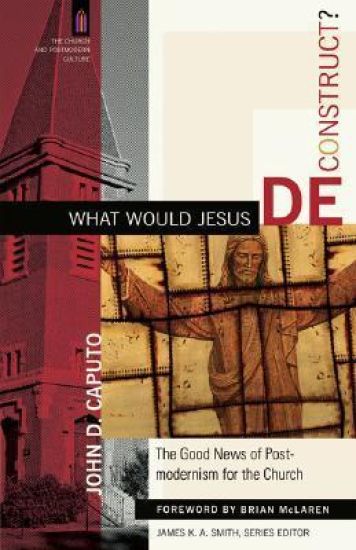
What Would Jesus Deconstruct? – The Good News of Postmodernism for the Church

John D. Caputo; James Smith; James McLaren

Baker Academic, Div of Baker Publishing Group
2007
nidottu
This provocative addition to The Church and Postmodern Culture series offers a lively rereading of Charles Sheldon's In His Steps as a constructive way forward. John D. Caputo introduces the notion of why the church needs deconstruction, positively defines deconstruction's role in renewal, deconstructs idols of the church, and imagines the future of the church in addressing the practical implications of this for the church's life through liturgy, worship, preaching, and teaching. Students of philosophy, theology, religion, and ministry, as well as others interested in engaging postmodernism and the emerging church phenomenon, will welcome this provocative, non-technical work.