Kirjojen hintavertailu – 12 903 725 kirjaa ja 27 kauppaa
Kirjailija
James Naremore
Kirjat ja teokset yhdessä paikassa: 22 kirjaa, julkaisuja vuosilta 1990–2025, suosituimpiin kuuluu Some Versions of Cary Grant. Vertaile teosten hintoja ja tarkista saatavuus suomalaisista kirjakaupoista.
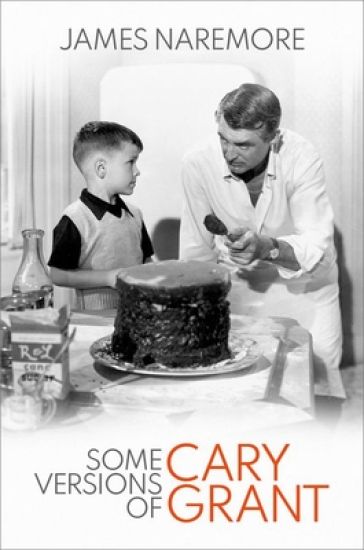
Cary Grant famously said, "Everyone wants to be Cary Grant--even I want to be Cary Grant." His development of that star image required serious work, but he also played a variety of characters requiring special performing talents. He was equally skilled in the screwball farce The Awful Truth, the dark thriller Notorious, the romantic melodrama An Affair to Remember, the domestic comedy Mr. Blandings Builds His Dream House, and the social drama None But the Lonely Heart. In a lively style accompanied by many illustrations, James Naremore analyzes these and other of Grant's best films, demonstrating that he had exceptional talent and greater range than usually recognized.
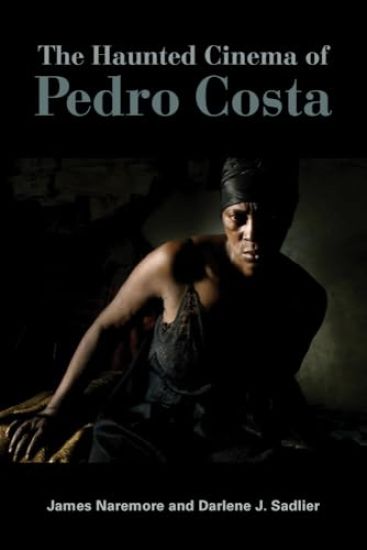
For over three decades, Portuguese director Pedro Costa has been widely admired for his unusual and innovative body of work, which has earned accolades and wide acclaim. The Haunted Cinema of Pedro Costa is the most complete treatment of his work, exploring Costa's feature films from Blood to Vitalina Varela, and from the documentaries to the short films, museum exhibitions, and the forthcoming Daughters of Fire. Authors James Naremore and Darlene J. Sadlier situate Costa within the history and culture of Portugal, at the same time providing insightful close readings and stylistic analysis of the films. Their work explores the unusual features of his artistry and illuminates his unique contribution to cinema. An accessible portrait of an important artist, The Haunted Cinema of Pedro Costa is an indispensable companion for scholars, students, and cinephiles everywhere.
For over three decades, Portuguese director Pedro Costa has been widely admired for his unusual and innovative body of work, which has earned accolades and wide acclaim. The Haunted Cinema of Pedro Costa is the most complete treatment of his work, exploring Costa's feature films from Blood to Vitalina Varela, and from the documentaries to the short films, museum exhibitions, and the forthcoming Daughters of Fire. Authors James Naremore and Darlene J. Sadlier situate Costa within the history and culture of Portugal, at the same time providing insightful close readings and stylistic analysis of the films. Their work explores the unusual features of his artistry and illuminates his unique contribution to cinema. An accessible portrait of an important artist, The Haunted Cinema of Pedro Costa is an indispensable companion for scholars, students, and cinephiles everywhere.
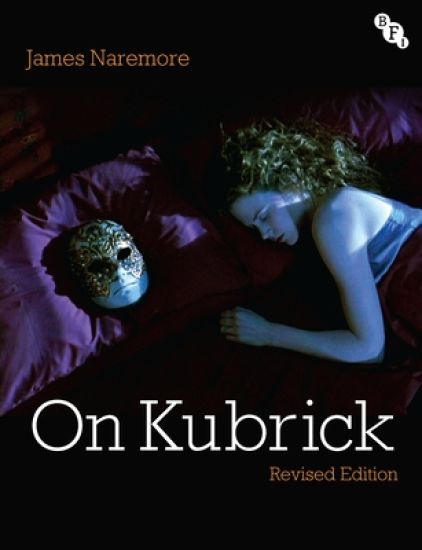
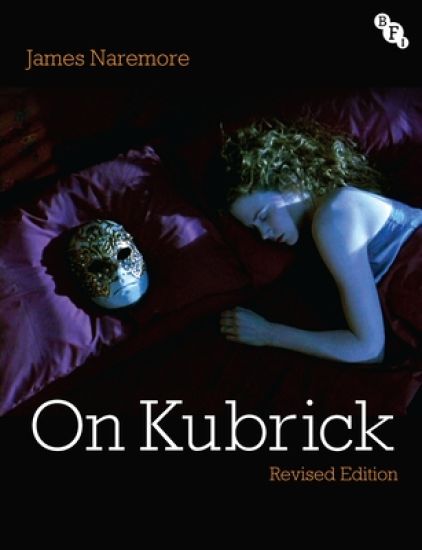
In a comprehensively revised and updated new edition, James Naremore provides an illuminating critical account of the films of Stanley Kubrick, from his earliest feature, Fear and Desire (1953), to the posthumously-produced A. I. Artificial Intelligence (Steven Spielberg, 2001). Naremore offers provocative analyses of each of Kubrick's films, considering his emphasis on the absurdity of combat, as in Paths of Glory (1957) and Full Metal Jacket (1987), the failure of scientific reasoning, as in 2001 (1968), and the fascistic impulses in masculine sexuality, as in Dr Strangelove (1964) and Eyes Wide Shut (1999). He argues that while Kubrick was a voracious intellectual and a life-long autodidact, the fascination of his work has less to do with the ideas it espouses than with the emotions it evokes. Combining close readings with new insights into the production histories and cultural contexts of key films, Naremore provides a concise yet thorough discussion that will be useful to students of Kubrick's filmmaking and cinephiles who seek a deeper insight into the work of this perfectionist genius. Revised throughout, this new edition also includes a fully updated bibliography of critical writings on Kubrick's cinema.
In a comprehensively revised and updated new edition, James Naremore provides an illuminating critical account of the films of Stanley Kubrick, from his earliest feature, Fear and Desire (1953), to the posthumously-produced A. I. Artificial Intelligence (Steven Spielberg, 2001). Naremore offers provocative analyses of each of Kubrick's films, considering his emphasis on the absurdity of combat, as in Paths of Glory (1957) and Full Metal Jacket (1987), the failure of scientific reasoning, as in 2001 (1968), and the fascistic impulses in masculine sexuality, as in Dr Strangelove (1964) and Eyes Wide Shut (1999). He argues that while Kubrick was a voracious intellectual and a life-long autodidact, the fascination of his work has less to do with the ideas it espouses than with the emotions it evokes. Combining close readings with new insights into the production histories and cultural contexts of key films, Naremore provides a concise yet thorough discussion that will be useful to students of Kubrick's filmmaking and cinephiles who seek a deeper insight into the work of this perfectionist genius. Revised throughout, this new edition also includes a fully updated bibliography of critical writings on Kubrick's cinema.
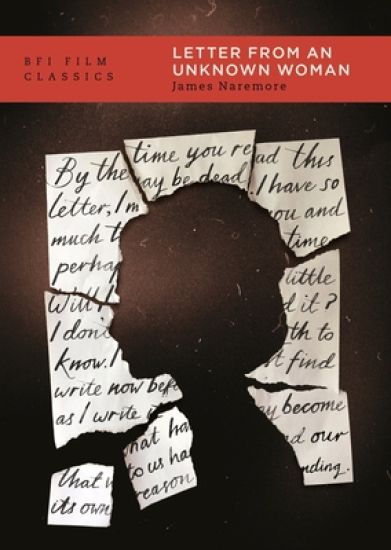
James Naremore's study of Max Ophuls' classic 1948 melodrama, Letter from an Unknown Woman, not only pays tribute to Ophuls but also discusses the backgrounds and typical styles of the film’s many contributors--among them Viennese author Stephan Zweig, whose 1922 novella was the source of the picture; producer John Houseman, an ally of Ophuls who nevertheless made questionable changes to what Ophuls had shot; screenwriter Howard Koch; music composer Daniéle Amfitheatrof; designers Alexander Golitzen and Travis Banton; and leading actors Joan Fontaine and Louis Jourdan, whose performances were central to the film’s emotional effect. Naremore also traces the film's reception history, from its middling box office success and mixed early reviews, exploring why it has been a work of exceptional interest to subsequent generations of both aesthetic critics and feminist theorists. Lastly, Naremore provides an in-depth critical appreciation of the film, offering nuanced appreciation of specific details of mise-en-scene, camera movement, design, sound, and performances, integrating this close analyses into an overarching analysis of Letter’s “recognition plot;” a trope in which the recognition of a character’s identity creates dramatic intensity or crisis. Naremore argues that Letter's use of recognition is one of the most powerful in Hollywood cinema, and contrasts it with what we find in Zweig's novella.
Film noir, one of the most intriguing yet difficult to define terms in cinema history, is usually associated with a series of darkly seductive Hollywood thrillers from the 1940s and 50s - shadowy, black-and-white pictures about private eyes, femme fatales, outlaw lovers, criminal heists, corrupt police, and doomed or endangered outsiders. But as this VSI demonstrates, film noir actually predates the 1940s and has never been confined to Hollywood. International in scope, its various manifestations have spread across generic categories, attracted the interest of the world's great directors, and continue to appear even today. In this Very Short Introduction James Naremore shows how the term film noir originated in in French literary and film criticism, and how later uses of the term travelled abroad, changing its implications. In the process, he comments on classic examples of the films and explores important aspects of their history: their critical reception, their major literary sources, their methods of dealing with censorship and budgets, their social and cultural politics, their variety of styles, and their future in a world of digital media and video streaming. ABOUT THE SERIES: The Very Short Introductions series from Oxford University Press contains hundreds of titles in almost every subject area. These pocket-sized books are the perfect way to get ahead in a new subject quickly. Our expert authors combine facts, analysis, perspective, new ideas, and enthusiasm to make interesting and challenging topics highly readable.
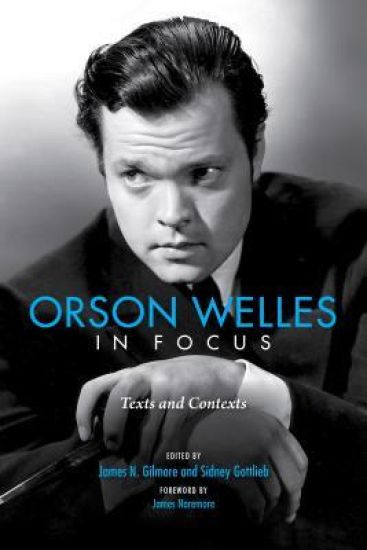
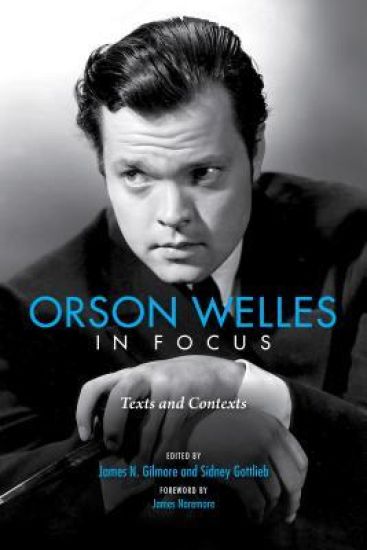
Through his radio and film works, such as The War of the Worlds and Citizen Kane, Orson Welles became a household name in the United States. Yet Welles's multifaceted career went beyond these classic titles and included lesser-known but nonetheless important contributions to television, theater, newspaper columns, and political activism. Orson Welles in Focus: Texts and Contexts examines neglected areas of Welles's work, shedding light on aspects of his art that have been eclipsed by a narrow focus on his films. By positioning Welles's work during a critical period of his activity (the mid-1930s through the 1950s) in its larger cultural, political, aesthetic, and industrial contexts, the contributors to this volume examine how he participated in and helped to shape modern media. This exploration of Welles in his totality illuminates and expands our perception of his contributions that continue to resonate today.
Through his radio and film works, such as The War of the Worlds and Citizen Kane, Orson Welles became a household name in the United States. Yet Welles's multifaceted career went beyond these classic titles and included lesser-known but nonetheless important contributions to television, theater, newspaper columns, and political activism. Orson Welles in Focus: Texts and Contexts examines neglected areas of Welles's work, shedding light on aspects of his art that have been eclipsed by a narrow focus on his films. By positioning Welles's work during a critical period of his activity (the mid-1930s through the 1950s) in its larger cultural, political, aesthetic, and industrial contexts, the contributors to this volume examine how he participated in and helped to shape modern media. This exploration of Welles in his totality illuminates and expands our perception of his contributions that continue to resonate today.
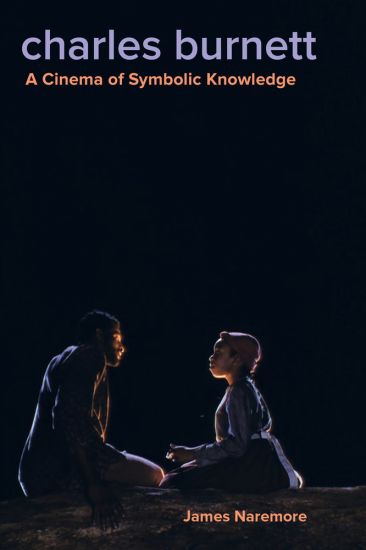
In the first book devoted to Charles Burnett, a crucial figure in the history of American cinema often regarded as the most influential member of the LA Rebellion group of African American filmmakers, James Naremore provides a close critical study of all Burnett's major pictures for movies and television, including Killer of Sheep, To Sleep with Anger, The Glass Shield, Nightjohn, The Wedding, Nat Turner: A Troublesome Property, and Warming by the Devil's Fire. Having accessed new information and rarely seen material, Naremore shows that Burnett's career has developed against the odds and that his artistry, social criticism, humor, and commitment to what he calls "symbolic knowledge" have given his work enduring value for American culture.
In the first book devoted to Charles Burnett, a crucial figure in the history of American cinema often regarded as the most influential member of the LA Rebellion group of African American filmmakers, James Naremore provides a close critical study of all Burnett's major pictures for movies and television, including Killer of Sheep, To Sleep with Anger, The Glass Shield, Nightjohn, The Wedding, Nat Turner: A Troublesome Property, and Warming by the Devil's Fire. Having accessed new information and rarely seen material, Naremore shows that Burnett's career has developed against the odds and that his artistry, social criticism, humor, and commitment to what he calls "symbolic knowledge" have given his work enduring value for American culture.
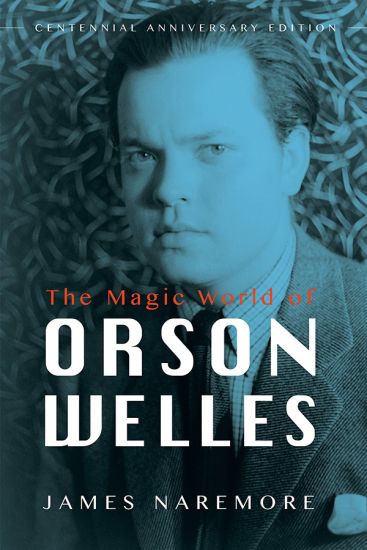
Prodigy. Iconoclast. Genius. Exile. Orson Welles remains one of the most discussed figures in cinematic history. In the centenary year of Welles's birth, James Naremore presents a revised third edition of this incomparable study, including a new section on the unfinished film The Other Side of the Wind. Naremore analyzes the political and psychological implications of the films, Welles's idiosyncratic style, and the biographical details--both playful and vexing--that impacted each work. Itself a historic film study, The Magic World of Orson Welles unlocks the soaring art and quixotic methods of a master.
Prodigy. Iconoclast. Genius. Exile. Orson Welles remains one of the most discussed figures in cinematic history. In the centenary year of Welles's birth, James Naremore presents a revised third edition of this incomparable study, including a new section on the unfinished film The Other Side of the Wind. Naremore analyzes the political and psychological implications of the films, Welles's idiosyncratic style, and the biographical details--both playful and vexing--that impacted each work. Itself a historic film study, The Magic World of Orson Welles unlocks the soaring art and quixotic methods of a master.
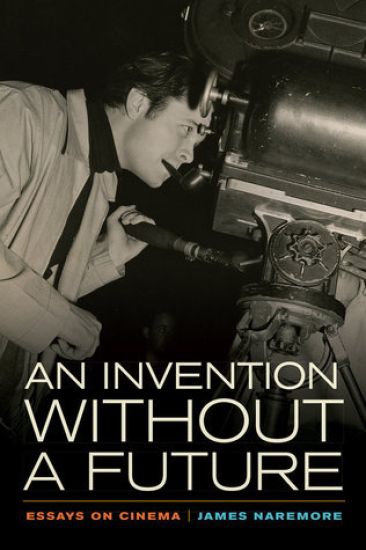
In 1895, Louis Lumiere supposedly said that cinema is "an invention without a future." James Naremore uses this legendary remark as a starting point for a meditation on the so-called death of cinema in the digital age, and as a way of introducing a wide-ranging series of his essays on movies past and present. These essays include discussions of authorship, adaptation, and acting; commentaries on Howard Hawks, Alfred Hitchcock, Orson Welles, Vincente Minnelli, John Huston, and Stanley Kubrick; and reviews of more recent work by non-Hollywood directors Pedro Costa, Abbas Kiarostami, Raul Ruiz, and Apichatpong Weerasethakul. Important themes recur: the relations between modernity, modernism, and postmodernism; the changing mediascape and death of older technologies; and the need for robust critical writing in an era when print journalism is waning and the humanities are devalued. The book concludes with essays on four major American film critics: James Agee, Manny Farber, Andrew Sarris, and Jonathan Rosenbaum.
In 1895, Louis Lumiere supposedly said that cinema is "an invention without a future." James Naremore uses this legendary remark as a starting point for a meditation on the so-called death of cinema in the digital age, and as a way of introducing a wide-ranging series of his essays on movies past and present. These essays include discussions of authorship, adaptation, and acting; commentaries on Howard Hawks, Alfred Hitchcock, Orson Welles, Vincente Minnelli, John Huston, and Stanley Kubrick; and reviews of more recent work by non-Hollywood directors Pedro Costa, Abbas Kiarostami, Raul Ruiz, and Apichatpong Weerasethakul. Important themes recur: the relations between modernity, modernism, and postmodernism; the changing mediascape and death of older technologies; and the need for robust critical writing in an era when print journalism is waning and the humanities are devalued. The book concludes with essays on four major American film critics: James Agee, Manny Farber, Andrew Sarris, and Jonathan Rosenbaum.
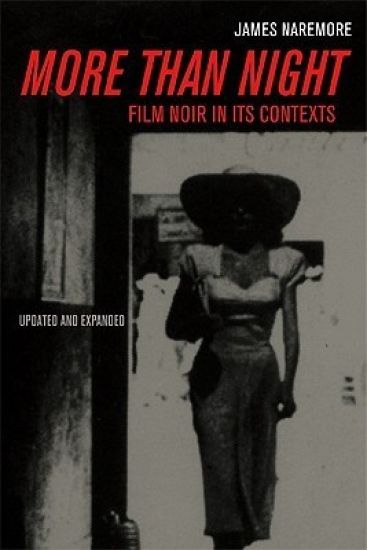
"Film Noir" evokes memories of stylish, cynical, black-and-white movies from the 1940s and '50s - melodramas about private eyes, femmes fatales, criminal gangs, and lovers on the run. James Naremore's prize-winning book discusses these pictures, but also shows that the central term is more complex and paradoxical than we realize. It treats noir as a term in criticism, as an expression of artistic modernism, as a symptom of Hollywood censorship and politics, as a market strategy, as an evolving style, and as an idea that circulates through all the media. This new and expanded edition of "More Than Night" contains an additional chapter on film noir in the twenty-first century.
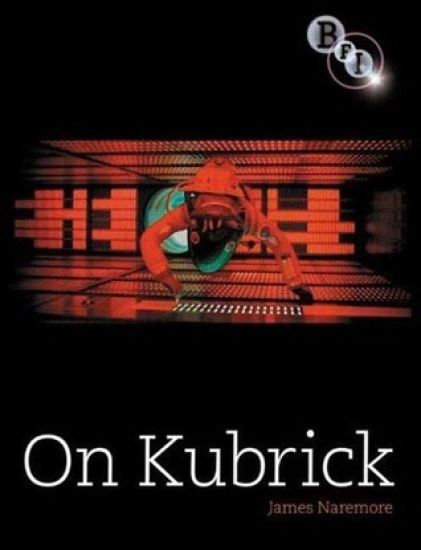
On Kubrick is a critical study of Stanley Kubrick's career, beginning with his earliest feature, "Fear and Desire" (1953), and ending with his posthumous production of "A. I., Artificial Intelligence" (2001). Organized in six parts ("The Taste Machine," "Young Kubrick," "Kubrick, Harris, Douglas," "Stanley Kubrick Presents," "Late Kubrick," and "Epilogue"), it offers provocative analysis of each of Kubrick's films together with new information about their production histories and cultural contexts. Its ultimate aim is to provide a concise yet thorough discussion that will be useful as both an academic text and a trade publication. The book argues that in several respects Kubrick was one of the cinema's last modernists: his taste and sensibility were shaped by the artistic culture of New York in the 1950s; he became a celebrated auteur who forged a distinctive style; he used art-cinema conventions in commercial productions; he challenged censorship regulations; and throughout his career he was preoccupied with one of the central themes of modernist art - the conflict between rationality and its ever-present shadow, the unconscious. War and science are often the subjects of his films, and his work has a hyper-masculine quality; yet no director has more relentlessly emphasized the absurdity of combat, the failure of scientific reasoning, and the fascistic impulses in masculine sexuality. The book also argues that while Kubrick was a voracious intellectual and a life-long autodidact, the fascination of his work has less to do with the ideas it espouses than with the emotions it evokes. Often described as "cool" or "cold," Kubrick is best understood as a skillful practitioner of what might be called the aesthetics of the grotesque; he employs extreme forms of caricature and black comedy to create disgusting, frightening, yet also laughable images of the human body. No less than Diane Arbus (who was his contemporary), he makes his viewers uneasy, unsure how to react either emotionally or politically.
Citizen Kane is arguable the most admired and significant film since the advent of talking pictures. To study it even briefly is to learn a great deal about American history, motion-picture style, and the literary aspects of motion-picture scripts. This volume will represent the essential writings on Kane. It gives the reader a lively set of critical interpretations, together with the necessary production information, historical background, and technical understanding to comprehend the film's larger cultural significance.
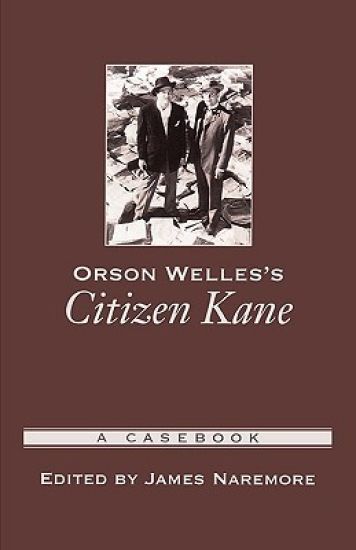
Citizen Kane is arguably the most admired and significant film since the advent of talking pictures. No other film is quite so interesting from both artistic and political points of view. To study it even briefly is to learn a great deal about American history, motion-picture style, and the literary aspects of motion-picture scripts. Rather than a sterile display of critical methodologies, James Naremore has gathered a set of essays that represent the essential writings on the film. It gives the reader a lively set of critical interpretations, together with the necessary production information, historical background, and technical understanding to comprehend the film's larger cultural significance. Selections range from the anecdotal -- Peter Bogdanovich's interview with Orson Welles -- to the critical, with discussions on the scripts and sound track, and a discussion of what accounts for the film's enduring popularity. Contributors include James Naremore, Peter Bogdanovich, Jonathan Rosenbaum, Robert L. Carringer, François Thomas, Michael Denning, Laura Mulvey, Peter Wollen, and Paul Arthur.
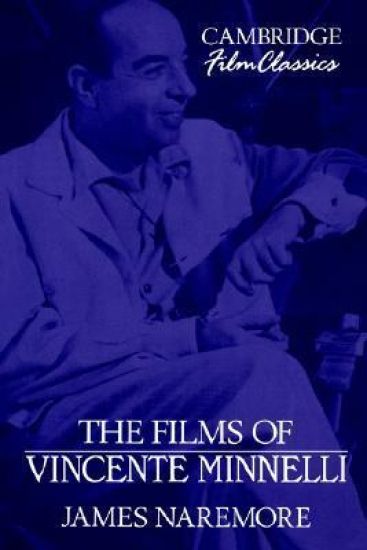
The Films of Vincente Minnelli examines the career of MGM’s leading director of musicals, melodramas, and comedies in the 1940s and 1950s. Widely admired for his flamboyant sense of colour and camera movement, Minnelli played a crucial role in maintaining the studio's reputation as the ‘home of the stars’. Describing the director’s contributions to some of the most celebrated works of Hollywood’s golden era, this volume also includes a close analysis of five important films that represent the full range of Minnelli’s career: Cabin in the Sky, Meet Me in St Louis, Father of the Bride, The Bad and the Beautiful, and Lust for Life. These lively readings provide commentary on problems of genre, directorial style, cultural politics, and the connection between aestheticism and mass culture during the first half of the twentieth century.