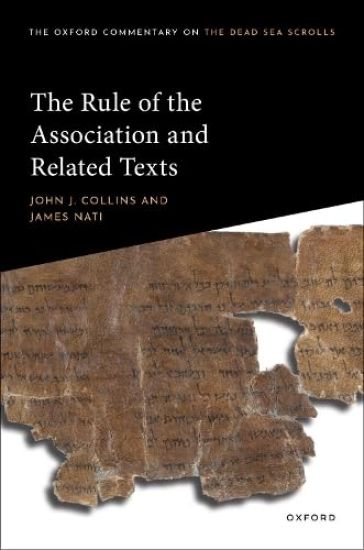
The Rule of the Association and Related Texts
John J. Collins; James Nati
Oxford University Press
2024
sidottu
The Rule of the Association (1QS; Serek ha-Yahad) is the primary description of the sectarian community described in the Dead Sea Scrolls. It was one of the first Scrolls published, in 1951. Several related fragmentary scrolls subsequently came to light. This book provides text, translation, and commentary on all these manuscripts, with a substantial introduction that locates the Rule in the context of the sectarian movement. Distinctive features of this commentary include: presentation of the Hebrew text; treatment of the related manuscripts as texts in their own right, not just as stages in the development of 1QS; recognition that this was a rule for a movement with many settlements and not just for the community that lived at Qumran; recognition of graded levels of holiness within 1QS; recognition of conceptual differences between 1QS and some of the related fragments with regard to the nature and goals of the association; discussion of the broader cultural context of voluntary associations in the Hellenistic world, and the influence of Persian dualism on the Instruction on the Two Spirits in 1QS 3-4. The commentary also engages the full range of scholarship on the texts known as 1QSa (The Rule of the Community) and 1QSb (The Scroll of Blessings) which were copied on the same scroll as 1QS but appear to have originated separately.