Kirjojen hintavertailu – 12 903 733 kirjaa ja 27 kauppaa

Kirjailija

James Owen Drife

Kirjat ja teokset yhdessä paikassa: 5 kirjaa, julkaisuja vuosilta 2020–2024, suosituimpiin kuuluu This Gynaecological Life. Vertaile teosten hintoja ja tarkista saatavuus suomalaisista kirjakaupoista.

5 kirjaa

Kirjojen julkaisuvuodet: 2020–2024.

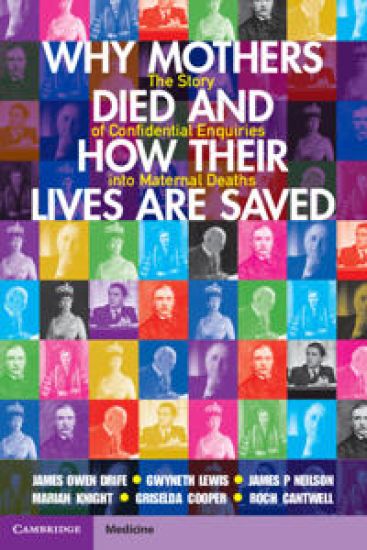
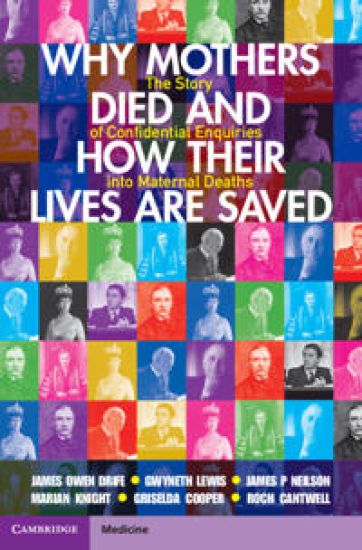
Why Mothers Died and How their Lives are Saved

Why Mothers Died and How their Lives are Saved

James Owen Drife; Gwyneth Lewis; James P Neilson; Marian Knight; Griselda Cooper; Roch Cantwell

Cambridge University Press
2024
pokkari
One of the most dramatic changes to women's lives in the twentieth century was the advent of safe childbirth, reducing the maternal mortality rate from 1 in 400 births to 1 in 10,000 in just 80 years. The impetus behind this change was the Confidential Enquiries into Maternal Death (CEMD), now the world's longest running self-audit of a healthcare service. Here, leading authors in the CEMD tell the story of the pioneering clinicians behind the push for improvements, who received little recognition for their work despite its far-reaching consequences. One by one, the leading causes of maternal death were identified and resolved, from sepsis to safe abortions and more recently psychiatric illness and social and ethnic disparities in healthcare. Global maternal mortality is still too high; this valuable book shows how significant advances in maternal healthcare are possible when clinicians, politicians and the public work together.
This Gynaecological Life

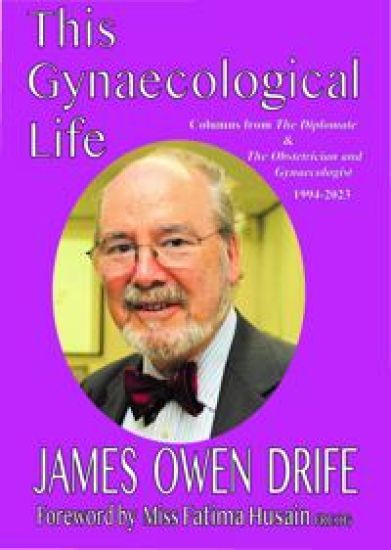
This Gynaecological Life

James Owen Drife; Fatima Husain

CLINICAL PRESS LTD
2023
nidottu
From 1994 to 2023, Professor Drife wrote an entertaining column in the journal of the Royal College of Obstetricians and Gynaecologists. His sole aim was to amuse colleagues - young and old, female and male - working in a stressful and fast-changing specialty. Using wit, observation of life inside and outside medicine, and a global perspective, he helped them to relax, reflect and sometimes laugh out loud.
Why Mothers Died and How their Lives are Saved

Why Mothers Died and How their Lives are Saved

James Owen Drife; Gwyneth Lewis; James P Neilson; Marian Knight; Griselda Cooper; Roch Cantwell

Cambridge University Press
2023
sidottu
One of the most dramatic changes to women's lives in the twentieth century was the advent of safe childbirth, reducing the maternal mortality rate from 1 in 400 births to 1 in 10,000 in just 80 years. The impetus behind this change was the Confidential Enquiries into Maternal Death (CEMD), now the world's longest running self-audit of a healthcare service. Here, leading authors in the CEMD tell the story of the pioneering clinicians behind the push for improvements, who received little recognition for their work despite its far-reaching consequences. One by one, the leading causes of maternal death were identified and resolved, from sepsis to safe abortions and more recently psychiatric illness and social and ethnic disparities in healthcare. Global maternal mortality is still too high; this valuable book shows how significant advances in maternal healthcare are possible when clinicians, politicians and the public work together.
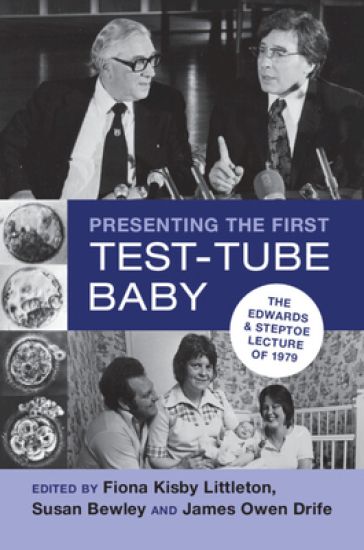
Presenting the First Test-Tube Baby

Presenting the First Test-Tube Baby

Fiona Kisby Littleton; Susan Bewley; James Owen Drife

Cambridge University Press
2023
sidottu
In January 1979, Robert Edwards and Patrick Steptoe delivered a lecture detailing the ten-year clinical and scientific research programme that led to the birth of Louise Brown, the first baby born utilising IVF. This thoroughly-researched book provides both a full annotated transcript of the lecture as well as recorded reminiscences from those who attended, detailing the contemporary understandings of the event. An essay on the lecture's historical context adds fresh insight into the biographies of Edwards and Steptoe and highlights sources from print and broadcast media that have received scant attention in earlier publications. Current and future implications of the advances in IVF since the first procedure are also explored, examining future medical and scientific possibilities as well as ethical issues that may arise. A foreword by Louise Brown herself places this remarkable leap of science in a personal context, one that so many families have since experienced themselves.