Kirjojen hintavertailu – 12 903 725 kirjaa ja 27 kauppaa

Kirjailija

James Paul Gee

Kirjat ja teokset yhdessä paikassa: 30 kirjaa, julkaisuja vuosilta 2004–2026, suosituimpiin kuuluu Multimodalities and Chinese Students’ L2 Practices. Vertaile teosten hintoja ja tarkista saatavuus suomalaisista kirjakaupoista.

30 kirjaa

Kirjojen julkaisuvuodet: 2004–2026.

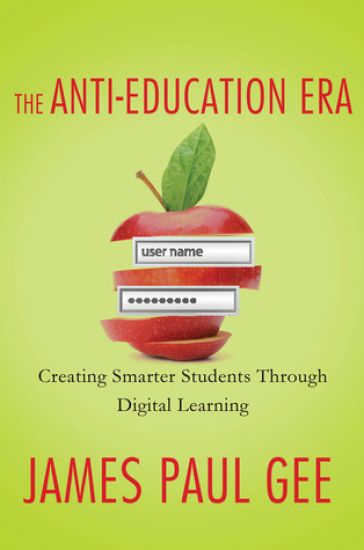
The Anti-Education Era

The Anti-Education Era

James Paul Gee

Palgrave Macmillan
2013
nidottu
For educators and parents of young people today, this book shows the benefits of digital learning and how it can engage children in meaningful learning that will bridge inequality instead of creating more.
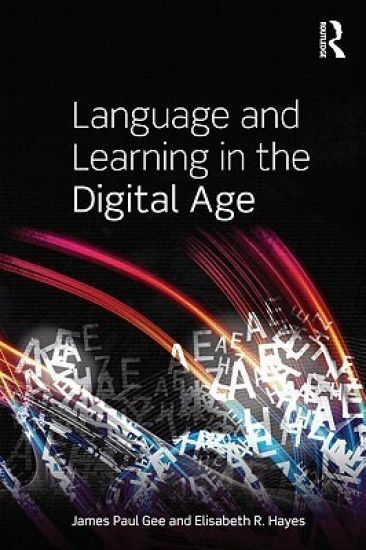
Language and Learning in the Digital Age

Language and Learning in the Digital Age

James Paul Gee; Elisabeth R. Hayes

Routledge
2011
sidottu
In Language and Learning in the Digital Age, linguist James Paul Gee and educator Elisabeth Hayes deal with the forces unleashed by today’s digital media, forces that are transforming language and learning for good and ill. They argue that the role of oral language is almost always entirely misunderstood in debates about digital media. Like the earlier inventions of writing and print, digital media actually power up or enhance the powers of oral language. Gee and Hayes deal, as well, with current digital transformations of language and literacy in the context of a growing crisis in traditional schooling in developed countries. With the advent of new forms of digital media, children are increasingly drawn towards video games, social media, and alternative ways of learning. Gee and Hayes explore the way in which these alternative methods of learning can be a force for a paradigm change in schooling. This is an engaging, accessible read both for undergraduate and graduate students and for scholars in language, linguistics, education, media and communication studies.
Language and Learning in The Digital Age

Language and Learning in The Digital Age

James Paul Gee; Elisabeth R. Hayes

Routledge
2011
nidottu
In Language and Learning in the Digital Age, linguist James Paul Gee and educator Elisabeth Hayes deal with the forces unleashed by today’s digital media, forces that are transforming language and learning for good and ill. They argue that the role of oral language is almost always entirely misunderstood in debates about digital media. Like the earlier inventions of writing and print, digital media actually power up or enhance the powers of oral language. Gee and Hayes deal, as well, with current digital transformations of language and literacy in the context of a growing crisis in traditional schooling in developed countries. With the advent of new forms of digital media, children are increasingly drawn towards video games, social media, and alternative ways of learning. Gee and Hayes explore the way in which these alternative methods of learning can be a force for a paradigm change in schooling. This is an engaging, accessible read both for undergraduate and graduate students and for scholars in language, linguistics, education, media and communication studies.
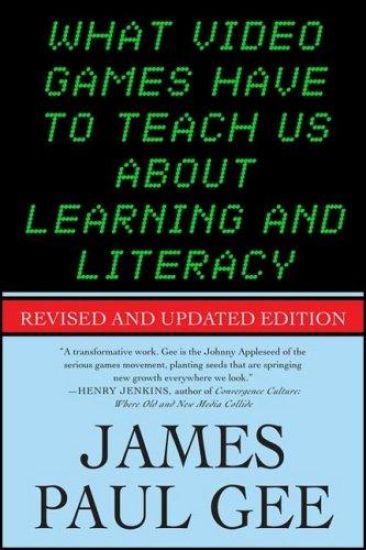
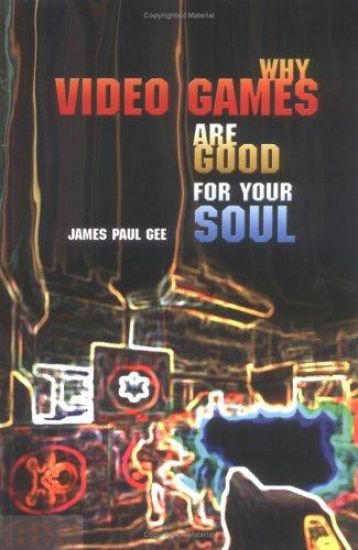
What Video Games Have to Teach Us About Learning and Literacy

What Video Games Have to Teach Us About Learning and Literacy

James Paul Gee

Palgrave Macmillan
2007
nidottu

Halvin toimitettuna 25,00 €

The issue of video games and their harmful/helpful effects on children and young adults is a hot topic. The Hardback sold very well. The book does not shy away from controversy, even finding good news in shooter games vis a vis adolescent cognitive development. "The Observer" newspaper recently called Gee 'One of the worlds leading educational experts'. This title provides a controversial look at the positive things that can be learned from video games by a well known professor of education. James Paul Gee begins his new book with 'I want to talk about video games- yes, even violent video games - and say some positive things about them'. With this simple but explosive beginning, one of America's most well-respected professors of education looks seriously at the good that can come from playing video games. Gee is interested in the cognitive development that can occur when someone is trying to escape a maze, find a hidden treasure and, even, blasting away an enemy with a high-powered rifle. Talking about his own video-gaming experience learning and using games as diverse as Lara Croft and Arcanum, Gee looks at major specific cognitive activities such as: how individuals develop a sense of identity; how one grasps meaning; how one evaluates and follows a command; how one picks a role model; and, how one perceives the world. This is a ground-breaking book that takes up a new electronic method of education and shows the positive upside it has for learning.
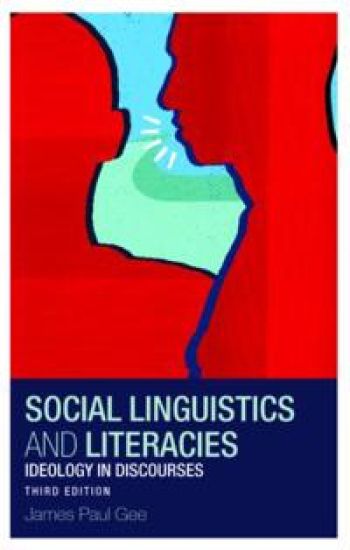
Social Linguistics and Literacies

Social Linguistics and Literacies

James Gee; James Paul Gee

Routledge
2007
nidottu
This fully-updated new edition engages with topics such as orality and literacy, the history of literacy, the uses and abuses of literacy in that history, the analysis of language as cultural communication, and social theories of mind and meaning, among many other topics. It represents the most current statement of a widely discussed and used theory about how language functions in society, a theory initially developed in the first edition of the book, and developed in this new edition in tandem with analytic techniques for the study of language and literacy in context, with special reference to cross-cultural issues in communities and schools. Built around a large number of specific examples, this new edition reflects current debates across the world about education and educational reform, the nature of language and communication, and the role of sociocultural diversity in schools and society. One of the core goals of this book, from its first edition on, has been to develop a new and more widely applicable vision of applied linguistics. It will be of interest to researchers, lecturers and students in education, linguistics, or any field that deals with language, especially in social or cultural terms.
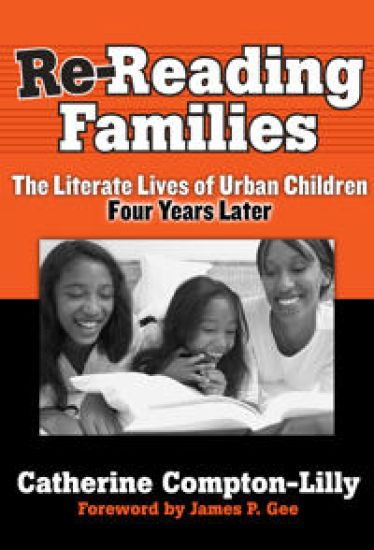
Re-reading Families

Re-reading Families

Catherine Compton-Lilly; James Paul Gee

Teachers' College Press
2007
nidottu
Four years after publishing her provocative study, ""Reading Families: The Literate Lives of Urban Children"", Compton-Lilly revisits the same group of urban students (then first graders, now fourth and fifth graders) and their families. Armed with rare longitudinal data from follow-up interviews and reading assessments, she once again upsets widespread misconceptions about reading and urban families. This eye-opening sequel uses case studies to explore important issues, such as students' feelings of connection to their school; gender and schooling; parents' experiences dealing with ""the system""; high-stakes testing; and technology use at home.
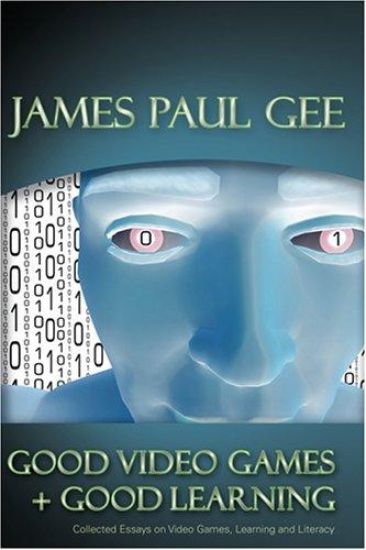
Good Video Games and Good Learning

Good Video Games and Good Learning

James Paul Gee

Peter Lang Publishing Inc
2007
sidottu
This book discusses a broad range of topics concerning video games, learning and literacy. These include the ways games can marry pleasure, learning and mastery through the sense of ownership, agency and control players enjoy when gaming, as well as controversial issues surrounding games. The book explores relationships between values, identity, content and learning, and focuses on how to understand and explain many young people's differential experiences of learning in gaming and schooling respectively.
Situated Language and Learning

Situated Language and Learning

James Paul Gee

Routledge
2004
nidottu
Why do poor and minority students under-perform in school? Do computer games help or hinder learning? What can new research in psychology teach our educational policy-makers? In this major new book, Gee tackles the 'big ideas' about language, literacy and learning, putting forward an integrated theory that crosses disciplinary boundaries, and applying it to some of the very real problems that face educationalists today. Situated Language and Learning looks at the specialist academic varieties of language that are used in disciplines such as mathematics and the sciences. It argues that the language acquisition process needed to learn these forms of language is not given enough attention by schools, and that this places unfair demands on poor and minority students. The book compares this with learning as a process outside the classroom, applying this idea to computer and video games, and exploring the particular processes of learning which take place as a child interacts with others and technology to learn and play. In doing so, Gee examines what video games can teach us about how to improve learning in schools and engages with current debates on subjects such as 'communities of practice' and 'digital literacies'. Bringing together the latest research from a number of disciplines, Situated Language and Learning is a bold and controversial book by a leading figure in the field, and is essential reading for anyone interested in education and language.
Situated Language and Learning

Situated Language and Learning

James Paul Gee

Routledge
2004
sidottu
Why do poor and minority students under-perform in school? Do computer games help or hinder learning? What can new research in psychology teach our educational policy-makers? In this major new book, Gee tackles the 'big ideas' about language, literacy and learning, putting forward an integrated theory that crosses disciplinary boundaries, and applying it to some of the very real problems that face educationalists today. Situated Language and Learning looks at the specialist academic varieties of language that are used in disciplines such as mathematics and the sciences. It argues that the language acquisition process needed to learn these forms of language is not given enough attention by schools, and that this places unfair demands on poor and minority students. The book compares this with learning as a process outside the classroom, applying this idea to computer and video games, and exploring the particular processes of learning which take place as a child interacts with others and technology to learn and play. In doing so, Gee examines what video games can teach us about how to improve learning in schools and engages with current debates on subjects such as 'communities of practice' and 'digital literacies'. Bringing together the latest research from a number of disciplines, Situated Language and Learning is a bold and controversial book by a leading figure in the field, and is essential reading for anyone interested in education and language.