Kirjojen hintavertailu – 12 903 725 kirjaa ja 27 kauppaa

Kirjailija

James R. Robertson

Kirjat ja teokset yhdessä paikassa: 4 kirjaa, julkaisuja vuosilta 2009–2021, suosituimpiin kuuluu A Practical Guide To The Forensic Examination Of Hair. Vertaile teosten hintoja ja tarkista saatavuus suomalaisista kirjakaupoista.

4 kirjaa

Kirjojen julkaisuvuodet: 2009–2021.

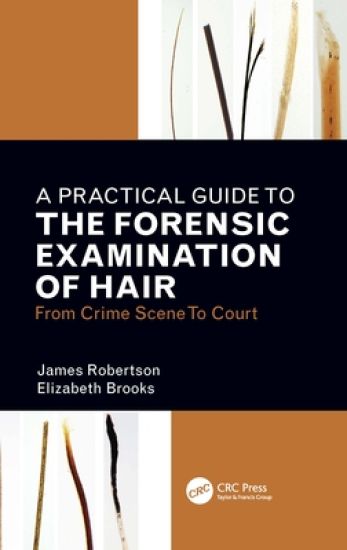
A Practical Guide To The Forensic Examination Of Hair

A Practical Guide To The Forensic Examination Of Hair

James R. Robertson; Elizabeth Brooks

Taylor Francis Ltd
2021
nidottu
A Practical Guide to the Forensic Examination of Hair: From Crime Scene to Court presents current best practices and methodologies for forensic microscopists and trace evidence analysts, in addition to lawyers and judges, to detail the utilisation of hair evidence in court cases. The 30-year evolution and development of forensic DNA analysis has placed very heavy focus on its value in identifying the source of biological materials in other evidence. In addition to some recent controversies over the reliability of hair evidence and analysis, the question arises: what to do with hairs and hair evidence presented in court cases? The reality is that this is a fairly common form of evidence present at, and relevant in, many types of crime scenes and scenarios. Are we to simply ignore hairs as an evidence type? This book outlines the case for hair evidence’s continued relevance as a valuable biological source that can contribute to assisting in answering questions of identity and questions of what happened or the criminalistic potential of hairs. The authors present a four-level approach to the case management of recovered hairs. This system, which can be incorporated into contemporary forensic practice, stresses the need for thorough and systematic recording of hairs and their microscopic features and on the need to focus on differences to effectively triage recovered hairs. The approach focuses on the efficient and accurate selection of hairs for nuclear and mitochondrial DNA analysis while addressing the criminalistic potential of hairs. Key Features: Outlines the latest advances in the collection and forensic hair fibres, and includes full-colour illustrative figures throughout. Covers the advances in DNA extraction and analysis of hair samples including nuclear and mt-DNA testing. Addresses all forensic aspects of hair evidence including recovery, collection, examination, analysis, testing and presentation of such results in court. A Practical Guide to the Forensic Examination of Hair is a practical reference written for practitioners and promotes the need for quality assurance measures, process standardization and proficiency testing to ensure the scientific reliability of hair examination. The book discusses how to interpret and report on hair findings to impart to investigators, and to the broader legal system, the appropriate weight that should be attributed to hair findings. It provides invaluable methodologies and guidelines that reinforce the ongoing value and validity of hair examinations.
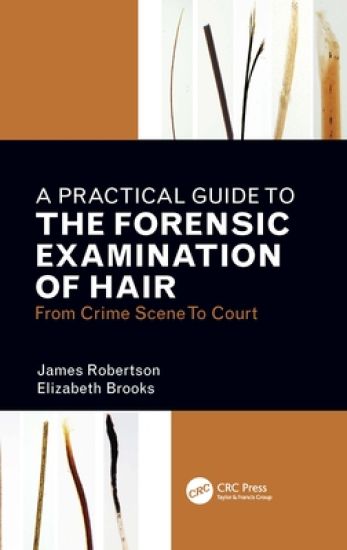
A Practical Guide To The Forensic Examination Of Hair

A Practical Guide To The Forensic Examination Of Hair

James R. Robertson; Elizabeth Brooks

CRC Press
2021
sidottu
A Practical Guide to the Forensic Examination of Hair: From Crime Scene to Court presents current best practices and methodologies for forensic microscopists and trace evidence analysts, in addition to lawyers and judges, to detail the utilisation of hair evidence in court cases. The 30-year evolution and development of forensic DNA analysis has placed very heavy focus on its value in identifying the source of biological materials in other evidence. In addition to some recent controversies over the reliability of hair evidence and analysis, the question arises: what to do with hairs and hair evidence presented in court cases? The reality is that this is a fairly common form of evidence present at, and relevant in, many types of crime scenes and scenarios. Are we to simply ignore hairs as an evidence type? This book outlines the case for hair evidence’s continued relevance as a valuable biological source that can contribute to assisting in answering questions of identity and questions of what happened or the criminalistic potential of hairs. The authors present a four-level approach to the case management of recovered hairs. This system, which can be incorporated into contemporary forensic practice, stresses the need for thorough and systematic recording of hairs and their microscopic features and on the need to focus on differences to effectively triage recovered hairs. The approach focuses on the efficient and accurate selection of hairs for nuclear and mitochondrial DNA analysis while addressing the criminalistic potential of hairs. Key Features: Outlines the latest advances in the collection and forensic hair fibres, and includes full-colour illustrative figures throughout. Covers the advances in DNA extraction and analysis of hair samples including nuclear and mt-DNA testing. Addresses all forensic aspects of hair evidence including recovery, collection, examination, analysis, testing and presentation of such results in court. A Practical Guide to the Forensic Examination of Hair is a practical reference written for practitioners and promotes the need for quality assurance measures, process standardization and proficiency testing to ensure the scientific reliability of hair examination. The book discusses how to interpret and report on hair findings to impart to investigators, and to the broader legal system, the appropriate weight that should be attributed to hair findings. It provides invaluable methodologies and guidelines that reinforce the ongoing value and validity of hair examinations.

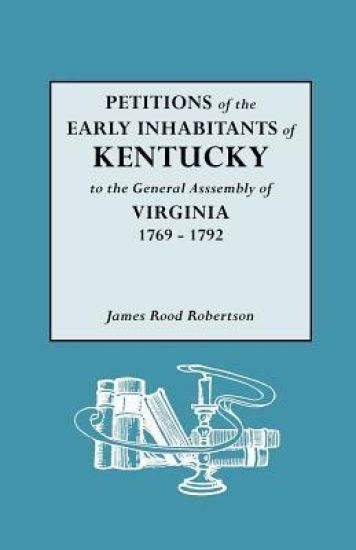
Petitions of the Early Inhabitants of Kentucky to the General Assembly of Virginia, 1769-1792.
By: James R. Robertson & John F. Dorman, Pub. 1914, Reprinted 2019, 326 pages, Index, ISBN #0-89308-206-6. Robertson's petitions are verbatim transcripts of the text of 110 petitions between 1769 and 1831 relating to the earliest settlers, together with a lists of the persons who signed the petitions keyed to the petition number. An index covers names and subjects mentioned in the petitions. A 44 page addendum section containing additional petitions of Kentuckians to the Virginia Legislature has been included. This additional section was taken from "The Kentucky Genealogists" and prepared by Mr. John Frederick Dorman, F. A. S. G.. The NEW FULL NAME INDEX that was produced for this addendum section mentions approximately 2,250 individuals.