
Kirjailija
James Reid
Kirjat ja teokset yhdessä paikassa: 37 kirjaa, julkaisuja vuosilta 2000–2027, suosituimpiin kuuluu The Academica of Cicero. Vertaile teosten hintoja ja tarkista saatavuus suomalaisista kirjakaupoista.
37 kirjaa
Kirjojen julkaisuvuodet: 2000–2027.
Reprint of the original, first published in 1874.
Reprint of the original, first published in 1874.
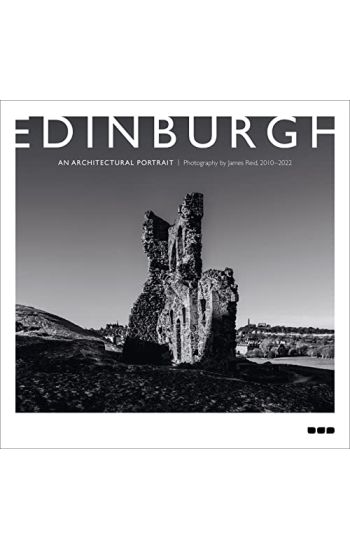
Edinburgh: An Architectural Portrait features an inspiring portfolio of imagery created over a ten-year period by the photographer and visual artist James Reid. Documenting the City of Edinburgh using digital, analogue and polaroid formats, the book captures the city’s main conservation areas, with an emphasis on key architects, listed buildings and distinct aspects of the cityscape. Presented as a beautiful collection of black-and-white images, along with a handful of colour works, the book’s digital images are a mixture of full-frame capture and large-scale composite pieces, along with a selection of 35mm analogue single-frame photography. These include panoramic views as well as more intimate perspectives, made possible by Reid’s unique access to the city’s various buildings and structures of note. The book also features essays by five established Edinburgh-based artists – Aly Gordon (painter), Bruce Hare (artist and architect), Marianne Magnin (artist and curator), Merlin Ramos (painter) and Henry Stevens (artist and architect) – each of whom offers a personally informed response to the city and how its architecture, art and history inform, influence and impact on them. The resulting publication is a unique visual mapping of the city’s most architecturally significant areas that will appeal to not only architects, artists and academics, but also residence of and visitors to one of the world’s most architecturally rich capitals of culture.
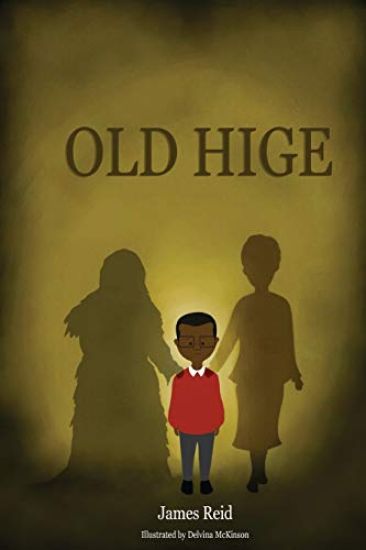
As children, we fear the darkness. It holds mysteries and dangers that we are not aware of and brings our greatest fears into reality. For Caleb a young eight-year-old boy his fears come to light in his nightmares, appearing as the evil duppy Old Hige, an evil ghost that steals children away in the night. For Caleb Old Hige represents everything in which he fears, such as solitude, being unwanted and death. Everything that occurs in Caleb's life Old Hige distorts in his nightmares, forcing him to challenge the things in which he fears most.
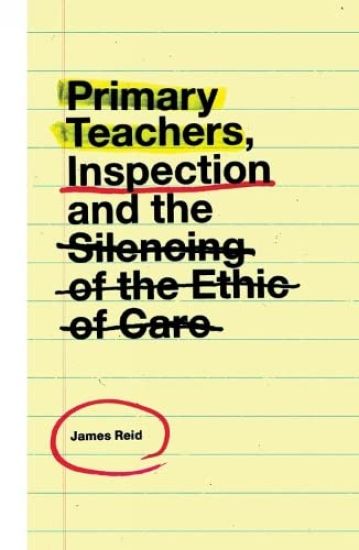
Primary Teachers, Inspection and the Silencing of the Ethic of Care
James Reid
Emerald Publishing Limited
2018
sidottu
This book offers a unique and critical explication of teachers' understanding and experience of care during a period of regulatory scrutiny and 'notice to improve'. Written following research in a primary school in the north of England, it draws on the findings of an institutional ethnography to reveal the institutional mediation of the teachers' everyday work. Written from a critical interpretivist standpoint, the focus moves away from care as essentialist practice by foregrounding the teachers' talk, through 'I' poems, to explicate the political mediation of care. Care is understood, experienced and operates in a social milieu. It is not fixed and, importantly, is not understood as a practice or an emotional exchange between one person and another. In this book, Joan Tronto's (1993) argument for a 'political ethic of care' is utilised as a conceptual framework for understanding teachers' experiences. It is an alternative to approaches that individualise a teacher's caring practices as only belonging in the intimate, proximal domains of care giving and care receiving.
Formal Christians and Secession From Them Consider'd; Being a Sermon Preach'd on 2 Tim. 3. 5. at the Opening of a Synod at Belfast, January 6. 1718-19. Wherein the Form and Power of Godliness, are in Part Explain'd; ... By James Reid,
James Reid
Gale Ecco, Print Editions
2018
sidottu
The 18th century was a wealth of knowledge, exploration and rapidly growing technology and expanding record-keeping made possible by advances in the printing press. In its determination to preserve the century of revolution, Gale initiated a revolution of its own: digitization of epic proportions to preserve these invaluable works in the largest archive of its kind. Now for the first time these high-quality digital copies of original 18th century manuscripts are available in print, making them highly accessible to libraries, undergraduate students, and independent scholars. The Age of Enlightenment profoundly enriched religious and philosophical understanding and continues to influence present-day thinking. Works collected here include masterpieces by David Hume, Immanuel Kant, and Jean-Jacques Rousseau, as well as religious sermons and moral debates on the issues of the day, such as the slave trade. The Age of Reason saw conflict between Protestantism and Catholicism transformed into one between faith and logic -- a debate that continues in the twenty-first century.++++The below data was compiled from various identification fields in the bibliographic record of this title. This data is provided as an additional tool in helping to insure edition identification: ++++National Library of ScotlandT183161Belfast: printed by Robert Gardner, and are to be sold at his shop, 1729. 36,122, 2]p.; 8
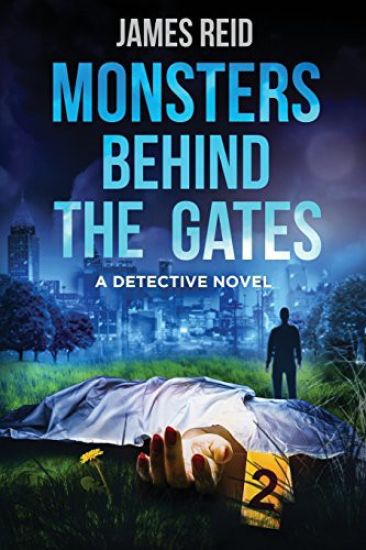
With a personal life falling apart, Atlanta homicide detective Jeff Strickland is going through the motions. Numb to the murders he investigates, when a bludgeoned body is discovered in a field, he expects it to be another routine killing. To his horror, the victim is the teenaged daughter of his close friends. Strickland saw Kanya as the daughter he never had. Like many teens, she was attracted to the city's streets, but he never imagined she would meet such a violent death. Desperate to find her killer, he breaks department rules and throws himself into the case, uncovering multiple plots, motives, and lies. Was it a love affair gone wrong? A scheme striking her prominent family? Or something else? Frustrated by a lack of evidence and with Kanya's killer targeting him, Strickland must uncover the truth before he becomes the next victim. But as circumstances unfold and lives begin to unravel, he might find answers that he didn't want.

These messages come from Richard and other beautiful beings who are spirits living in the Celestial Realms. This communication is the beginning of an ongoing dialogue in which the Celestial Spirits provide us with loving and gentle guidance for living in this world, for accessing Divine Love and for developing our personal relationship with God.



Formal Christians and Secession from Them Consider'd; Being a Sermon Preach'd on 2 Tim. 3. 5. at the Opening of a Synod at Belfast, January 6. 1718-19. Wherein the Form and Power of Godliness, Are in Part Explain'd; ... by James Reid, ...
James Reid
Gale Ecco, Print Editions
2010
pokkari

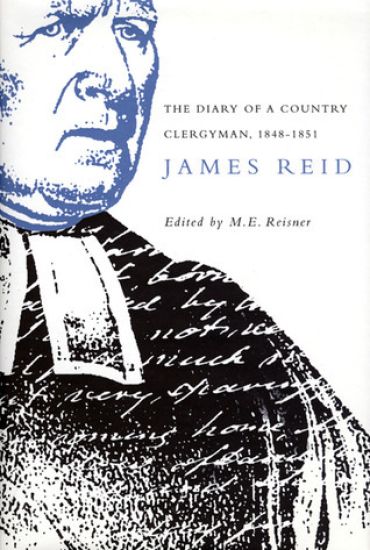
A crusty yet diffident Scot, James Reid began his career as a sectarian evangelical missionary. The diary finds him thirty years later as a moderate, if conservative, Anglican clergyman. Through this remarkable document, village routines and intrigues, as well as Reid's circle of friends and his clerical colleagues, come vividly to life. His private reflections on the tensions and growing pains experienced by the colonial church at a formative stage in its evolution, and his reaction to events on the wider political scene, give us valuable insights into his life and the times. Reid was a man of considerable complexity and his foibles and vanities are apparent in his narrative. The glimpses of his home life shed much light on gender relations and the history of the family. The diary has been edited and annotated by M. E. Reisner, who provides the background to Reid's narrative. Her informative biographical sketches, collected in an appendix, shed further light on representative local figures and the community dynamics of his town. The Diary of a Country Clergyman will be of interest to the general reader and social historian alike.

Qu'est-ce Que La Reconciliation?

What Is Reconciliation?