Kirjojen hintavertailu – 12 903 725 kirjaa ja 27 kauppaa
Kirjailija
James Sanders
Kirjat ja teokset yhdessä paikassa: 10 kirjaa, julkaisuja vuosilta 1999–2023, suosituimpiin kuuluu Hypoxia in the Northern Gulf of Mexico. Vertaile teosten hintoja ja tarkista saatavuus suomalaisista kirjakaupoista.
Virginia H. Dale; Catherine L. Kling; Judith L. Meyer; James Sanders; Holly Stallworth; Thomas Armitage; David Wangsness; Thomas Bianchi; Alan Blumberg; Walter Boynton; Daniel J. Conley; William Crumpton; Mark David; Denis Gilbert; Robert W. Howarth; Richard Lowrance; Kyle Mankin; James Opaluch; Hans Paerl; Kenneth Reckhow; Andrew N. Sharpley; Thomas W. Simpson; Clifford S. Snyder; Donelson Wright
Since 1985, scientists have been documenting a hypoxic zone in the Gulf of Mexico each year. The hypoxic zone, an area of low dissolved oxygen that cannot s- port marine life, generally manifests itself in the spring. Since marine species either die or ee the hypoxic zone, the spread of hypoxia reduces the available habitat for marine species, which are important for the ecosystem as well as commercial and recreational shing in the Gulf. Since 2001, the hypoxic zone has averaged 2 1 16,500 km during its peak summer months , an area slightly larger than the state 2 2 of Connecticut, and ranged from a low of 8,500 km to a high of 22,000 km . To address the hypoxia problem, the Mississippi River/Gulf of Mexico Watershed Nutrient Task Force (or Task Force) was formed to bring together represen- tives from federal agencies, states, and tribes to consider options for responding to hypoxia. The Task Force asked the White House Of ce of Science and Technology Policy to conduct a scienti c assessment of the causes and consequences of Gulf hypoxia through its Committee on Environment and Natural Resources (CENR).

Virginia H. Dale; Catherine L. Kling; Judith L. Meyer; James Sanders; Holly Stallworth; Thomas Armitage; David Wangsness; Thomas Bianchi; Alan Blumberg; Walter Boynton; Daniel J. Conley; William Crumpton; Mark David; Denis Gilbert; Robert W. Howarth; Richard Lowrance; Kyle Mankin; James Opaluch; Hans Paerl; Kenneth Reckhow; Andrew N. Sharpley; Thomas W. Simpson; Clifford S. Snyder; Donelson Wright
Since 1985, scientists have been documenting a hypoxic zone in the Gulf of Mexico each year. The hypoxic zone, an area of low dissolved oxygen that cannot s- port marine life, generally manifests itself in the spring. Since marine species either die or ee the hypoxic zone, the spread of hypoxia reduces the available habitat for marine species, which are important for the ecosystem as well as commercial and recreational shing in the Gulf. Since 2001, the hypoxic zone has averaged 2 1 16,500 km during its peak summer months , an area slightly larger than the state 2 2 of Connecticut, and ranged from a low of 8,500 km to a high of 22,000 km . To address the hypoxia problem, the Mississippi River/Gulf of Mexico Watershed Nutrient Task Force (or Task Force) was formed to bring together represen- tives from federal agencies, states, and tribes to consider options for responding to hypoxia. The Task Force asked the White House Of ce of Science and Technology Policy to conduct a scienti c assessment of the causes and consequences of Gulf hypoxia through its Committee on Environment and Natural Resources (CENR).
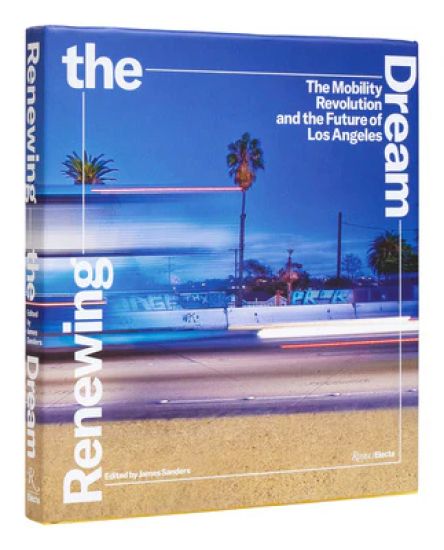
California, once the epitome of car culture, is now leading the green movement, transitioning away from the combustible engine and to some extent the car and having to rethink how we live, as this extraordinary urban planning manifesto explores. Drawing together original research, design studies, and cultural essays, Renewing the Dream offers the first comprehensive look at the changes remaking the mobility landscape of Southern California and the opportunities to reappropriate vast tracts of the city for new uses. Edited by James Sanders and produced with the global architecture studio Woods Bagot, this book explores the forces propelling this shift as well as its controversial impact on Los Angeles, as a city once famed for its car-oriented, low-rise landscape is transformed into a more diverse, more dense, more complex place. This many-sided portrait offers essays by a distinguished group of writers, designs for the city s future, and studies of how the new mobility might allow areas now dedicated to parking and gas stations to be reimagined. Rounding out its portrait are historic photographs, maps, Hollywood images, and the artwork of David Hockney, Catherine Opie, Ed Ruscha, Wayne Thiebaud, Carlos Almaraz, and stills from La La Land to Chinatown. The book is a thought piece on the future of American cities, with lessons that will carry resonance all around the globe.
A revised and expanded edition of the landmark, ravishing history of New York City--the companion volume to the acclaimed PBS series--that begins in 1624 and brings its 400-year-long story up to the current moment. This edition of the biography of this great and ever-evolving city includes two new chapters that deliver a sweeping portrait of New York since September 11, 2001. Here is the city at the dawn of the 21st century, having emerged from decades of decline to assert its place at the very center of a new globalized culture. Yet, here too is a city challenged--indeed, sometimes shaken to its core--by a series of profound crises: the aftermath of 9/11, the continual struggle with racial injustice, the financial crisis of 2008, the devastation of Superstorm Sandy, the still unfolding cataclysm of the COVID-19 pandemic. Also brought up to date in the new chapters is the lively portrait of the city's vibrant street life and culture: the birth of hip-hop in the South Bronx, Christo and Jeanne-Claude's Gates in Central Park, the celebrated Broadway musicals and songs, the explosion in location filmmaking, the pivotal rise of the tech industry, and so much more. The history of this city--especially in the tumultuous and transformative two decades covered by the new chapters--is an epic story of rebirth and growth, of dramatic physical and economic change and exploding cultural energy, intertwined with staggering episodes of catastrophe and challenge. It is the story of an incomparable place, told in an incomparable book.
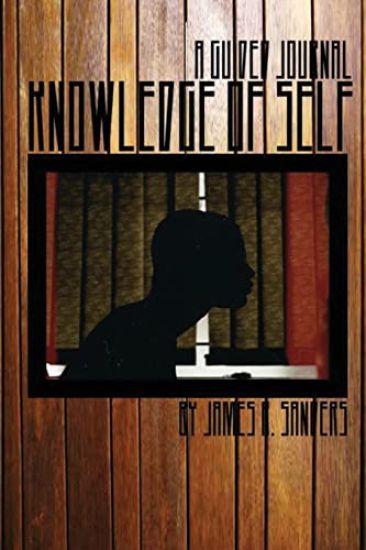
From Breonna, Jacob, and Floyd now - to Tamir, Sandra, and Philando then; so much has happened. And justice in the Black community is still a limited commodity. Being Black, living, and living abundantly is revolutionary. But how does one write about the experience? If knowledge of self, history, and lineage get taken from a people, their failure is inevitable. This nation, threaded in its original sin of slavery, cannot ignore the heired injustices that plague every part of life in which we live. In this, there is no peace without justice. What do Black people do, when we need something, and it doesn't exist? That's the circumstance from which this journal was created. Through writing prompts, affirmations, quotes, mixtapes, and book lists - I take you through truth, healing, power, and faith. Being Black isn't easy, but in the iconic words of Keith Murray, it's "the most beautifullest thing in this world."
This book studies the Anglo-American media's representation of South Africa in the 1970s - the international media is shown to have been under continuous pressure from both the South African Dept of Information and the anti-apartheid movement.