
Kirjojen hintavertailu – 12 859 829 kirjaa ja 27 kauppaa

Kirjailija

James Staples

Kirjat ja teokset yhdessä paikassa: 3 kirjaa, julkaisuja vuosilta 2014–2020, suosituimpiin kuuluu Sacred Cows and Chicken Manchurian. Vertaile teosten hintoja ja tarkista saatavuus suomalaisista kirjakaupoista.

3 kirjaa

Kirjojen julkaisuvuodet: 2014–2020.

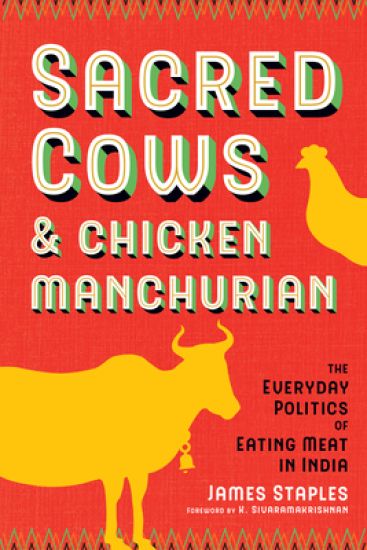
Sacred Cows and Chicken Manchurian

Sacred Cows and Chicken Manchurian

James Staples; K. Sivaramakrishnan

University of Washington Press
2020
pokkari
Challenges popular generalizations about cow protection and beef consumptionBovine politics exposes fault lines within contemporary Indian society, where eating beef is simultaneously a violation of sacred taboos, an expression of marginalized identities, and a route to cosmopolitan sophistication. The recent rise of Hindu nationalism has further polarized traditional views: Dalits, Muslims, and Christians protest threats to their beef-eating heritage while Hindu fundamentalists rally against those who eat the sacred cow. Yet close observation of what people do and do not eat, the styles and contexts within which they do so, and the disparities between rhetoric and everyday action overturns this simplistic binary opposition. Understanding how a food can be implicated in riots, vigilante attacks, and even murders demands that we look beyond immediate politics to wider contexts. Drawing on decades of ethnographic research in South India, James Staples charts how cattle owners, brokers, butchers, cooks, and occasional beef eaters navigate the contemporary political and cultural climate. Sacred Cows and Chicken Manchurian offers a fine-grained exploration of the current situation, locating it within the wider anthropology of food and eating in the region and revealing critical aspects of what it is to be Indian in the early twenty-first century.
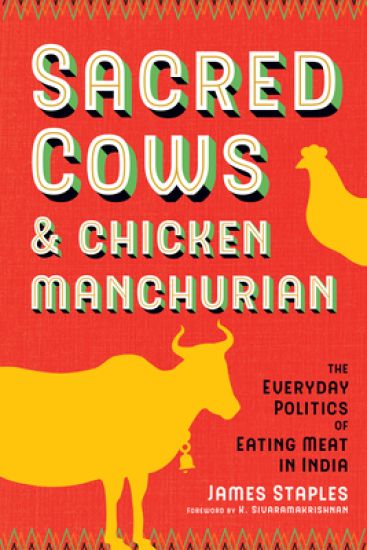
Sacred Cows and Chicken Manchurian

Sacred Cows and Chicken Manchurian

James Staples; K. Sivaramakrishnan

University of Washington Press
2020
sidottu
Challenges popular generalizations about cow protection and beef consumptionBovine politics exposes fault lines within contemporary Indian society, where eating beef is simultaneously a violation of sacred taboos, an expression of marginalized identities, and a route to cosmopolitan sophistication. The recent rise of Hindu nationalism has further polarized traditional views: Dalits, Muslims, and Christians protest threats to their beef-eating heritage while Hindu fundamentalists rally against those who eat the sacred cow. Yet close observation of what people do and do not eat, the styles and contexts within which they do so, and the disparities between rhetoric and everyday action overturns this simplistic binary opposition. Understanding how a food can be implicated in riots, vigilante attacks, and even murders demands that we look beyond immediate politics to wider contexts. Drawing on decades of ethnographic research in South India, James Staples charts how cattle owners, brokers, butchers, cooks, and occasional beef eaters navigate the contemporary political and cultural climate. Sacred Cows and Chicken Manchurian offers a fine-grained exploration of the current situation, locating it within the wider anthropology of food and eating in the region and revealing critical aspects of what it is to be Indian in the early twenty-first century.
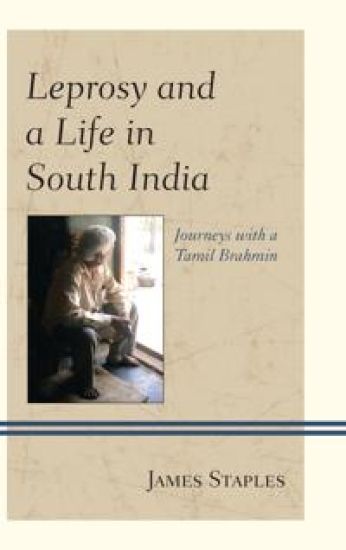
Leprosy and a Life in South India

Leprosy and a Life in South India

James Staples

Lexington Books
2014
sidottu
Drawing on solid ethnographic fieldwork as well as many hours of interviews, Leprosy and a Life in South India: Journeys with a Tamil Brahmin tells the life story of Das, a Tamil Brahmin born in the newly post-colonial India of the early 1950s. After being diagnosed with leprosy, Das spent over a decade on the streets of Bombay and Madras, learning to survive as an unofficial station porter, hotel bellhop, and sometimes tourist guide. He won and lost fortunes on horses, he gambled, and he learned firsthand of the pleasures to be had in Bombay’s red light district. But for all the joy that comes through so vividly in his account, Das’s story unfolds against a backdrop of everyday violence and hardship. Re-investigated through the prism of an individual life, what are often presented as the rigid social categories of caste, religion and kinship come to be seen in fresh new ways. Through this life history account, Leprosy in South India captures all this in ways conventional accounts do not, offering a unique take on what it is to be an Indian in contemporary India.