Kirjojen hintavertailu – 12 903 724 kirjaa ja 27 kauppaa
Kirjailija
James Stubbs
Kirjat ja teokset yhdessä paikassa: 5 kirjaa, julkaisuja vuosilta 2012–2016, suosituimpiin kuuluu The 1PG Compendium. Vertaile teosten hintoja ja tarkista saatavuus suomalaisista kirjakaupoista.
Taxicabs in major U. S. cities make an interesting study. They are always regulated but the regulations vary widely. Metro Washington D. C. is comprised of the District of Columbia surrounded by two states ( Maryland and Virginia) and each of the three has its' own regulations for cabs. Because it's our nation's capitol and involves three entities, it makes one of the more interesting studies. Washington, and its Maryland and Virginia suburbs, had a combined " zone overlay" for calculating fares instead of meters (rare in U. S. cities). This further adds to the interest in the area. Cab Driving was my ticket to college. There was much driving ( most of it in traffic), long hours, and hard work. Most was routine, but there were adventures, and many of the war-related ones are found in a previous book "The War at Home" ( May 2012). The book covers just about every sector of wartime conditions on the World War II home front and there is an important section on cab-driving. Most of the material in the book won't be read elsewhere and much of it will bring surprise. There were also good cab-driving stories not related to the war, and they are found here.
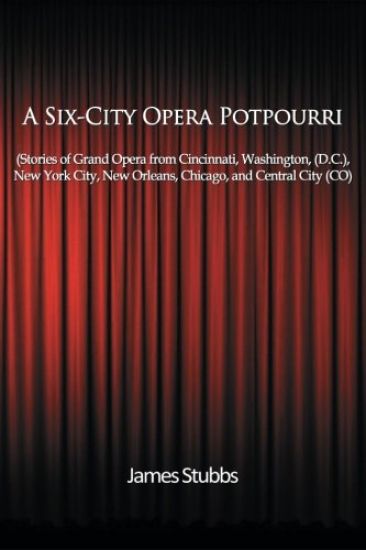
Flashbacks are not uncommon in books and movies. Flash-forwards are less common. This description of "A Six-City Opera Potpourri" begins with the final two paragraphs of the book, which constitutes a flash-forward. If you would like to know how opera has reached this point, or disagree with its portrayal, the book will be of interest. Here are the closing paragraphs. Details are in the book. "Changes have crept into the opera world since the six-city tour ended. They have accelerated since 2000 and some are startling. Just using the small sample of operas I've chosen to review and discuss proves the point. "The Nose" set uses a backdrop that for all the world resembles a "Movietone newsreel" from the late 1920's to the '60's. In the Met's new production of "The Barber of Seville" we are brought right up to the present when Figaro throws open the huge doors of his traveling barber shop and surprises two homosexuals kissing. In the Royal Opera House' "Faust", we are transported from Gounod's beautiful French countryside to the dingy, dark, stone streets and buildings of Paris. In ACT IV we see Mephistopheles in drag wearing a black dress with sequins and a tiara. There is a sexually explicit routine at the end of the ballet. The Met's new "Rigoletto" is a Michael Mayer production of Verdi's opera moved ahead centuries in time to a Las Vegas casino in 1960. It depicts (the) "Duke" as a cocaine-snorting lounge singer. The previous paragraphs describe, in some detail, Willy Decker's "La Traviata", which is solidly in the group of departures from the composer's intent. This one may be the "gold standard". These people design and produce operas but they aren't opera people. They're Chagall, Warhol, and Picasso people. Peter Gelb, General Manager of the Metropolitan Opera Company, speaks against going back to the "stone Ages of opera theater". These "stone ages" are the years that the opera world has named "The Golden Age of Opera".
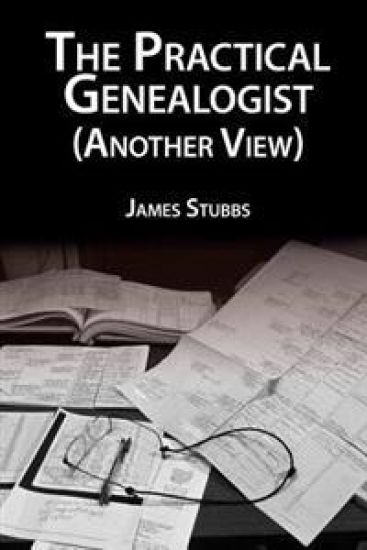
Genealogy with a slant...the author began genealogical research in 1951 while in graduate school at Columbia University. A recent review of several months concerning the present state of the field of genealogy has prompted the book. That things would be very different now is obvious and expected. That the changes would be so far-reaching was unexpected. The appearance of computers, the internet, and other technologies has greatly accelerated the changes. A major thesis of these pages is that the resultant changes have not all been good ones. "The Practical Genealogist" attempts to review, reiterate, and reinforce the sound, basic rules of genealogical research. It's a result of a survey of the myriad of new resources and tools currently available. Technology means speed New software and hardware are getting faster and faster but genealogy doesn't lend itself to a "rush-rush" approach. Although touted by the hi-tech companies, speed isn't necessarily a good thing. If left in its proper place as a tool in genealogical research, and not as its most important element, technology can give the work a real boost. Technological advances improve the implementation of the basics but can't replace them. Increased speed in the handling of data results in a more rapid and widespread disbursement of bad data as well as the good. It can distort and blur the results. In genealogy there are efficiencies but no shortcuts. This book should show the route to quality genealogies. Its overriding theme: "Fundamentals remain at the core".