Kirjojen hintavertailu – 12 874 322 kirjaa ja 26 kauppaa

Kirjailija

James Suzman

Kirjat ja teokset yhdessä paikassa: 7 kirjaa, julkaisuja vuosilta 2019–2022, suosituimpiin kuuluu Work. Vertaile teosten hintoja ja tarkista saatavuus suomalaisista kirjakaupoista.

7 kirjaa

Kirjojen julkaisuvuodet: 2019–2022.

Työn historia

Työn historia

James Suzman

SKS Kirjat
2022
sidottu

Halvin toimitettuna 24,50 €

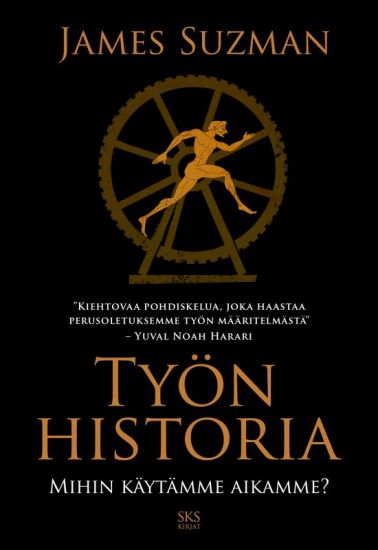
Miksi oikein teemme enemmän työtä kuin koskaan aiemmin, vaikka maailma on täynnä yltäkylläisyyttä? Miltä maailma näytti, kun yhteiskunnan tärkein asia ei ollut työ? Antropologi James Suzmanin huippukiinnostava teos selvittää ihmisen ja työn historiaa eri näkökulmista oivaltavalla ja helposti käsitettävällä tavalla. Kirja onnistuu haastamaan monia perusolettamuksiamme siitä, keitä me oikeastaan olemme. Elämme yltäkylläisyyden maailmassa, mutta miksi silti teemme enemmän työtä kuin koskaan aiemmin? Työ määrittelee keitä olemme ja miten käytämme aikamme, se muokkaa kehomme ja arvojemme lisäksi ympäristöämme ja aikakäsitystämme. Mutta suhtautuivatko myös esihistorialliset esivanhempamme työhön tällä tavalla? Millainen oli maailma, jossa työ ei ollut yhteiskunnan tärkein asia - ja voiko sen saada takaisin? Antropologi James Suzman kartoittaa kirjassaan ihmisen ja työn historiaa ammentaen oivalluksia niin arkeologiasta ja evoluutiobiologiasta kuin fysiikasta ja taloustieteestä. Ihmiskunnan alkuhämäristä maanviljelyn synnyn ja teollistumisen kautta tulevaisuuteen ulottuva matka haastaa samalla monet perusolettamuksemme siitä, keitä me lajina olemme. ”Kun automaatio mitä ilmeisemmin mullistaa tyystin globaalit työmarkkinat, on kiire miettiä uudelleen työn taloudellista, psyykkistä ja jopa hengellistä merkitystä. Tutkimalla metsästäjä-keräilijöiden, ihmisapinoiden ja jopa lintujen elämää Suzman osoittaa, että se, mitä me pidämme 'luonnollisena', on usein pelkkää teollisuusgurujen ja maataloususkontojen kyseenalaista perintöä. Tutustumalla siihen, miten olemme menneisyydessä käyttäneet aikaamme, me toivottavasti saamme edellytykset tehdä viisaampia ratkaisuja tulevaisuudessa.” – Yuval Noah Harari

Work: A Deep History, from the Stone Age to the Age of Robots

Work: A Deep History, from the Stone Age to the Age of Robots

James Suzman

PENGUIN BOOKS
2022
nidottu

Halvin toimitettuna 20,50 €

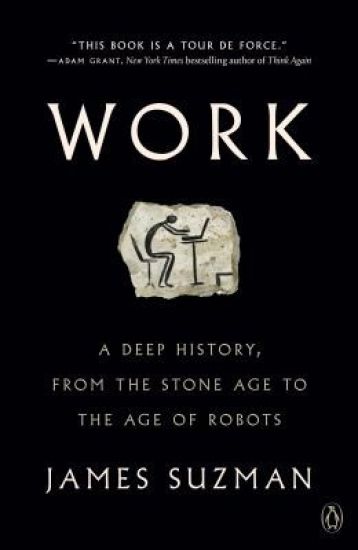
"This book is a tour de force." --Adam Grant, New York Times bestselling author of Give and Take A revolutionary new history of humankind through the prism of work by leading anthropologist James Suzman Work defines who we are. It determines our status, and dictates how, where, and with whom we spend most of our time. It mediates our self-worth and molds our values. But are we hard-wired to work as hard as we do? Did our Stone Age ancestors also live to work and work to live? And what might a world where work plays a far less important role look like? To answer these questions, James Suzman charts a grand history of "work" from the origins of life on Earth to our ever more automated present, challenging some of our deepest assumptions about who we are. Drawing insights from anthropology, archaeology, evolutionary biology, zoology, physics, and economics, he shows that while we have evolved to find joy, meaning and purpose in work, for most of human history our ancestors worked far less and thought very differently about work than we do now. He demonstrates how our contemporary culture of work has its roots in the agricultural revolution ten thousand years ago. Our sense of what it is to be human was transformed by the transition from foraging to food production, and, later, our migration to cities. Since then, our relationships with one another and with our environments, and even our sense of the passage of time, have not been the same. Arguing that we are in the midst of a similarly transformative point in history, Suzman shows how automation might revolutionize our relationship with work and in doing so usher in a more sustainable and equitable future for our world and ourselves.
Arbete : en historik över vad vi gör med vår tid

Arbete : en historik över vad vi gör med vår tid

James Suzman

Natur Kultur Allmänlitteratur
2021
sidottu
Vårt arbete ger oss mening, formar våra värderingar, avgör vår sociala status och styr hur vi tillbringar vår tid. Men så har det inte alltid varit: under 95% av vår arts historia har arbete haft en helt annan betydelse. Hur kommer det sig då att arbete är den centrala principen för hur vi organiserar våra samhällen? Och varför arbetar vi mer än någonsin när vi samtidigt lever i exempellöst överflöd? I Arbete – en historik över vad vi gör med vår tid tecknar den brittiska antropologen James Suzman arbetets historia. Han visar på de milstolpar som varit avgörande för vår nutida syn på arbete, från jordbrukets uppkomst för 12 000 år sedan till den industriella revolutionen, och pekar på den revolution vi är mitt uppe i: den digitala. På ett levande och infallsrikt sätt ställer Suzman de grundläggande frågorna om hur vi vill leva och arbeta i en föränderlig värld."--- personligt och intresseväckande om människan som varelse, från vårt ursprung till i dag, utifrån forskarrön och reflexioner som också tangerar vår tids stora frågor om arbetets roll och betydelse i ett alltmer automatiserat och robotiserat samhälle.""---fascinerande och välskriven---"BTJ”En fascinerande undersökning som utmanar våra grundläggande antaganden om vad arbete betyder… Att känna till historien om vad vi gjort med vår tid kommer förhoppningsvis hjälpa oss att göra mer medvetna val i framtiden.” Yuval Noah Harari
Work

Work

James Suzman

Bloomsbury Publishing PLC
2021
nidottu

Halvin toimitettuna 18,70 €

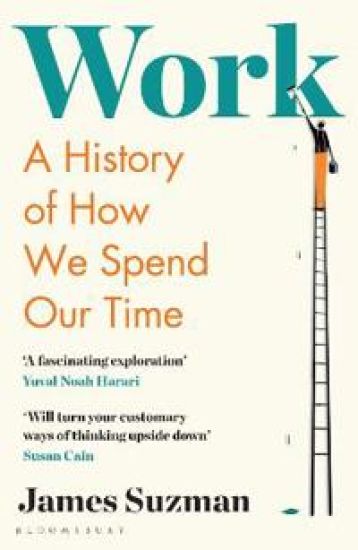
_______________‘A fascinating exploration that challenges our basic assumptions of what work means' - Yuval Noah Harari'There is eminently underlinable stuff on most pages ... Fascinating' - The Times'One of those few books that will turn your customary ways of thinking upside down' - Susan Cain'Illuminating' - New Statesman_______________A revolutionary new history of humankind through the prism of work, from the origins of life on Earth to our ever more automated presentThe work we do brings us meaning, moulds our values, determines our social status and dictates how we spend most of our time. But this wasn’t always the case: for 95% of our species’ history, work held a radically different importance. How, then, did work become the central organisational principle of our societies? How did it transform our bodies, our environments, our views on equality and our sense of time? And why, in a time of material abundance, are we working more than ever before?
Affluence Without Abundance

Affluence Without Abundance

James Suzman

Bloomsbury Publishing PLC
2019
nidottu
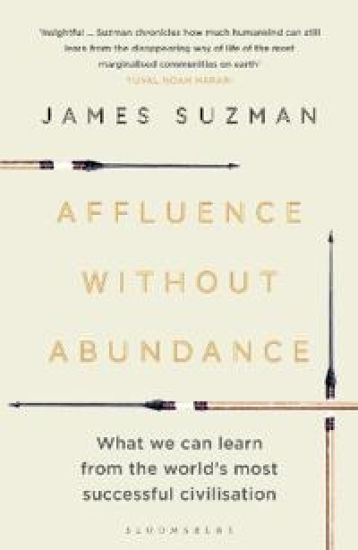
_______________‘Insightful ... Avoiding both modern conceits and romantic fantasies, Suzman chronicles how economics and politics have finally conquered some of the last outposts of hunter-gatherers, and how much humankind can still learn from the disappearing way of life of the most marginalized communities on earth.' - Yuval Noah Harari, author of Sapiens and Homo Deus'Fascinating' - Sunday Times'Elegant and absorbing' - Financial Times'Profoundly moving' - Irish Times_______________From acclaimed anthropologist James Suzman, a portrait of the 'original affluent society' – the Bushmen of southern Africa – and what their way of life can teach us today. What can we learn from the Bushmen? If the success of a civilisation is measured by its endurance over time, then the Bushmen of the Kalahari are by far the most successful in human history. Anthropologist James Suzman spent twenty-five years in Southern Africa documenting their way of life and encounters with modern society, gathering invaluable lessons about work, wealth, happiness, equality and time.'To know what it is like to live as people lived for most of human history, you would have to find one of the places where traditional hunting-and-gathering practices are still alive…Fortunately for us, the anthropologist James Suzman did exactly that…The news here is that the lives of most of our progenitors were better than we think. We’re flattering ourselves by believing that their existence was so grim and that our modern, civilized one is, by comparison, so great.' - John Lancaster, The New Yorker