Kirjojen hintavertailu – 12 859 828 kirjaa ja 27 kauppaa

Kirjailija

James W. Endersby

Kirjat ja teokset yhdessä paikassa: 6 kirjaa, julkaisuja vuosilta 2016–2025, suosituimpiin kuuluu Ranked Choice Voting. Vertaile teosten hintoja ja tarkista saatavuus suomalaisista kirjakaupoista.

6 kirjaa

Kirjojen julkaisuvuodet: 2016–2025.

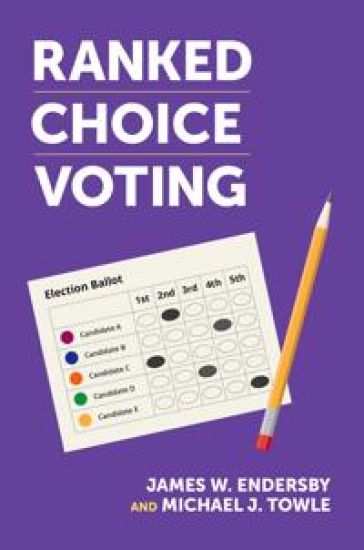
Ranked Choice Voting

Ranked Choice Voting

James W. Endersby; Michael J. Towle

OXFORD UNIVERSITY PRESS INC
2025
nidottu
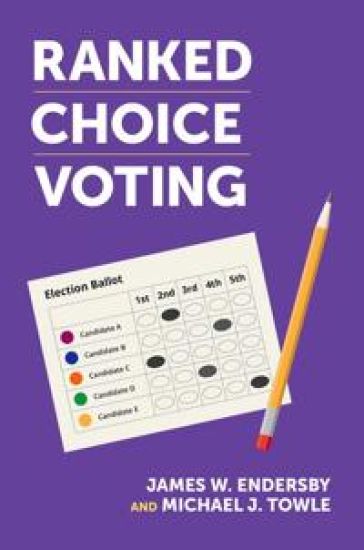
Ranked choice voting (RCV) is an electoral and political reform sweeping across North America, already adopted in a variety of places, including New York City, the state of Maine, and cities and towns in Minnesota, California, and Utah. In localities using RCV, voters don't cast just a single vote for one candidate, but rank candidates according to preference: first choice, second choice, third, and so forth. To be elected, a candidate must win a majority--not a plurality--of votes. Though touted by proponents as way to enhance voter satisfaction with elections, promote trust in government, and increase voter turnout, the implementation of RCV is not without its challenges. In Ranked Choice Voting, James W. Endersby and Michael J. Towle provide a comprehensive and balanced analysis of RCV systems, drawing from examples across the United States to evaluate how they function. Using a wealth of data from observed elections outcomes to election theory, from political history to interviews with advocates and election administrators, the authors detail the history, strengths, and weaknesses of RCV and preferential voting more generally. Broad-ranging, even-handed, and evidence-based, this authoritative overview of an increasingly popular format for democratic elections in the US will appeal to anyone interested in electoral reform and American democracy more generally.
Ranked Choice Voting

Ranked Choice Voting

James W. Endersby; Michael J. Towle

OXFORD UNIVERSITY PRESS INC
2025
sidottu
Ranked choice voting (RCV) is an electoral and political reform sweeping across North America, already adopted in a variety of places, including New York City, the state of Maine, and cities and towns in Minnesota, California, and Utah. In localities using RCV, voters don't cast just a single vote for one candidate, but rank candidates according to preference: first choice, second choice, third, and so forth. To be elected, a candidate must win a majority--not a plurality--of votes. Though touted by proponents as way to enhance voter satisfaction with elections, promote trust in government, and increase voter turnout, the implementation of RCV is not without its challenges. In Ranked Choice Voting, James W. Endersby and Michael J. Towle provide a comprehensive and balanced analysis of RCV systems, drawing from examples across the United States to evaluate how they function. Using a wealth of data from observed elections outcomes to election theory, from political history to interviews with advocates and election administrators, the authors detail the history, strengths, and weaknesses of RCV and preferential voting more generally. Broad-ranging, even-handed, and evidence-based, this authoritative overview of an increasingly popular format for democratic elections in the US will appeal to anyone interested in electoral reform and American democracy more generally.
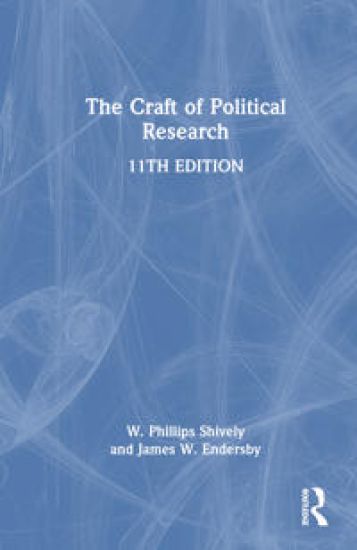
The Craft of Political Research

The Craft of Political Research

W. Phillips Shively; James W. Endersby

TAYLOR FRANCIS LTD
2025
nidottu
The Craft of Political Research is a nontechnical introduction to research design and analysis in political science, emphasizing the choices we make when we design a research project and analyze its results. The book’s approach centers on asking an interesting research question, then designing inquiry to eliminate as many alternative explanations as possible. How do we develop theory, and what constitutes a good research question? How do we operationalize measures and gather evidence to answer a question? How do we analyze our data? Students are introduced to such topics as multidimensional concepts, levels of measurement, validity, reliability, random and non-random measurement error, sampling, case selection, causality, experimental and quasi-experimental design, statistical inference, and regression and correlation analysis. Throughout, the emphasis is on understanding the “back story” of analysis—why do we measure in a particular way, why do we choose one design as against another, why do we conduct our analysis as we do. Emphasizing the internal logic of research methods, the greatest strength of the book is its clarity and the broad range of political science examples provided. It works at a conceptual level, seeking an understanding of the principles that underlie techniques and the reasons why we choose them. New to this edition:New and revised examples from the US, UK, Canada, Latin America, and Africa among others, and updated international data from organizations such as the World Bank and the United Nations. Separate chapters on causality and research design, with more discussion of each component of the political science research processNew section on indexes and scales that reviews ways to improve reliability and validity of measures by combining several variablesNew sections reviewing collection of publicly available data including downloadable sources of quantitative dataNew material on internet surveys and other contemporary techniques used in political science research.
The Craft of Political Research

The Craft of Political Research

W. Phillips Shively; James W. Endersby

TAYLOR FRANCIS LTD
2025
sidottu
The Craft of Political Research is a nontechnical introduction to research design and analysis in political science, emphasizing the choices we make when we design a research project and analyze its results. The book’s approach centers on asking an interesting research question, then designing inquiry to eliminate as many alternative explanations as possible. How do we develop theory, and what constitutes a good research question? How do we operationalize measures and gather evidence to answer a question? How do we analyze our data? Students are introduced to such topics as multidimensional concepts, levels of measurement, validity, reliability, random and non-random measurement error, sampling, case selection, causality, experimental and quasi-experimental design, statistical inference, and regression and correlation analysis. Throughout, the emphasis is on understanding the “back story” of analysis—why do we measure in a particular way, why do we choose one design as against another, why do we conduct our analysis as we do. Emphasizing the internal logic of research methods, the greatest strength of the book is its clarity and the broad range of political science examples provided. It works at a conceptual level, seeking an understanding of the principles that underlie techniques and the reasons why we choose them. New to this edition:New and revised examples from the US, UK, Canada, Latin America, and Africa among others, and updated international data from organizations such as the World Bank and the United Nations. Separate chapters on causality and research design, with more discussion of each component of the political science research processNew section on indexes and scales that reviews ways to improve reliability and validity of measures by combining several variablesNew sections reviewing collection of publicly available data including downloadable sources of quantitative dataNew material on internet surveys and other contemporary techniques used in political science research.
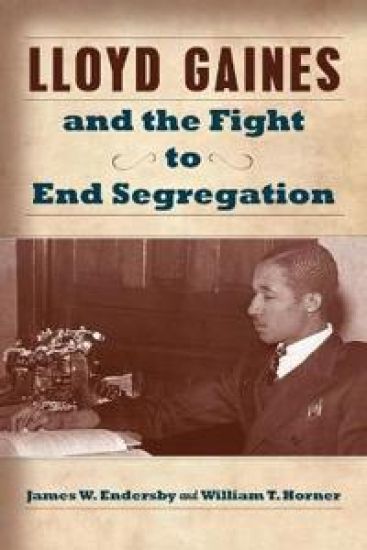
Lloyd Gaines and the Fight to End Segregation

Lloyd Gaines and the Fight to End Segregation

James W. Endersby; William T. Horner

University of Missouri Press
2021
nidottu
Winner, 2017 Missouri Conference on History Book Award In 1936, Lloyd Gaines's application to the University of Missouri law school was denied based on his race. Gaines and the NAACP challenged the university's decision. Missouri ex rel. Gaines v. Canada (1938) was the first in a long line of decisions by the U. S. Supreme Court regarding race, higher education, and equal opportunity. The court case drew national headlines, and the NAACP moved Gaines to Chicago after he received death threats. Before he could attend law school, he vanished. This is the first book to focus entirely on the Gaines case and the vital role played by the NAACP and its lawyers-including Charles Houston, known as 'the man who killed Jim Crow'-who advanced a concerted strategy to produce political change. Horner and Endersby also discuss the African American newspaper journalists and editors who mobilized popular support for the NAACP's strategy. This book uncovers an important step toward the broad acceptance of racial segregation as inherently unequal.
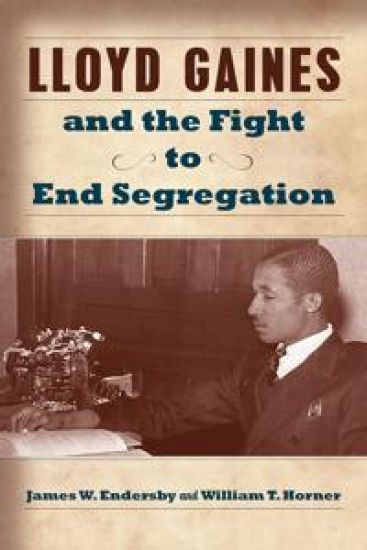
Lloyd Gaines and the Fight to End Segregation

Lloyd Gaines and the Fight to End Segregation

James W. Endersby; William T. Horner

University of Missouri Press
2016
sidottu
80 years ago, Lloyd Gaines’s application to the University of Missouri law school was denied based on his race. Gaines and the NAACP challenged the university’s deci- sion. Missouri ex rel. Gaines v. Canada (1938) was the rst in a long line of decisions by the U. S. Supreme Court regarding race, higher education, and equal opportunity. The court case drew national headlines, and the NAACP moved Gaines to Chicago after he received death threats. Before he could attend law school, he vanished. This is the rst book to focus entirely on the Gaines case and the vital role played by the NAACP and its lawyers including Charles Houston, known as “the man who killed Jim Crow”— who advanced a concerted strategy to produce political change. Horner and Endersby also discuss the African American newspaper journal- ists and editors who mobilized popular support for the NAACP’s strategy. This book reveals an important step toward the broad acceptance of the principle that racial segregation is inherently unequal.