Kirjailija
James Williams
Kirjat ja teokset yhdessä paikassa: 123 kirjaa, julkaisuja vuosilta 1983–2026, suosituimpiin kuuluu Narrative of James Williams, an American Slave,: Who Was for Several Years a Driver on a Cotton Plantation in Alabama. Vertaile teosten hintoja ja tarkista saatavuus suomalaisista kirjakaupoista.
123 kirjaa
Kirjojen julkaisuvuodet: 1983–2026.
Hodder Science Pupils Book A T&T Edition
Nigel Heslop; David Brodie; James Williams
Hodder Education
2003
nidottu
Writing and Language Arts, Teacher's Edition, Grade 6
James Williams; Charles Temple; Jean Gillet
McGraw-Hill Professional
2002
nidottu
Help students develop powerful written communication skills with SRA Writing and Language Arts, a supplemental program designed for grades K-6. This stand-alone or supplemental program offers a teacher-directed and systematic style with explicit teaching philosophy while addressing skills that students need to improve writing and language arts proficiency test and standardized assessment scores. SRA Writing and Language Arts teaches students to write effectively in each of the fundamental forms of writing through step-by-step instruction and models. This distinctive program thoroughly covers the writing process from prewriting to publishing, the six traits of writing (ideas, organizations, word choice, sentence fluency, voice, and conventions), and language arts skills such as vocabulary, spelling, grammar, usage, and mechanics. SRA Writing and Language Arts teaches these specific skills simultaneously rather than in isolation to help students connect ideas and apply the skills in a writing context. Additionally, writing rubrics provide clear and specific vital feedback that targets areas for improvement. Systematic and explicit instruction, models, and practice in many forms of authentic writing prepare students to write in any situation, including proficiency tests. The incorporation of educational research and explicit teaching strategies shown to develop writing proficiency ensure that students get effective, efficient instructionAssessment rubrics focus on important writing elements and make assessment easy, effective, and instructional Lessons develop language arts skills, the writing process, and traits of writing together rather than in isolation, and both teaches and provides practice for both composition and language arts skillsEasily adapted to fit many types of language arts curriculum models, these comprehensive writing activities offer the flexibility teachers need to meet various language arts curriculum standards.
Writing and Language Arts, Teacher's Edition, Grade 5
James Williams; Charles Temple; Jean Gillet
McGraw-Hill Professional
2002
nidottu
Help students develop powerful written communication skills with SRA Writing and Language Arts, a supplemental program designed for grades K-6. This stand-alone or supplemental program offers a teacher-directed and systematic style with explicit teaching philosophy while addressing skills that students need to improve writing and language arts proficiency test and standardized assessment scores. SRA Writing and Language Arts teaches students to write effectively in each of the fundamental forms of writing through step-by-step instruction and models. This distinctive program thoroughly covers the writing process from prewriting to publishing, the six traits of writing (ideas, organizations, word choice, sentence fluency, voice, and conventions), and language arts skills such as vocabulary, spelling, grammar, usage, and mechanics. SRA Writing and Language Arts teaches these specific skills simultaneously rather than in isolation to help students connect ideas and apply the skills in a writing context. Additionally, writing rubrics provide clear and specific vital feedback that targets areas for improvement. Systematic and explicit instruction, models, and practice in many forms of authentic writing prepare students to write in any situation, including proficiency tests. The incorporation of educational research and explicit teaching strategies shown to develop writing proficiency ensure that students get effective, efficient instructionAssessment rubrics focus on important writing elements and make assessment easy, effective, and instructional Lessons develop language arts skills, the writing process, and traits of writing together rather than in isolation, and both teaches and provides practice for both composition and language arts skillsEasily adapted to fit many types of language arts curriculum models, these comprehensive writing activities offer the flexibility teachers need to meet various language arts curriculum standards. Teacher's Edition - The Teacher's Edition provides:Sound educational research-based instructional practicesAssessment rubrics to help evaluate student writing
Writing and Language Arts, Teacher's Edition, Grade 4
James Williams; Charles Temple; Jean Gillet
McGraw-Hill Professional
2002
nidottu
Help students develop powerful written communication skills with SRA Writing and Language Arts, a supplemental program designed for grades K-6. This stand-alone or supplemental program offers a teacher-directed and systematic style with explicit teaching philosophy while addressing skills that students need to improve writing and language arts proficiency test and standardized assessment scores. SRA Writing and Language Arts teaches students to write effectively in each of the fundamental forms of writing through step-by-step instruction and models. This distinctive program thoroughly covers the writing process from prewriting to publishing, the six traits of writing (ideas, organizations, word choice, sentence fluency, voice, and conventions), and language arts skills such as vocabulary, spelling, grammar, usage, and mechanics. SRA Writing and Language Arts teaches these specific skills simultaneously rather than in isolation to help students connect ideas and apply the skills in a writing context. Additionally, writing rubrics provide clear and specific vital feedback that targets areas for improvement. Systematic and explicit instruction, models, and practice in many forms of authentic writing prepare students to write in any situation, including proficiency tests. The incorporation of educational research and explicit teaching strategies shown to develop writing proficiency ensure that students get effective, efficient instructionAssessment rubrics focus on important writing elements and make assessment easy, effective, and instructional Lessons develop language arts skills, the writing process, and traits of writing together rather than in isolation, and both teaches and provides practice for both composition and language arts skillsEasily adapted to fit many types of language arts curriculum models, these comprehensive writing activities offer the flexibility teachers need to meet various language arts curriculum standards.
Writing and Language Arts, Teacher's Edition, Grade 3
James Williams; Charles Temple; Jean Gillet
McGraw-Hill Professional
2002
nidottu
Help students develop powerful written communication skills with SRA Writing and Language Arts, a supplemental program designed for grades K-6. This stand-alone or supplemental program offers a teacher-directed and systematic style with explicit teaching philosophy while addressing skills that students need to improve writing and language arts proficiency test and standardized assessment scores. SRA Writing and Language Arts teaches students to write effectively in each of the fundamental forms of writing through step-by-step instruction and models. This distinctive program thoroughly covers the writing process from prewriting to publishing, the six traits of writing (ideas, organizations, word choice, sentence fluency, voice, and conventions), and language arts skills such as vocabulary, spelling, grammar, usage, and mechanics. SRA Writing and Language Arts teaches these specific skills simultaneously rather than in isolation to help students connect ideas and apply the skills in a writing context. Additionally, writing rubrics provide clear and specific vital feedback that targets areas for improvement. Features: Systematic and explicit instruction, models, and practice in many forms of authentic writing prepare students to write in any situation, including proficiency tests. The incorporation of educational research and explicit teaching strategies shown to develop writing proficiency ensure that students get effective, efficient instructionAssessment rubrics focus on important writing elements and make assessment easy, effective, and instructional Lessons develop language arts skills, the writing process, and traits of writing together rather than in isolation, and both teaches and provides practice for both composition and language arts skillsEasily adapted to fit many types of language arts curriculum models, these comprehensive writing activities offer the flexibility teachers need to meet various language arts curriculum standards. Teacher's Edition - The Teacher's Edition provides:Sound educational research-based instructional practicesAssessment rubrics to help evaluate student writing
Writing and Language Arts, Teacher's Edition, Grade 2
James Williams; Charles Temple; Jean Gillet
McGraw-Hill Professional
2002
nidottu
Help students develop powerful written communication skills with SRA Writing and Language Arts, a new supplemental program designed for grades K-6. This stand-alone or supplemental program offers a teacher-directed and systematic style with explicit teaching philosophy while addressing skills that students need to improve writing and language arts proficiency test and standardized assessment scores. SRA Writing and Language Arts teaches students to write effectively in each of the fundamental forms of writing through step-by-step instruction and models. This distinctive new program thoroughly covers the writing process from prewriting to publishing, the six traits of writing (ideas, organizations, word choice, sentence fluency, voice, and conventions), and language arts skills such as vocabulary, spelling, grammar, usage, and mechanics. SRA Writing and Language Arts teaches these specific skills simultaneously rather than in isolation to help students connect ideas and apply the skills in a writing context. Additionally, writing rubrics provide clear and specific vital feedback that targets areas for improvement. Systematic and explicit instruction, models, and practice in many forms of authentic writing prepare students to write in any situation, including proficiency tests. The incorporation of educational research and explicit teaching strategies shown to develop writing proficiency ensure that students get effective, efficient instruction Assessment rubrics focus on important writing elements and make assessment easy, effective, and instructional Lessons develop language arts skills, the writing process, and traits of writing together rather than in isolation, and both teaches and provides practice for both composition and language arts skills Easily adapted to fit many types of language arts curriculum models, these comprehensive writing activities offer the flexibility teachers need to meet various language arts curriculum standards.
Writing and Language Arts, Writer's Workbook, Grade 2
James Williams; Charles Temple; Jean Gillet
McGraw-Hill Professional
2002
nidottu
Help students develop powerful written communication skills with SRA Writing and Language Arts, a supplemental program designed for grades K-6. This stand-alone or supplemental program offers a teacher-directed and systematic style with explicit teaching philosophy while addressing skills that students need to improve writing and language arts proficiency test and standardized assessment scores. SRA Writing and Language Arts teaches students to write effectively in each of the fundamental forms of writing through step-by-step instruction and models. This distinctive program thoroughly covers the writing process from prewriting to publishing, the six traits of writing (ideas, organizations, word choice, sentence fluency, voice, and conventions), and language arts skills such as vocabulary, spelling, grammar, usage, and mechanics. SRA Writing and Language Arts teaches these specific skills simultaneously rather than in isolation to help students connect ideas and apply the skills in a writing context. Additionally, writing rubrics provide clear and specific vital feedback that targets areas for improvement. Systematic and explicit instruction, models, and practice in many forms of authentic writing prepare students to write in any situation, including proficiency tests. The incorporation of educational research and explicit teaching strategies shown to develop writing proficiency ensure that students get effective, efficient instructionAssessment rubrics focus on important writing elements and make assessment easy, effective, and instructional Lessons develop language arts skills, the writing process, and traits of writing together rather than in isolation, and both teaches and provides practice for both composition and language arts skillsEasily adapted to fit many types of language arts curriculum models, these comprehensive writing activities offer the flexibility teachers need to meet various language arts curriculum standards.
Writing and Language Arts, Writer's Handbook, Grade 6
James Williams; Charles Temple; Jean Gillet
McGraw-Hill Professional
2002
nidottu
Help students develop powerful written communication skills with SRA Writing and Language Arts, a supplemental program designed for grades K-6. This stand-alone or supplemental program offers a teacher-directed and systematic style with explicit teaching philosophy while addressing skills that students need to improve writing and language arts proficiency test and standardized assessment scores. SRA Writing and Language Arts teaches students to write effectively in each of the fundamental forms of writing through step-by-step instruction and models. This distinctive program thoroughly covers the writing process from prewriting to publishing, the six traits of writing (ideas, organizations, word choice, sentence fluency, voice, and conventions), and language arts skills such as vocabulary, spelling, grammar, usage, and mechanics. SRA Writing and Language Arts teaches these specific skills simultaneously rather than in isolation to help students connect ideas and apply the skills in a writing context. Additionally, writing rubrics provide clear and specific vital feedback that targets areas for improvement. Systematic and explicit instruction, models, and practice in many forms of authentic writing prepare students to write in any situation, including proficiency tests. The incorporation of educational research and explicit teaching strategies shown to develop writing proficiency ensure that students get effective, efficient instructionAssessment rubrics focus on important writing elements and make assessment easy, effective, and instructional Lessons develop language arts skills, the writing process, and traits of writing together rather than in isolation, and both teaches and provides practice for both composition and language arts skillsEasily adapted to fit many types of language arts curriculum models, these comprehensive writing activities offer the flexibility teachers need to meet various language arts curriculum standards.
Writing and Language Arts, Writer's Handbook, Grade 5
James Williams; Charles Temple; Jean Gillet
McGraw-Hill Professional
2002
nidottu
Help students develop powerful written communication skills with SRA Writing and Language Arts, a supplemental program designed for grades K-6. This stand-alone or supplemental program offers a teacher-directed and systematic style with explicit teaching philosophy while addressing skills that students need to improve writing and language arts proficiency test and standardized assessment scores. SRA Writing and Language Arts teaches students to write effectively in each of the fundamental forms of writing through step-by-step instruction and models. This distinctive program thoroughly covers the writing process from prewriting to publishing, the six traits of writing (ideas, organizations, word choice, sentence fluency, voice, and conventions), and language arts skills such as vocabulary, spelling, grammar, usage, and mechanics. SRA Writing and Language Arts teaches these specific skills simultaneously rather than in isolation to help students connect ideas and apply the skills in a writing context. Additionally, writing rubrics provide clear and specific vital feedback that targets areas for improvement. Systematic and explicit instruction, models, and practice in many forms of authentic writing prepare students to write in any situation, including proficiency tests. The incorporation of educational research and explicit teaching strategies shown to develop writing proficiency ensure that students get effective, efficient instructionAssessment rubrics focus on important writing elements and make assessment easy, effective, and instructional Lessons develop language arts skills, the writing process, and traits of writing together rather than in isolation, and both teaches and provides practice for both composition and language arts skillsEasily adapted to fit many types of language arts curriculum models, these comprehensive writing activities offer the flexibility teachers need to meet various language arts curriculum standards.
Writing and Language Arts, Writer's Handbook, Grade 4
James Williams; Charles Temple; Jean Gillet
McGraw-Hill Professional
2002
nidottu
Help students develop powerful written communication skills with SRA Writing and Language Arts, a supplemental program designed for grades K-6. This stand-alone or supplemental program offers a teacher-directed and systematic style with explicit teaching philosophy while addressing skills that students need to improve writing and language arts proficiency test and standardized assessment scores. SRA Writing and Language Arts teaches students to write effectively in each of the fundamental forms of writing through step-by-step instruction and models. This distinctive program thoroughly covers the writing process from prewriting to publishing, the six traits of writing (ideas, organizations, word choice, sentence fluency, voice, and conventions), and language arts skills such as vocabulary, spelling, grammar, usage, and mechanics. SRA Writing and Language Arts teaches these specific skills simultaneously rather than in isolation to help students connect ideas and apply the skills in a writing context. Additionally, writing rubrics provide clear and specific vital feedback that targets areas for improvement. Systematic and explicit instruction, models, and practice in many forms of authentic writing prepare students to write in any situation, including proficiency tests. The incorporation of educational research and explicit teaching strategies shown to develop writing proficiency ensure that students get effective, efficient instructionAssessment rubrics focus on important writing elements and make assessment easy, effective, and instructional Lessons develop language arts skills, the writing process, and traits of writing together rather than in isolation, and both teaches and provides practice for both composition and language arts skillsEasily adapted to fit many types of language arts curriculum models, these comprehensive writing activities offer the flexibility teachers need to meet various language arts curriculum standards.
Writing and Language Arts, Writer's Handbook, Grade 3
James Williams; Charles Temple; Jean Gillet
McGraw-Hill Professional
2002
nidottu
Help students develop powerful written communication skills with SRA Writing and Language Arts, a supplemental program designed for grades K-6. This stand-alone or supplemental program offers a teacher-directed and systematic style with explicit teaching philosophy while addressing skills that students need to improve writing and language arts proficiency test and standardized assessment scores. SRA Writing and Language Arts teaches students to write effectively in each of the fundamental forms of writing through step-by-step instruction and models. This distinctive program thoroughly covers the writing process from prewriting to publishing, the six traits of writing (ideas, organizations, word choice, sentence fluency, voice, and conventions), and language arts skills such as vocabulary, spelling, grammar, usage, and mechanics. SRA Writing and Language Arts teaches these specific skills simultaneously rather than in isolation to help students connect ideas and apply the skills in a writing context. Additionally, writing rubrics provide clear and specific vital feedback that targets areas for improvement. Systematic and explicit instruction, models, and practice in many forms of authentic writing prepare students to write in any situation, including proficiency tests. The incorporation of educational research and explicit teaching strategies shown to develop writing proficiency ensure that students get effective, efficient instructionAssessment rubrics focus on important writing elements and make assessment easy, effective, and instructional Lessons develop language arts skills, the writing process, and traits of writing together rather than in isolation, and both teaches and provides practice for both composition and language arts skillsEasily adapted to fit many types of language arts curriculum models, these comprehensive writing activities offer the flexibility teachers need to meet various language arts curriculum standards. Writer's Handbook - Your students will find information quickly and easily with:Clear and concise explanations for key skills and conceptsModels of all forms of writing
Writing and Language Arts, Writer's Handbook, Grade 2
James Williams; Charles Temple; Jean Gillet
McGraw-Hill Professional
2002
nidottu
Help students develop powerful written communication skills with SRA Writing and Language Arts, a supplemental program designed for grades K-6. This stand-alone or supplemental program offers a teacher-directed and systematic style with explicit teaching philosophy while addressing skills that students need to improve writing and language arts proficiency test and standardized assessment scores. SRA Writing and Language Arts teaches students to write effectively in each of the fundamental forms of writing through step-by-step instruction and models. This distinctive new program thoroughly covers the writing process from prewriting to publishing, the six traits of writing (ideas, organizations, word choice, sentence fluency, voice, and conventions), and language arts skills such as vocabulary, spelling, grammar, usage, and mechanics. SRA Writing and Language Arts teaches these specific skills simultaneously rather than in isolation to help students connect ideas and apply the skills in a writing context. Additionally, writing rubrics provide clear and specific vital feedback that targets areas for improvement. Systematic and explicit instruction, models, and practice in many forms of authentic writing prepare students to write in any situation, including proficiency tests. The incorporation of educational research and explicit teaching strategies shown to develop writing proficiency ensure that students get effective, efficient instructionAssessment rubrics focus on important writing elements and make assessment easy, effective, and instructional Lessons develop language arts skills, the writing process, and traits of writing together rather than in isolation, and both teaches and provides practice for both composition and language arts skillsEasily adapted to fit many types of language arts curriculum models, these comprehensive writing activities offer the flexibility teachers need to meet various language arts curriculum standards.
Writing and Language Arts, Big Book, Grade K
James Williams; Charles Temple; Jean Gillet
McGraw-Hill Professional
2002
nidottu
Big Books encourage young students to interact with fineliterature, explore concepts of book and print awareness,expand vocabulary knowledge, and develop listeningcomprehension. Big Books come in an easy to use CanvasTote.
Middle managers in secondary schools are being asked to develop and display first class management skills. This text seeks to meet the needs of those who need to develop and update skills for their present job, or who are preparing for the next step into more senior management.
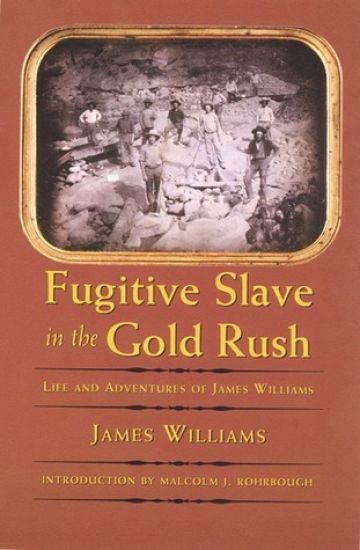
African American records of the Gold Rush are rare, as are underground railroad accounts from those fleeing to freedom; yet here is the account of a self-taught escaped slave and underground railroad worker who also succumbed to the lure of the California Gold Rush. James Williams was all of these things and more, a fascinating individual who in this memoir manages to cram more life into fewer pages than almost anyone has before or since – a habit of traveling light that served him well. We learn about Williams's birth and escape from the South and his travels and exciting experiences on the West Coast in the mid-nineteenth century. We become privy to his views on the many people he met, including Chinese immigrants, and his observations on notable events of his time, such as the Modoc War in California.
A Narrative of Events, Since the First of August, 1834, by James Williams, an Apprenticed Labourer in Jamaica
James Williams
Duke University Press
2001
sidottu
This book brings back into print, for the first time since the 1830s, a text that was central to the transatlantic campaign to fully abolish slavery in Britain’s colonies. James Williams, an eighteen-year-old Jamaican “apprentice” (former slave), came to Britain in 1837 at the instigation of the abolitionist Joseph Sturge. The Narrative he produced there, one of very few autobiographical texts by Caribbean slaves or former slaves, became one of the most powerful abolitionist tools for effecting the immediate end to the system of apprenticeship that had replaced slavery. Describing the hard working conditions on plantations and the harsh treatment of apprentices unjustly incarcerated, Williams argues that apprenticeship actually worsened the conditions of Jamaican ex-slaves: former owners, no longer legally permitted to directly punish their workers, used the Jamaican legal system as a punitive lever against them. Williams’s story documents the collaboration of local magistrates in this practice, wherein apprentices were routinely jailed and beaten for both real and imaginary infractions of the apprenticeship regulations. In addition to the complete text of Williams’s original Narrative, this fully annotated edition includes nineteenth-century responses to the controversy from the British and Jamaican press, as well as extensive testimony from the Commission of Enquiry that heard evidence regarding the Narrative’s claims. These fascinating and revealing documents constitute the largest extant body of direct testimony by Caribbean slaves or apprentices.
A Narrative of Events, Since the First of August, 1834, by James Williams, an Apprenticed Labourer in Jamaica
James Williams
Duke University Press
2001
pokkari
This book brings back into print, for the first time since the 1830s, a text that was central to the transatlantic campaign to fully abolish slavery in Britain’s colonies. James Williams, an eighteen-year-old Jamaican “apprentice” (former slave), came to Britain in 1837 at the instigation of the abolitionist Joseph Sturge. The Narrative he produced there, one of very few autobiographical texts by Caribbean slaves or former slaves, became one of the most powerful abolitionist tools for effecting the immediate end to the system of apprenticeship that had replaced slavery. Describing the hard working conditions on plantations and the harsh treatment of apprentices unjustly incarcerated, Williams argues that apprenticeship actually worsened the conditions of Jamaican ex-slaves: former owners, no longer legally permitted to directly punish their workers, used the Jamaican legal system as a punitive lever against them. Williams’s story documents the collaboration of local magistrates in this practice, wherein apprentices were routinely jailed and beaten for both real and imaginary infractions of the apprenticeship regulations. In addition to the complete text of Williams’s original Narrative, this fully annotated edition includes nineteenth-century responses to the controversy from the British and Jamaican press, as well as extensive testimony from the Commission of Enquiry that heard evidence regarding the Narrative’s claims. These fascinating and revealing documents constitute the largest extant body of direct testimony by Caribbean slaves or apprentices.