
Kirjailija
James Wood
Kirjat ja teokset yhdessä paikassa: 110 kirjaa, julkaisuja vuosilta 1994–2027, suosituimpiin kuuluu Show Us the Father. Vertaile teosten hintoja ja tarkista saatavuus suomalaisista kirjakaupoista.
110 kirjaa
Kirjojen julkaisuvuodet: 1994–2027.
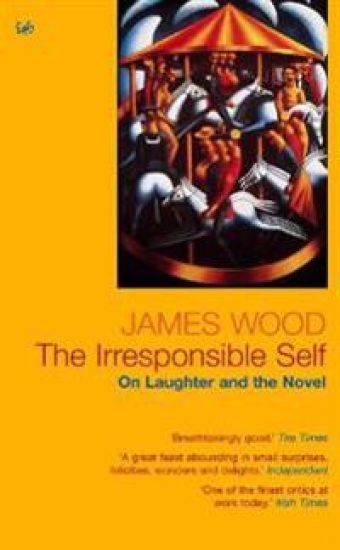
The common thread in Wood's latest collection of essays is what makes us laugh - and the book is an attempt to distinguish between the perhaps rather limited English comedy (as seen in Waugh, for example) and a 'continental' tragic-comedy, which he sees as real, universal and quixotic.
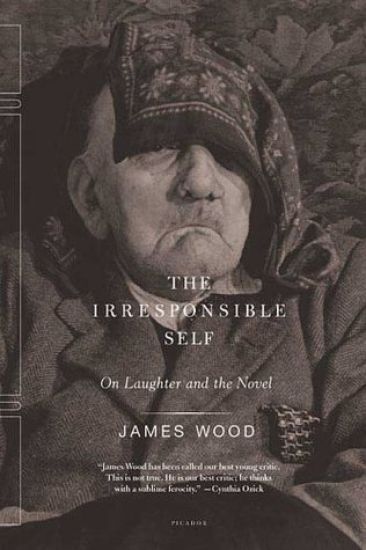
"James Wood has been called our best young critic. This is not true. He is our best critic; he thinks with a sublime ferocity."--Cynthia Ozick Following the collection The Broken Estate--which established James Wood as the leading critic of his generation--The Irresponsible Self confirms Wood's preeminence, not only as a discerning judge but also as an appreciator of contemporary novels. In twenty-three passionate, sparkling dispatches, he effortlessly connects his encyclopedic, passionate understanding of the literary canon with an equally earnest and appreciative view of the most discussed authors writing today, including Franzen, Pynchon, Rushdie, DeLillo, Naipaul, David Foster Wallace, and Zadie Smith. This collection includes Wood's famous and controversial attack on "hysterical realism", and his sensitive but unsparing examinations of White Teeth and Brick Lane. The Irresponsible Self is indispensable reading for anyone who cares about modern fiction.

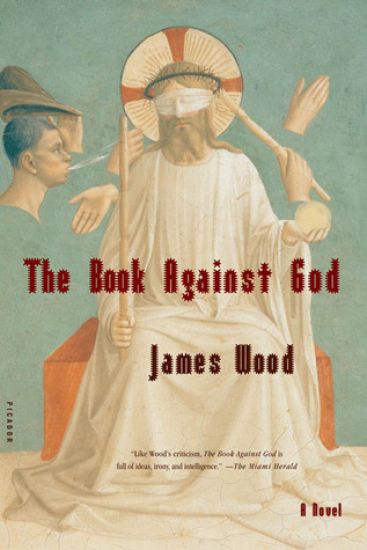
Thomas Bunting while neglecting his philosophy Ph. D., still unfinished after seven years, is secretly writing what he hopes will be his masterwork--a vast atheistic project to be titled The Book Against God. In despair over his failed academic career and failing marriage, Bunting is also enraged to the point of near lunacy by his parents' religiousness. When his father, a beloved parish priest, suddenly falls ill, Bunting returns to the Northern village of his childhood. Bunting's hopes that this visit might enable him to finally talk honestly with his parents and sort out his wayward life, are soon destroyed. Comic, edgy, lyrical, and indignant Bunting gives the term unreliable narrator a new twist with his irrepressible incapacity to tell the truth.

When his father is taken ill, Thomas hopes that he may be able to communicate honestly with him, as his father sets a formidable Christian example, and sort out his wayward life. But Thomas is a chronic liar, and athiest as well, and instead finds that once at home, he falls back into the disastrous and evasive patterns of his childhood years.
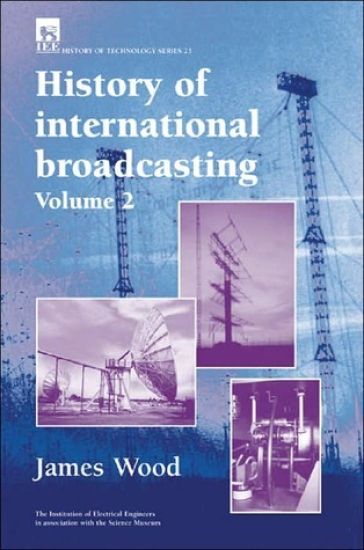
The first volume of History of International Broadcasting (1992) traced the history of radio broadcasting, chiefly on the short waves, from its earliest origins to its role as an instrument of foreign policy in World War II and into the cold war. This volume documents the role of the West's international broadcasters - such as Voice of America, Radio Free Europe/Radio Liberty and the BBC World Service - in using propaganda and other information to assist in bringing about the collapse of Soviet communism and the end of the cold war. It also analyses the new uses to which broadcasting infrastructures are being put, as well as new developments reflecting changes in world politics and culture. Much attention is therefore devoted to broadcasting to and within Asia and the Arabic-Islamic Middle East region, where some of the greatest new investments are being made. The emergence of new activities, such as re-broadcasting of Western services using the powerful transmitters once used by the Soviets for jamming these very stations, are described. Equally, over the past few decades there has been an entirely new market in the growth of powerful religious broadcasters on the international frequency bands. The book is supplemented with tables, statistics and analysis of many of the world's international broadcasters, in the light of new tran mission technologies. There is also study of the major transmitter manufacturing industry and its companies, among which there has been much movement in the way acquisitions and collaborative ventures. The book concludes with a look at emerging technologies such as digital broadcasting and the long-term future of international broadcasting in the shortwave bands.
The Myth of Sisyphus
Albert Camus; James Wood
Penguin Classics
2000
pokkari
Halvin toimitettuna 17,00 €
Written during the bleakest days of the Second World War, this volume argues for an acceptance of reality that encompasses revolt, passion and, above all, liberty. It also contains several other essays, including lyrical evocations of the sunlit cities of Algiers and Oran, and the settings of other novels, such as "The Outsider" and "The Plague".
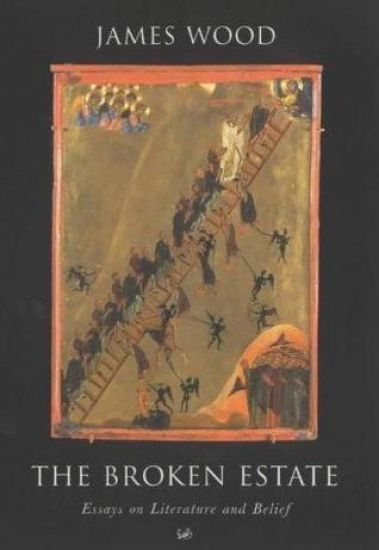
In a series of long essays, James Wood examines the connection between literature and religious belief, in a startlingly wide group of writers.

History of International Broadcasting
James Wood
Institution of Engineering and Technology
1994
nidottu
The history of radio broadcasting is traced from its earliest origins, through its role as a subversive tool in World War II to the cold war era, and finally to its present day use as an instrument of foreign policy used by over 160 countries. The effects on the cold war, in which propoganda broadcasting was the ultimate weapon, contributing in no small measure to the collapse of communism in the USSR, are analysed. The roles of Voice of America, the BBC World Service and others come under scrutiny, and the concluding chapters report on the explosive growth in international broadcasting now taking place in the aftermath of recent political events. The book is supplemented with up-to-date technical data and statistics on major expansions now under way or being planned in many countries, particularly the USA and the Arab states, some of the latter having a broadcasting capacity that dwarfs most western countries. The appeal of the book is by no means restricted to scientists and engineers and many will find much to stir their memories of international radio broadcasts in wartime and peacetime alike.