Kirjojen hintavertailu – 12 859 819 kirjaa ja 27 kauppaa
Kirjailija
Jamie Hakim
Kirjat ja teokset yhdessä paikassa: 5 kirjaa, julkaisuja vuosilta 2019–2026, suosituimpiin kuuluu Hoivamanifesti. Vertaile teosten hintoja ja tarkista saatavuus suomalaisista kirjakaupoista.
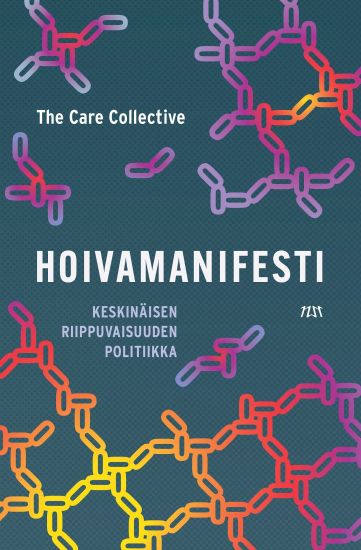
Hoivamanifesti paljastaa, miten elimellisesti hoiva kytkeytyy demokratiaan. Se osoittaa, ettei hoivavajetta voi paikata uudistamatta koko yhteiskuntaa.
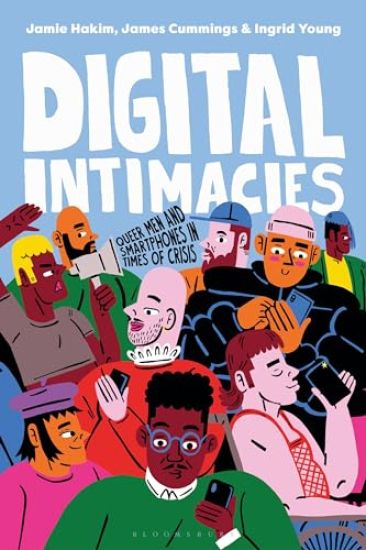
Queer men’s cultures of intimacy have long been sites of fierce contestation. Indeed, debates have raged for decades over issues such as monogamy, safer sex, sexual racism and gay marriage. The introduction of the smartphone in 2008 only intensified these debates whilst also raising a further set of questions which are explored in this open access book. Through interviews with a diverse group of 43 queer men about their smartphone mediated intimacies, Digital Intimacies reveals that queer men use their smartphones, not simply to arrange intimate encounters, but more specifically to gain a sense of control over the parts of their intimate lives that make them feel most vulnerable. For instance, some use messaging apps to gain a sense of control over intimate conversations that they feel too vulnerable to have in person. Others use the ‘block’ function on dating apps to feel in control of the racism and transphobia they are vulnerable to on these apps. Digital Intimacies therefore illuminates not only hitherto underexplored aspects of queer men’s cultures of intimacy but crucially also brings into view previously obscured cultural dynamics, gaining insight into the historical moments in which they occur. The ebook editions of this book are available open access under a CC BY-NC-ND 4.0 licence on bloomsburycollections.com. Open access was funded by UKRI.
Work That Body: Male Bodies in Digital Culture explores the recent rise in different types of men using digital media to sexualise their bodies. It argues that the male body has become a key site in contemporary culture where neoliberalism’s hegemony has been both secured and contested since 2008. It does this by looking at four different case studies: the celebrity male nude leak; the rise of young men sharing images of their muscular bodies on social media; RuPaul's Drag Race body transformational tutorial, and the rise of chemsex. It finds that on the one hand digital media has enabled men to transform their bodies into tools of value-creation in economic contexts where the historical means they have relied on to create value have diminished. On the other it has also allowed them to use their bodies to form intimate collective bonds during a moment when competitive individualism continued to be the privileged mode of being in the world. It therefore offers a unique contribution not only to the field of digital cultural studies but also to the growing cultural studies literature attempting to map the historical contradictions of the austerity moment.
The Male Body in Digital Culture explores different ways that the male body has been represented by, constructed in, and experienced through digital media during the age of austerity. It argues that the male body has become a key site in contemporary culture where neoliberalism's hegemony has been both secured and contested since 2008. It does this by looking at three different case studies: the celebrity male nude leak; the rise of young men sharing images of their muscular bodies on social networking sites; and the rise of chemsex. It finds that on the one hand digital media has enabled men to transform their bodies into tools of value-creation in an economic context when their traditional bread-winning capacities have been diminished. On the other it has also allowed them to use their bodies to form intimate collective bonds during a moment when competitive individualism continues to be insisted on as the privileged mode of being in the world. It therefore offers a unique contribution not only to the field of digital cultural studies but also to the growing cultural studies literature attempting to map the historical contradictions of the austerity moment.