Kirjojen hintavertailu – 12 903 725 kirjaa ja 27 kauppaa
Kirjailija
Jan Recker
Kirjat ja teokset yhdessä paikassa: 8 kirjaa, julkaisuja vuosilta 2011–2025, suosituimpiin kuuluu Denkmaler und Erinnerungskultur im Kalten Krieg. Vertaile teosten hintoja ja tarkista saatavuus suomalaisista kirjakaupoista.
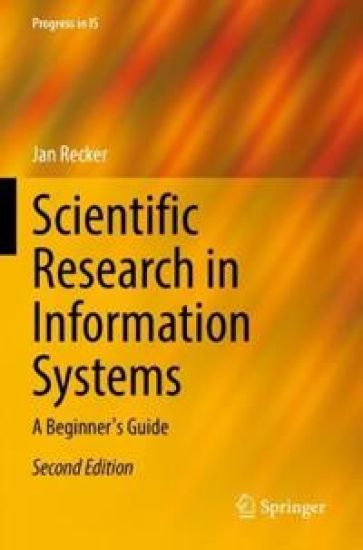
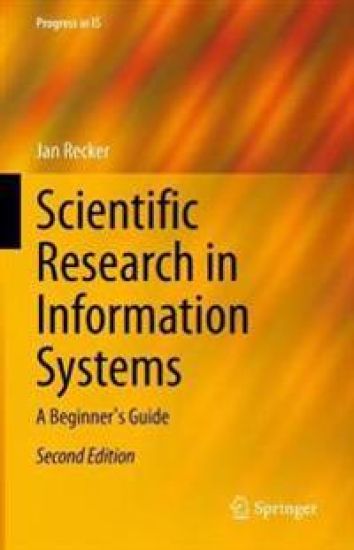
This book introduces higher-degree research students and early career academics to scientific research as occurring in the field of information systems and adjacent fields, such as computer science, management science, organization science, and software engineering. Instead of focusing primarily on research methods as many other textbooks do, it covers the entire research process, from start to finish, placing particular emphasis on understanding the cognitive and behavioural aspects of research, such as motivation, modes of inquiry, theorising, planning for research, planning for publication, and ethical challenges in research. Comprehensive but also succinct and compact, the book guides beginning researchers in their quest to do scholarly work and to assist them in developing their own answers and strategies over the course of their work. Jan Recker explains in this book the fundamental concepts that govern scientific research and then moves on to introduce the basicsteps every researcher undertakes: choosing research questions, developing theory, building a research design, employing research methods, and finally writing academic papers. He also covers essentials of ethical conduct of scientific research. This second edition contains major updates on all these elements plus significant expansions on relevant research methods such as design research and computational methods, a rewritten and extended chapter on theory development, and expansions to the chapters on research methods, scientific publishing, and research ethics. A companion website provides pedagogical materials and instructions for using this book in teaching.
This book introduces higher-degree research students and early career academics to scientific research as occurring in the field of information systems and adjacent fields, such as computer science, management science, organization science, and software engineering. Instead of focusing primarily on research methods as many other textbooks do, it covers the entire research process, from start to finish, placing particular emphasis on understanding the cognitive and behavioural aspects of research, such as motivation, modes of inquiry, theorising, planning for research, planning for publication, and ethical challenges in research. Comprehensive but also succinct and compact, the book guides beginning researchers in their quest to do scholarly work and to assist them in developing their own answers and strategies over the course of their work. Jan Recker explains in this book the fundamental concepts that govern scientific research and then moves on to introduce the basicsteps every researcher undertakes: choosing research questions, developing theory, building a research design, employing research methods, and finally writing academic papers. He also covers essentials of ethical conduct of scientific research. This second edition contains major updates on all these elements plus significant expansions on relevant research methods such as design research and computational methods, a rewritten and extended chapter on theory development, and expansions to the chapters on research methods, scientific publishing, and research ethics. A companion website provides pedagogical materials and instructions for using this book in teaching.
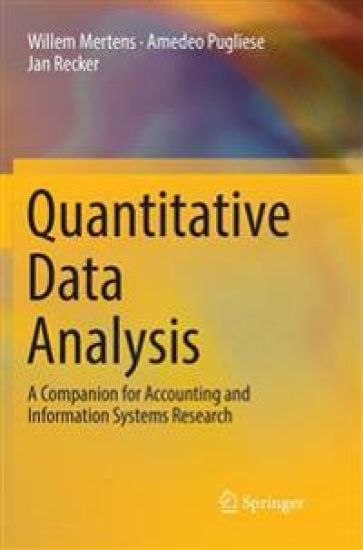
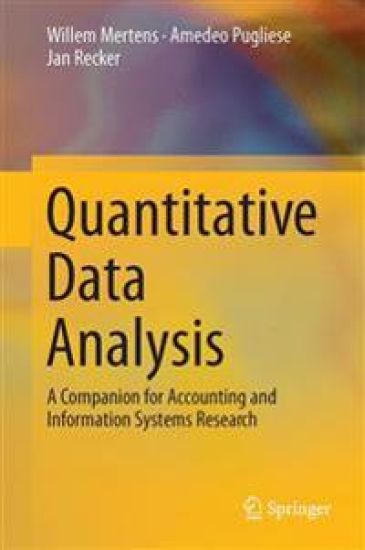
This book offers postgraduate and early career researchers in accounting and information systems a guide to choosing, executing and reporting appropriate data analysis methods to answer their research questions. It provides readers with a basic understanding of the steps that each method involves, and of the facets of the analysis that require special attention. Rather than presenting an exhaustive overview of the methods or explaining them in detail, the book serves as a starting point for developing data analysis skills: it provides hands-on guidelines for conducting the most common analyses and reporting results, and includes pointers to more extensive resources. Comprehensive yet succinct, the book is brief and written in a language that everyone can understand - from students to those employed by organizations wanting to study the context in which they work. It also serves as a refresher for researchers who have learned data analysis techniques previously but who need a reminder for the specific study they are involved in.
This book offers postgraduate and early career researchers in accounting and information systems a guide to choosing, executing and reporting appropriate data analysis methods to answer their research questions. It provides readers with a basic understanding of the steps that each method involves, and of the facets of the analysis that require special attention. Rather than presenting an exhaustive overview of the methods or explaining them in detail, the book serves as a starting point for developing data analysis skills: it provides hands-on guidelines for conducting the most common analyses and reporting results, and includes pointers to more extensive resources. Comprehensive yet succinct, the book is brief and written in a language that everyone can understand - from students to those employed by organizations wanting to study the context in which they work. It also serves as a refresher for researchers who have learned data analysis techniques previously but who need a reminder for the specific study they are involved in.
This book is designed to introduce doctoral and other higher-degree research students to the process of scientific research in the fields of Information Systems as well as fields of Information Technology, Business Process Management and other related disciplines within the social sciences. It guides research students in their process of learning the life of a researcher. In doing so, it provides an understanding of the essential elements, concepts and challenges of the journey into research studies. It also provides a gateway for the student to inquire deeper about each element covered?. Comprehensive and broad but also succinct and compact, the book is focusing on the key principles and challenges for a novice doctoral student.
Jan Recker investigates the notion of quality of business process modeling grammars. His evaluation is based on ontological analysis, qualitative analysis, and quantitative analysis, which are applied to BPMN, a widely used business process modeling grammar. His results first show ontological shortcomings in BPMN, second how these manifest in actual process modeling practice, and third how they eventually influence the usage behavior of modeling practitioners. Seen more general, his book is a landmark for an empirical technology assessment that analyzes how design flaws in technology influence usage behavior.