Kirjojen hintavertailu – 12 859 828 kirjaa ja 27 kauppaa

Kirjailija

Jan Winhall

Kirjat ja teokset yhdessä paikassa: 3 kirjaa, julkaisuja vuosilta 2021–2025, suosituimpiin kuuluu 20 Embodied Practices for Healing Trauma and Addiction. Vertaile teosten hintoja ja tarkista saatavuus suomalaisista kirjakaupoista.

3 kirjaa

Kirjojen julkaisuvuodet: 2021–2025.

20 Embodied Practices for Healing Trauma and Addiction

20 Embodied Practices for Healing Trauma and Addiction

Jan Winhall; Stephen W. Porges

WW NORTON CO
2025
nidottu

Halvin toimitettuna 30,30 €

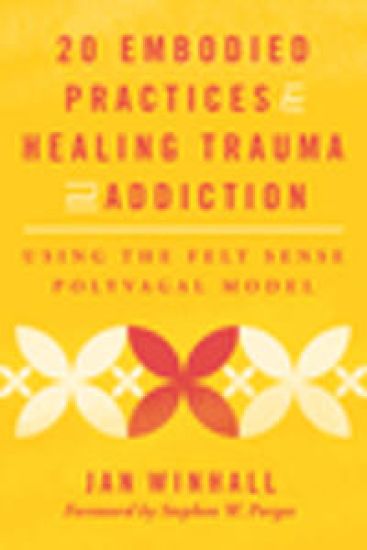
What if addiction, dissociation and other manifestations of trauma were not framed as diseases or disorders, but rather as adaptive methods of regulating the autonomic nervous system? This book does just that, and guides readers through twenty embodied practices that allow for a rewiring of the ANS. By integrating the latest neuroscience from Stephen Porges’s Polyvagal Theory with Eugene Gendlin’s embodied Felt Sense, Jan Winhall’s Felt Sense Polyvagal Model is a paradigm-shifting, deeply somatic approach to healing trauma and addiction. Here, the reader is presented with two vital tools for healing: learning how to recognise and rewire autonomic state and finding the felt sense of body wisdom. The book’s exercises are uniquely designed to be completed with a mental health professional, another person engaged in this embodied process, or both. Through the twenty embodied practices, the reader and their felt sense partner explore their trauma history together, developing a Four Circle Harm Reduction Plan. Graphic models and case examples help to illustrate the Felt Sense Polyvagal Model.
Treating Trauma and Addiction with the Felt Sense Polyvagal Model
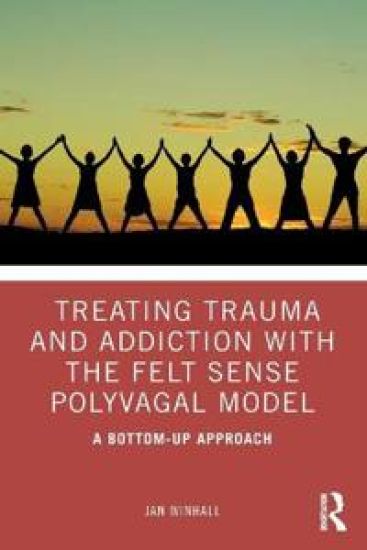
In sharp contrast with the current top-down medicalized method to treating addiction, this book presents the felt sense polyvagal model (FSPM), a paradigm-shifting, bottom-up approach that considers addiction as an adaptive attempt to regulate emotional states and trauma. The felt sense polyvagal model draws from Porges' polyvagal theory, Gendelin's felt sense, and Lewis' learning model of addiction to offer a graphically illustrated and deeply embodied way of conceptualizing and treating addiction through supporting autonomic regulation. This model de-pathologizes addiction as it teaches embodied practices through tapping into the felt sense, the body’s inner wisdom. Chapters first present a theoretical framework and demonstrate the graphic model in both clinician and client versions and then teach the clinician how to use the model in practice by providing detailed treatment strategies. This text’s informed, compassionate approach to understanding and treating trauma and addiction is adaptable to any school of psychotherapy and will appeal to addiction experts, trauma specialists, and clinicians in all mental health fields.
Treating Trauma and Addiction with the Felt Sense Polyvagal Model

Treating Trauma and Addiction with the Felt Sense Polyvagal Model

Jan Winhall

Routledge
2021
nidottu

Halvin toimitettuna 49,10 €

In sharp contrast with the current top-down medicalized method to treating addiction, this book presents the felt sense polyvagal model (FSPM), a paradigm-shifting, bottom-up approach that considers addiction as an adaptive attempt to regulate emotional states and trauma. The felt sense polyvagal model draws from Porges' polyvagal theory, Gendelin's felt sense, and Lewis' learning model of addiction to offer a graphically illustrated and deeply embodied way of conceptualizing and treating addiction through supporting autonomic regulation. This model de-pathologizes addiction as it teaches embodied practices through tapping into the felt sense, the body’s inner wisdom. Chapters first present a theoretical framework and demonstrate the graphic model in both clinician and client versions and then teach the clinician how to use the model in practice by providing detailed treatment strategies. This text’s informed, compassionate approach to understanding and treating trauma and addiction is adaptable to any school of psychotherapy and will appeal to addiction experts, trauma specialists, and clinicians in all mental health fields.