Kirjojen hintavertailu – 12 859 826 kirjaa ja 27 kauppaa
Kirjailija
Jane Austen
Kirjat ja teokset yhdessä paikassa: 3 212 kirjaa, julkaisuja vuosilta 1791–2027, suosituimpiin kuuluu Ylpeys ja ennakkoluulo. Vertaile teosten hintoja ja tarkista saatavuus suomalaisista kirjakaupoista.
'Jane Austen practising' Virginia Woolf Three notebooks of Jane Austen's teenage writings survive. The earliest pieces probably date from 1786 or 1787, around the time that Jane, aged 11 or 12, and her older sister and collaborator Cassandra left school. By this point Austen was already an indiscriminate and precocious reader, devouring pulp fiction and classic literature alike; what she read, she soon began to imitate and parody. Unlike many teenage writings then and now, these are not secret or agonized confessions entrusted to a private journal and for the writer's eyes alone. Rather, they are stories to be shared and admired by a named audience of family and friends. Devices and themes which appear subtly in Austen's later fiction run riot openly and exuberantly across the teenage page. Drunkenness, brawling, sexual misdemeanour, theft, and even murder prevail.
From the editor of the popular Annotated Pride and Prejudice comes an annotated edition of Jane Austen's Mansfield Park that makes her story of an impoverished girl living with her wealthy relatives an even more satisfying read. Here is the complete text of Austen's own favorite novel with more than 2,300 annotations on facing pages, including: ● Explanations of historical context● Citations from Austen's life, letters, and other writings● Definitions and clarifications● Literary comments and analysis● Maps of places in the novel● An introduction, bibliography, and detailed chronology of events● More than 225 informative illustrations Filled with fascinating details about the characters' clothes, houses, and carriages, as well as background information on such relevant issues as career paths in the British navy, contemporary attitudes toward slavery, and the legal and social consequences of adultery, David M. Shapard's Annotated Mansfield Park brings Austen's world into richer focus.
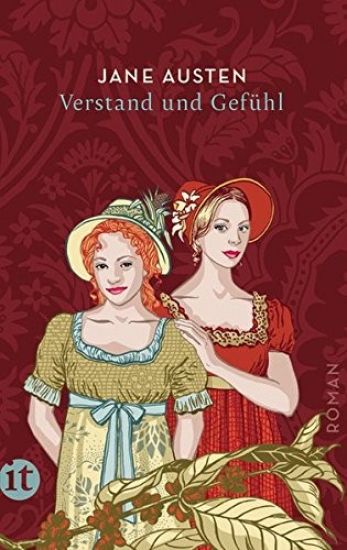
Elinor and Marianne are two daughters of Mr. Dashwood by his second wife. They have a younger sister, Margaret, and an older half-brother named John. When their father dies, the family estate passes to John and the Dashwood women are left in reduced circumstances. Fortunately, a distant relative offers to rent the women a cottage on his property. The novel follows the Dashwood sisters to their new home, where they experience both romance and heartbreak.
Adultery is not a typical Jane Austen theme, but when it disturbs the relatively peaceful household at Mansfield Park, it has quite unexpected results. The diffident and much put-upon heroine Fanny Price has to struggle to cope with the results, re-examining her own feelings while enduring the cheerful amorality, old-fashioned indifference and priggish disapproval of those around her.
Northanger Abbey was the first of Jane Austen's novels to be completed for publication, in 1803, but published after her death, at the end of 1817. The novel is a satire of the Gothic novels popular at the time of its first writing in 1798-99. The heroine, Catherine, thinks life is like a Gothic novel, but her real experiences bring her down to earth as an ordinary young woman. Austen first titled it Susan, when she sold it in 1803 for 10 to a London bookseller, Crosby & Co., who decided against publishing. In the spring of 1816, the bookseller sold it back to the novelist's brother, Henry Austen, for the same sum, as the bookseller did not know that the writer was by then the author of four popular novels. She further revised the novel in 1816-1817, with the intention of having it published. The lead character's name was changed from Susan to Catherine, and Austen changed the working title to Catherine. Austen died in July 1817. Her brother Henry renamed the novel and arranged for publication of Northanger Abbey in late December 1817 (1818 given on the title page), as the first two volumes of a four-volume set, the other two volumes being the more recently completed Austen novel, Persuasion, with a preface for the first time publicly identifying Jane Austen as the author of all her novels. Neither novel was published under the working title Jane Austen used. Aside from first being published together, the two novels are not linked, and later editions were published as separate novels.... Persuasion is the last novel fully completed by Jane Austen. It was published at the end of 1817, six months after her death. The story concerns Anne Elliot, a young Englishwoman of 27 years, whose family is moving to lower their expenses and get out of debt, at the same time as the wars come to an end, putting sailors on shore. They rent their home to an Admiral and his wife. The wife's brother, Navy Captain Frederick Wentworth, had been engaged to Anne in 1806, and now they meet again, both single and unattached, after no contact in more than seven years. This sets the scene for many humorous encounters as well as a second, well-considered chance at love and marriage for Anne Elliot in her second "bloom".... Hugh Thomson (1 June 1860 - 7 May 1920) was an Irish Illustrator born at Coleraine near Derry. 1] He is best known for his pen-and-ink illustrations of works by authors such as Jane Austen, Charles Dickens, and J. M. Barrie.... Henry Austin Dobson (18 January 1840 - 2 September 1921), commonly Austin Dobson, was an English poet and essayist....
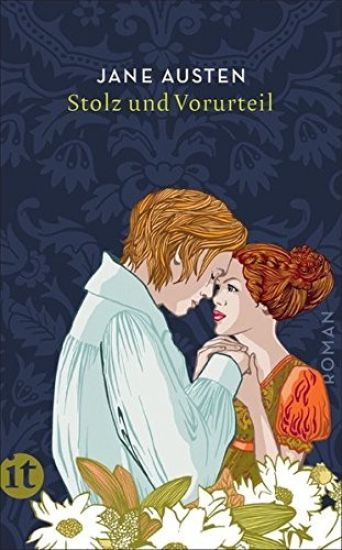
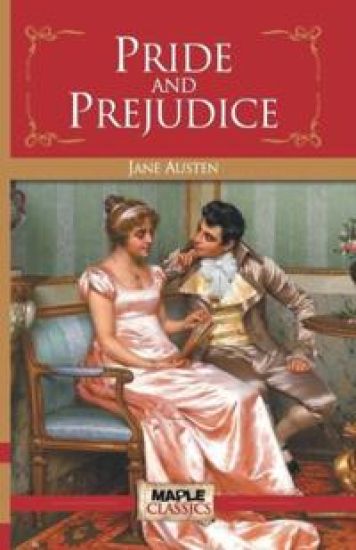
Pride and Prejudice is a novel by Jane Austen, first published in 1813. The story charts the emotional development of the protagonist, Elizabeth Bennet, who learns the error of making hasty judgements and comes to appreciate the difference between the superficial and the essential. The comedy of the writing lies in the depiction of manners, education, and marriage and money in the British Regency. Mr Bennet of the Longbourn estate has five daughters, but his property is entailed, meaning that none of the girls can inherit it. Since his wife had no fortune, it is imperative that one of the girls marries well in order to support the others on his death. However, Jane Austen's opening line 'It is a truth universally acknowledged that a single man in possession of a good fortune must be in want of a wife' is a sentence filled with irony and playfulness. The novel revolves around the necessity of marrying for love, not simply for mercenary reasons despite the social pressures to make a good (i.e. wealthy) match.