Kirjojen hintavertailu – 12 859 819 kirjaa ja 27 kauppaa

Kirjailija

Jane Duncan

Kirjat ja teokset yhdessä paikassa: 14 kirjaa, julkaisuja vuosilta 2010–2026, suosituimpiin kuuluu New South African Review 2. Vertaile teosten hintoja ja tarkista saatavuus suomalaisista kirjakaupoista.

14 kirjaa

Kirjojen julkaisuvuodet: 2010–2026.

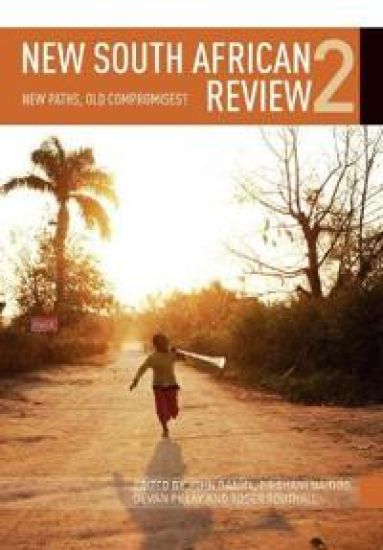
New South African Review 2

New South African Review 2

William Attwell; Leslie Bank; Naidoo Prishani; Patrick Bond; Imraan Buccus; John Daniel; Jane Duncan; Fig David; Hamill James; Janine Hicks; John Hoffman; Paul Hoffman; Malose Langa; Lindsay Don; Clifford Mabhena; Rajohane Matshedisho; Pillay Devan; Saloojee Haroon; Satgar Vishwas; Christopher Saunders; Sharife Khadija; Skinner Kate; Southall Roger; Neil Southern; Karl von Holdt; Edward Webster; Williams Michelle

Wits University Press
2011
nidottu
The second volume of the New South African Review (NSAR) continues a tradition of debate and critical, analytical scholarship about contemporary South Africa. Drawing on authors from academia and beyond, it aims to be informative, discursive and provocative. In this volume, the New Growth Path (NGP) adopted by the South African government in 2010 provides the basis for a debate about whether 'decent work' is the best possible solution to South Africa's problems of low economic growth and high unemployment. Rising inequality is explored against the backdrop of the failings of Black Economic Empowerment (BEE) and Broad-Based Black Economic Empowerment (BBBEE). The NGP's proposals for 'greening the economy' are discussed, with emphasis on the creation of 'green jobs' and biofuels. The volume also includes investigations into the crisis of acid mine drainage on the Witwatersrand, and other persistent environmental challenges. Possibilities for participatory forms of government are surveyed, and civil society activism is explored in relation to the South African Broadcasting Corporation (SABC) and environmental campaigns. The crisis in child care in public hospitals, the difficulties that characterise attempts at building relationships between the police and a township community, and the problems related to the absence of legislation to govern the powers of traditional authorities over land allocation (through the experience of the Eastern Cape) are also featured. Asking whether the NGP reflects a set of new policies or an attempt to re-dress old (com)promises in new clothes, this volume brings together different voices in debate about possibilities for alternatives to neo-liberal and capitalist development in South Africa.
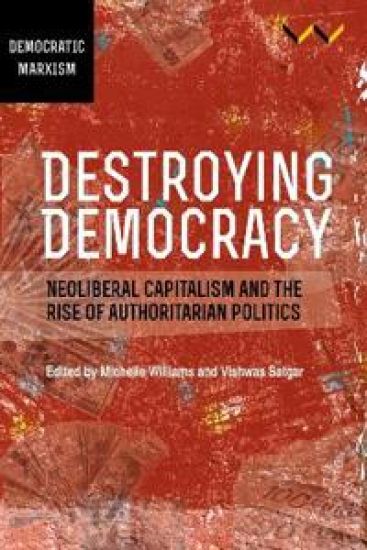
Destroying Democracy

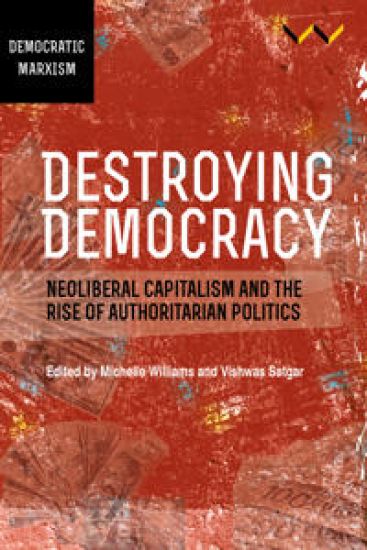
Destroying Democracy

Jane Duncan; Linda Gordon; Gunnett Kaaf; Dale T McKinley; Alf Gunvald Nilsen; Devan Pillay; Mandla J Radebe; Alfredo Saad-Filho; Ingar Solty

Wits University Press
2021
pokkari

Halvin toimitettuna 38,20 €

A history of the erosion of democracy across the globe Democracy is being destroyed. This is a crisis that expresses itself in the rising authoritarianism visible in divisive and exclusionary politics, populist political parties and movements, increased distrust in fact-based information and news, and the withering accountability of state institutions. Over the last four decades, democracy has radically shifted to a market democracy in which all aspects of human, non-human and planetary life are commodified, with corporations becoming more powerful than states and their citizens. This is how neoliberal capitalism functions at a systemic level and if left unchecked, is the greatest threat to democracy and a sustainable planet. Volume six of the Democratic Marxism series focuses on how decades of neoliberal capitalism have eroded the global democratic project and how, in the process, authoritarian politics are gaining ground. Scholars and activists from the political left focus on four country cases – India, Brazil, South Africa and the United States of America – in which the COVID-19 pandemic has fuelled and highlighted the pre-existing crisis. They interrogate issues of politics, ecology, state security, media, access to information and political parties, and affirm the need to reclaim and re-build an expansive and inclusive democracy. Destroying Democracy is an invaluable resource for the general public, activists, scholars and students who are interested in understanding the threats to democracy and the rising tide of authoritarianism in the global south and the global north.
Destroying Democracy

Destroying Democracy

Jane Duncan; Linda Gordon; Gunnett Kaaf; Dale T McKinley; Alf Gunvald Nilsen; Devan Pillay; Mandla J Radebe; Alfredo Saad-Filho; Ingar Solty

WITS UNIVERSITY PRESS
2021
sidottu
A history of the erosion of democracy across the globe Democracy is being destroyed. This is a crisis that expresses itself in the rising authoritarianism visible in divisive and exclusionary politics, populist political parties and movements, increased distrust in fact-based information and news, and the withering accountability of state institutions. Over the last four decades, democracy has radically shifted to a market democracy in which all aspects of human, non-human and planetary life are commodified, with corporations becoming more powerful than states and their citizens. This is how neoliberal capitalism functions at a systemic level and if left unchecked, is the greatest threat to democracy and a sustainable planet. Volume six of the Democratic Marxism series focuses on how decades of neoliberal capitalism have eroded the global democratic project and how, in the process, authoritarian politics are gaining ground. Scholars and activists from the political left focus on four country cases – India, Brazil, South Africa and the United States of America – in which the COVID-19 pandemic has fuelled and highlighted the pre-existing crisis. They interrogate issues of politics, ecology, state security, media, access to information and political parties, and affirm the need to reclaim and re-build an expansive and inclusive democracy. Destroying Democracy is an invaluable resource for the general public, activists, scholars and students who are interested in understanding the threats to democracy and the rising tide of authoritarianism in the global south and the global north.
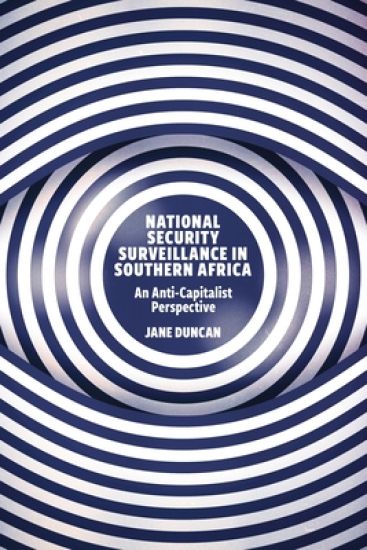
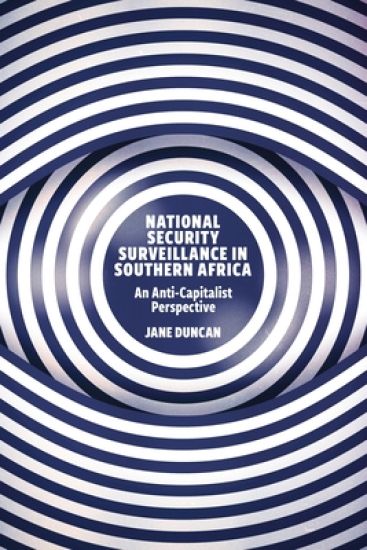
National Security Surveillance in Southern Africa

National Security Surveillance in Southern Africa

Jane Duncan

BLOOMSBURY PUBLISHING PLC
2024
nidottu
In spite of Edward Snowden’s disclosures about government abuses of dragnet communication surveillance, the surveillance industry continues to expand around the world. Many people have become resigned to a world where they cannot have a reasonable expectation of privacy. In this open access book, the author looks at what can be done to rein in these powers and restructure how they are used beyond the limited and often ineffective reforms that have been attempted. Using southern Africa as a backdrop, and its liberation history, Jane Duncan examines what an anti-capitalist perspective on intelligence and security powers could look like. Are the police and intelligence agencies even needed, and if so, what should they do and why? What lessons can be learnt from how security was organised during the struggles for liberation in the region? Southern Africa is seeing thousands of people in the region taking to the streets in protests. In response, governments are scrambling to acquire surveillance technologies to monitor these new protest movements. Southern Africa faces no major terrorism threats at the moment, which should make it easier to develop clearer anti-surveillance campaigns than in Europe or the US. Yet, because of tactical and strategic ambivalence about security powers, movements often engage in limited calls for intelligence and policing reforms, and fail to provide an alternative vision for policing and intelligence. Surveillance and Intelligence in Southern Africa examines what that vision could look like. The ebook editions of this book are available open access under a CC BY-NC-ND 4.0 licence on bloomsburycollections.com.
National Security Surveillance in Southern Africa

National Security Surveillance in Southern Africa

Jane Duncan

BLOOMSBURY PUBLISHING PLC
2022
sidottu
In spite of Edward Snowden’s disclosures about government abuses of dragnet communication surveillance, the surveillance industry continues to expand around the world. Many people have become resigned to a world where they cannot have a reasonable expectation of privacy. In this open access book, the author looks at what can be done to rein in these powers and restructure how they are used beyond the limited and often ineffective reforms that have been attempted. Using southern Africa as a backdrop, and its liberation history, Jane Duncan examines what an anti-capitalist perspective on intelligence and security powers could look like. Are the police and intelligence agencies even needed, and if so, what should they do and why? What lessons can be learnt from how security was organised during the struggles for liberation in the region? Southern Africa is seeing thousands of people in the region taking to the streets in protests. In response, governments are scrambling to acquire surveillance technologies to monitor these new protest movements. Southern Africa faces no major terrorism threats at the moment, which should make it easier to develop clearer anti-surveillance campaigns than in Europe or the US. Yet, because of tactical and strategic ambivalence about security powers, movements often engage in limited calls for intelligence and policing reforms, and fail to provide an alternative vision for policing and intelligence. Surveillance and Intelligence in Southern Africa examines what that vision could look like. The ebook editions of this book are available open access under a CC BY-NC-ND 4.0 licence on bloomsburycollections.com.
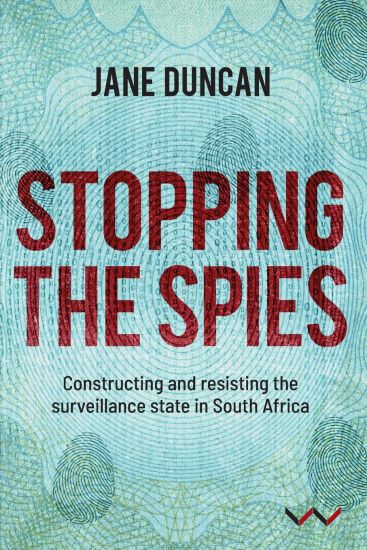
Stopping the Spies

Stopping the Spies

Jane Duncan

Wits University Press
2018
pokkari
Is South Africa on its way to becoming a surveillance state, and will it need a whistleblower? In 2013, former National Security Agency (NSA) contractor Edward Snowden leaked secret documents revealing that state agencies like the NSA had spied on the communications of millions of innocent citizens. International outrage resulted, but the Snowden documents revealed only the tip of the surveillance iceberg. Apart from insisting on their rights to tap into communications, more and more states are placing citizens under surveillance, tracking their movements and transactions with public and private institutions. The state is becoming like a one-way mirror, where it can see more of what its citizens do and say, while citizens see less and less of what the state does, owing to high levels of secrecy around surveillance. In this book, Jane Duncan assesses the relevance of Snowden's revelations for South Africa. In doing so she questions the extent to which South Africa is becoming a surveillance society governed by a surveillance state. Duncan challenges members of civil society to be concerned about and to act on the ever-expanding surveillance capacities of the South African state. Is surveillance used for the democratic purpose of making people safer, or is it being used for the repressive purpose of social control, especially of those considered to be politically threatening to ruling interests? She explores the forms of collective action needed to ensure that unaccountable surveillance does not take place and examines what does and does not work when it comes to developing organised responses.
Paleo Diet For Beginners: (2 in 1): Practical Approach To Health And a Whole Foods Lifestyle Using Budget-Friendly Recipes To Lose Weight (Inclu
Book 1 Why should you opt for a Paleo diet? Well, it's really simple The Paleo diet is one of the healthiest diets ever. This great diet is the only one that can help you increase your energy levels, your strength, your overall health and that can help you lose weight at the same time This diet brings many positive effects and it can really change your life for good What could be better than eating healthy, tasty food and not ruining your budget? The answer is simple - The Paleo diet. With the cookbook, you get the secrets of how to prepare inexpensive meals with lean meats and fish, fresh fruits, snacks, and grilled vegetables. The Paleo diet will not only help you lose weight, it will also help you become the best version of yourself. It will help to lower your blood sugar, lower your blood pressure, and lower bad cholesterol levels. It will give you a greater sense of mental clarity and boost your energy levels sky high Thanks to this book you will learn: Chapter 1 - Introduction Of Paleo Diet Chapter 2 - What Is A Paleo Approach? Chapter 3 - What Are The Advantages Of The Paleo Diet? Chapter 4 - What Changes In The Body While On Paleo Diet? Chapter 5 - Foods To Avoid Or To Include Chapter 6 - Recipes After you've finished with this book, I hope that you've learned how to get the most out of the Paleo diet. I also hope you enjoy all the healthy and delicious recipes I've provided to help you get started on your new journey. By starting on this diet you're committing to becoming the best version of yourself. Don't Wait Another Minute Get Your Copy Now ================== Book 2 Discover All The Benefits of Paleo With Tonnes of Delicious Recipes Are you struggling with weight loss? Do you want to look more beautiful and filled with much more energy? Do you want to change your whole life? Use these weight loss tips and delicious recipes to achieve happiness, health, and beauty, without boring workouts, diets, and cutting calories. What if you could simply reduce weight by 10-15 pounds and achieve your desired weight? The good news is you are about to discover the easiest and fastest way to reduce weight like never before... There Are Many Benefits in Using This Book: Speedy Weight Loss with No Exercises at All Unshakable Confidence Health and Happiness Unstoppable Energy Younger Looking Skin In this book you will find some of the best paleo recipes you could find anywhere. From breakfast to dinner and everything in between, the recipes presented in this chapter are both highly practical and highly delicious. GRAB YOUR COPY AND START YOUR NEW LIFE. See you on the inside
Paleo Diet For Rapid Weight Loss: Practical Approach To Health And a Whole Foods Lifestyle Using Budget-Friendly Recipes To Lose Weight
Why should you opt for a Paleo diet? Well, it's really simple The Paleo diet is one of the healthiest diets ever. This great diet is the only one that can help you increase your energy levels, your strength, your overall health and that can help you lose weight at the same time This diet brings many positive effects and it can really change your life for good What could be better than eating healthy, tasty food and not ruining your budget? The answer is simple - The Paleo diet. With the cookbook, you get the secrets of how to prepare inexpensive meals with lean meats and fish, fresh fruits, snacks, and grilled vegetables. The Paleo diet will not only help you lose weight, it will also help you become the best version of yourself. It will help to lower your blood sugar, lower your blood pressure, and lower bad cholesterol levels. It will give you a greater sense of mental clarity and boost your energy levels sky high Thanks to this book you will learn: Chapter 1 - Introduction Of Paleo Diet Chapter 2 - What Is A Paleo Approach? Chapter 3 - What Are The Advantages Of The Paleo Diet? Chapter 4 - What Changes In The Body While On Paleo Diet? Chapter 5 - Foods To Avoid Or To Include Chapter 6 - Recipes After you've finished with this book, I hope that you've learned how to get the most out of the Paleo diet. I also hope you enjoy all the healthy and delicious recipes I've provided to help you get started on your new journey. By starting on this diet you're committing to becoming the best version of yourself. Don't Wait Another Minute Get Your Copy Now
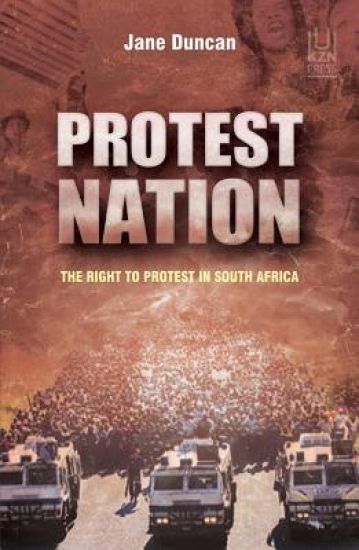
Protest Nation

Protest Nation

Jane Duncan

University of KwaZulu-Natal Press
2016
nidottu
South Africa has become a nation defined by its protests. Protests can, and do, bring societal problems to public attention in direct, at times dramatic, ways. But governments the world over are also tempted to suppress this right, as they often feel threatened by public challenges to their authority. Apartheid South Africa had a shameful history of repressing protests. The architects of the country’s democracy expressed a determination to break with this past and recognise protest as a basic democratic right. Yet, today, there is concern about the violent nature of protests. Protest Nation challenges the dominant narrative that it has become necessary for the state to step in to limit the right to protest in the broader public interest because media and official representations have created a public perception that violence has become endemic to protests. Bringing together data gathered from municipalities, the police, protestor and activist interviews, as well as media reports, the book analyses the extent to which the right to protest is respected in democratic South Africa. It throws a spotlight on the municipal role in enabling or mostly thwarting the right. This book is a call to action to defend the right to protest: a right that is clearly under threat. It also urges South Africans to critique the often-skewed public discourses that inform debates about protests and their limitations.
My Friend Sashie

My Friend Sashie

Jane Duncan

Macmillan Bello
2015
sidottu
'From the rail I looked down at Sashie's upturned face and the brilliant, early tropical sunlight made me think of the lights upon the stage of a theatre long ago . . .'With these thoughts Janet Sandison says goodbye to the West Indian island that has been her home for many years, for her husband Twice has died, the great house where old Madame Dulac held court for so long is to be sold, changes are coming to the island, and Janet herself is setting out on a new and adventurous life. That she is doing so is due in no small measure to her friend Sashie, the ex-RAF pilot who walks on 'tin legs' and whose tender, sensitive friendship has drawn Janet from the dark limbo of desolation into which her husband's death had plunged her. The flamboyant Sashie is a brilliant and subtle character, as readers of Jane Duncan's previous 'Friends' books know; and in this story of Janet's move to a new life he is revealed with all the perception and clear-sightedness that make Jane Duncan so compelling a story-teller.
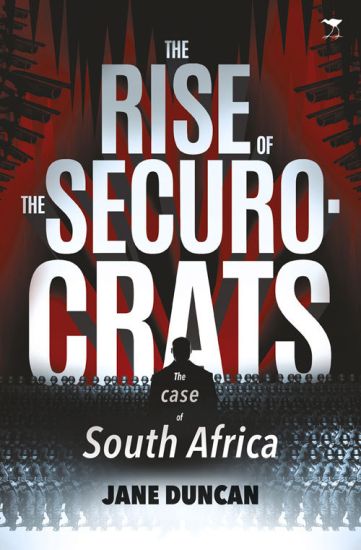
The rise of the securocrats

The rise of the securocrats

Jane Duncan

Jacana Media
2014
pokkari
The South African government stands accused of having fallen under the sway of the securocrats. Who are they? Securocrats are officials located in the security establishment—the police, intelligence services, or the military—that have the power to influence government policy in their favor. The ANC has become dominated increasingly by the securocrats who have politicized the state, including the security services, to the advantage of Zuma and those around him. The Rise of the Securocrats illustrates how when securocrats dominate government decision-making, the democratic life of a country can be threatened. Annexing the power to subvert democratic processes to entrench their own power or the power of their favored leaders, they also use the armed might of the state to suppress their political opponents. Duncan argues for the importance of keeping the security cluster under democratic, civilian control, and broadly accountable to the society they claim to serve.
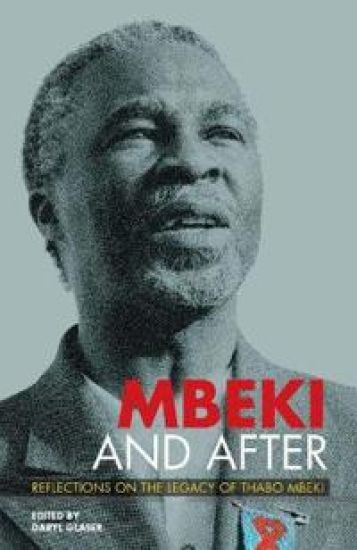
Mbeki and After

Mbeki and After

Calland Richard; Jane Duncan; Friedman Steven; Gevisser Mark; Glaser Daryl; Heywood Mark; Peter Hudson; Chris Landsberg; McKaiser Eusebius; Chris Oxtoby; Vale Peter

Wits University Press
2010
nidottu
For nearly ten years - indeed more if we include his period of influence under Mandela's presidency - Thabo Mbeki bestrode South Africa's political stage. Despite attempts by some in the new ANC leadership to airbrush out his role, there can be little doubt that Mbeki was a seminal figure in South Africa's new democracy, one who left a huge mark in many fields, perhaps most controversially in state and party management, economic policy, public health intervention, foreign affairs and race relations. If we wish to understand the character and fate of post-1994 South Africa, we must therefore ask: What kind of political system, economy and society has the former President bequeathed to the government of Jacob Zuma and to the citizens of South Africa generally? This Question is addressed head-on here by a diverse range of analysts, commentators and participants in the political process. Amongst the specific questions they seek to answer: What is Mbeki's legacy for patterns of inclusion and exclusion based on race, class and gender? How, if at all, did his presidency reshape relations within the state, between the state and the ruling party and between the state and society? How did he reposition South Africa on the continent and in the world? This book will be of interest to anyone wishing to understand the current political landscape in South Africa, and Mbeki's role in shaping it.