Kirjojen hintavertailu – 12 903 725 kirjaa ja 27 kauppaa
Kirjailija
Jane E. Buikstra
Kirjat ja teokset yhdessä paikassa: 3 kirjaa, julkaisuja vuosilta 2003–2008, suosituimpiin kuuluu Bones of the Maya. Vertaile teosten hintoja ja tarkista saatavuus suomalaisista kirjakaupoista.
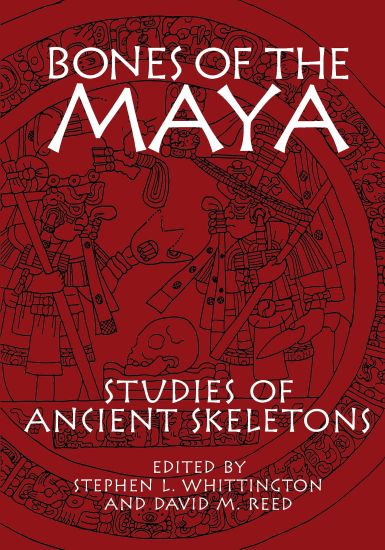
During the last 20 years new techniques in osteology have yielded findings on Maya diet and health that challenge the ecological model of collapse. This volume, which includes an index bibliography of the first 150 years of Maya osteology, brings together for the first time a broad spectrum of bioarchaeologists and reveals remarkable data on Maya genetic relationship, demography, and diseases.
A study of tuberculosis, a persistent and important infectious disease, covering its aetiology, epidemiology, and pathogenesis. It reveals that tuberculosis has repeatedly increased over time as societies have become more complex socially, economically and politically.
Tuberculosis has plagued humans and animals for thousands of years. Though apparently in decline with the advent of effective chemotherapy and improved living conditions, sanitation, and diet during the first half of the 20th century, TB has reawakened in both developed and developing countries, particularly among susceptible populations with immunodeficiency disorders. These authors offer a detailed study of the history of this persistent and important infectious disease, covering its etiology, epidemiology, and pathogenesis. Beginning with a discussion of the epidemiology, clinical signs and symptoms of tuberculosis, and skeletal changes associated with it, Roberts and Buikstra examine evidence for the disease through time in both human and nonhuman populations. They devote particular attention to the paleopathological evidence of tuberculosis throughout human history found in both Old and New World archaeological sites. With a review of the hard evidence of tuberculosis from the archaeological record (skeletons showing evidence of the disease), they focus on how and why the disease developed in antiquity, its evolutionary routes, and how past populations treated it. The authors augment clinical data with evidence from a variety of sources including art and documentary materials. A concluding chapter addresses the current reemergent status of the disease and its future prospects. The authors reveal that tuberculosis has repeatedly increased over time as societies have become more complex socially, economically, and politically. Their detailed presentation of the clinical data on tuberculosis and its many causative factors brings together information from a wealth of sources worldwide and mounts an argument rich in paleoepidemiological and historical data that challenges accepted dogma about the conquest of TB by modern technology. Their account will be of interest to anthropologists, archaeologists, biologists, and sociologists as well as clinicians and medical historians.