Kirjojen hintavertailu – 12 903 725 kirjaa ja 27 kauppaa

Kirjailija

Jane Johnston

Kirjat ja teokset yhdessä paikassa: 22 kirjaa, julkaisuja vuosilta 2002–2026, suosituimpiin kuuluu Strategic Open Justice. Vertaile teosten hintoja ja tarkista saatavuus suomalaisista kirjakaupoista.

22 kirjaa

Kirjojen julkaisuvuodet: 2002–2026.

Strategic Open Justice

Strategic Open Justice

Jane Johnston

Cambridge University Press
2026
Nidottu
Strategic Open Justice examines how fusing two fundamental components of modern democratic societies – strategic communication and open justice – has begun a revolutionary change in the way courts manage their public media and communication practice. It explores historic developments that have led to contemporary media and communication operations in the courts and how these both build and challenge public opinion and community confidence in the administration of justice and the judicial arm of government. The cross-disciplinary approach combines theory and practice from law, media and journalism, strategic communication, and narratology in a single, internationally researched volume. Examining concepts such as publicity, transparency, media platforms, big data, AI, and open justice itself, it presents a thought-provoking analysis of how contemporary open justice developed and changed, the actors involved, how communication and media drive engagement, and the challenges and benefits in modernising court communication practices, cultures, and traditions.

Strategic Open Justice

Strategic Open Justice

Jane Johnston

Cambridge University Press
2026
Sidottu
Strategic Open Justice examines how fusing two fundamental components of modern democratic societies – strategic communication and open justice – has begun a revolutionary change in the way courts manage their public media and communication practice. It explores historic developments that have led to contemporary media and communication operations in the courts and how these both build and challenge public opinion and community confidence in the administration of justice and the judicial arm of government. The cross-disciplinary approach combines theory and practice from law, media and journalism, strategic communication, and narratology in a single, internationally researched volume. Examining concepts such as publicity, transparency, media platforms, big data, AI, and open justice itself, it presents a thought-provoking analysis of how contemporary open justice developed and changed, the actors involved, how communication and media drive engagement, and the challenges and benefits in modernising court communication practices, cultures, and traditions.
Media Strategies

Media Strategies

Jane Johnston; Katie Rowney

Routledge
2021
sidottu
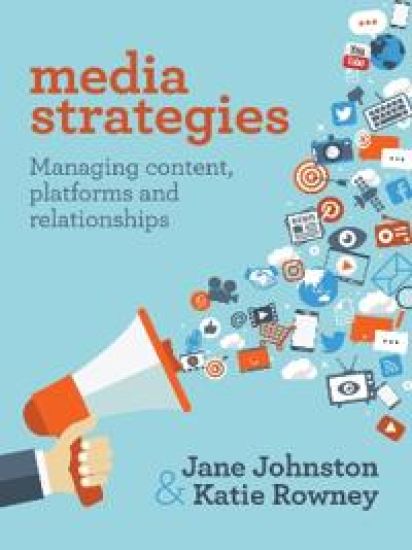
Media Strategies maps the complex and disruptive media environment for the communication professional and provides the tools and methods to work effectively within it. Increasingly, communication professionals need to be accomplished content managers, capable of employing an arsenal of multi-media tactics across different platforms. This book presents new and innovative approaches to media relations, brand journalism and content management, providing practitioners with the tools to creatively develop, share and deliver strategic media assets and ideas that cut through the cluttered digital environment. The authors also demonstrate that personal and traditional skills are as important as ever, including the ability to tell stories, create memorable media pitches, write and lay-out media materials, and develop credibility and trust in relationships. Media Strategies sets a new agenda for anyone seeking to build a career as a professional communicator. It includes examples from around the world, from corporate, political, government, not-for-profit and activist communication and public relations practice.
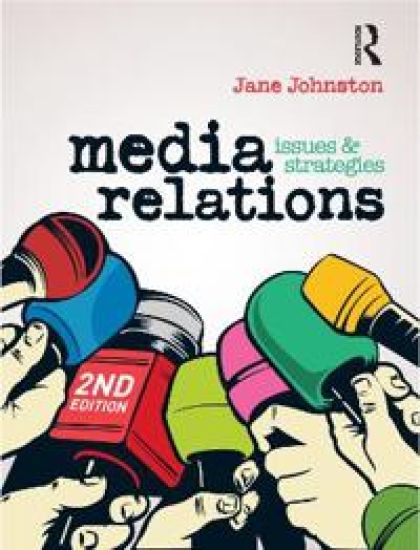
Media Relations

Media Relations

Jane Johnston

Routledge
2021
sidottu
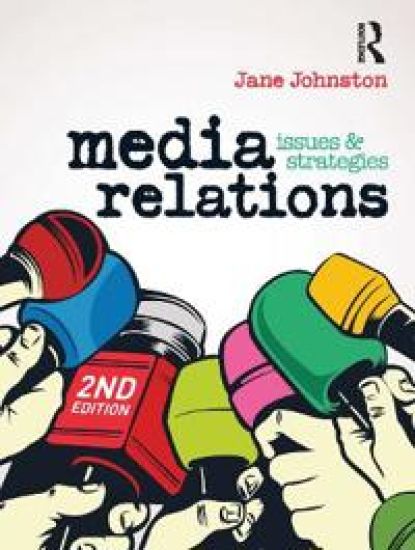
Public relations and the media are in a time of major change. The rise of social media, altered media platforms, evolving legislative environments and new models of communication have altered not only the working environments of public relations and the news and entertainment media, but also many aspects of how these industries work together. Media Relations provides a practical and thorough introduction to media work in this changing environment. Based on a solid understanding of media culture and theory, Jane Johnston shows how to steer a path between the technical and human elements of media relations. She drills down into the different types of media, analysing their applications, strengths and weaknesses, and shows how to target your message to the right media outlets, whether national television, community radio, celebrity magazines or influential blogs. This second edition has been revised throughout and includes new case studies, and new chapters on digital and social media, media campaigns, and legal and ethical considerations.
Media Strategies

Media Strategies

Jane Johnston; Katie Rowney

AU Academic
2018
nidottu
Media Strategies maps the complex and disruptive media environment for the communication professional and provides the tools and methods to work effectively within it. Increasingly, communication professionals need to be accomplished content managers, capable of employing an arsenal of multi-media tactics across different platforms. This book presents new and innovative approaches to media relations, brand journalism and content management, providing practitioners with the tools to creatively develop, share and deliver strategic media assets and ideas that cut through the cluttered digital environment. The authors also demonstrate that personal and traditional skills are as important as ever, including the ability to tell stories, create memorable media pitches, write and lay-out media materials, and develop credibility and trust in relationships. Media Strategies sets a new agenda for anyone seeking to build a career as a professional communicator. It includes examples from around the world, from corporate, political, government, not-for-profit and activist communication and public relations practice.'The game has changed. Communications professionals should look to this as their guide when navigating a swiftly changing media landscape.' Ross Healy, Brand Social Media Specialist 'Media Strategies cuts through the hype to show how you can build your skills and excel as a communicator in both traditional media and the disruptive digital media platforms.' Elissa Trezia, Financial Technology PR Executive, Indonesia 'An excellent guide to the complex media landscape.' Catherine Archer, Academic Chair, Strategic Communication, Murdoch University
Early Childhood Studies

Early Childhood Studies

Jane Johnston; Lindy Nahmad-Williams; Ruby Oates; Val Wood

Routledge
2018
sidottu
This fully updated new edition offers a comprehensive, accessible, yet rigorous introduction to the study of Early Childhood that will will add value to any Early Childhood Studies course at both foundation and degree level. Addressing both care and education in the Early Years, the book considers a range of multi-disciplinary aspects of Early Childhood; including health, social, educational, psychological and sociological perspectives. Early Childhood Studies engages the reader by providing real-world examples that underpin theoretical perspectives and bring examples to life, while encouraging practitioners to engage in reflective practice by considering their own similar experiences. Key features include: Engaging activities and case studies that bring theory to life Cutting-edge research Practical tasks and advice with points for further reading End of chapter summaries, Reflective Tasks and Study Skills boxes in each chapter Full colour illustrations throughout This core introductory textbook is an indispensable resource for Early Years’ students and professionals, whatever their level of expertise or experience.
Early Childhood Studies

Early Childhood Studies

Jane Johnston; Lindy Nahmad-Williams; Ruby Oates; Val Wood

Routledge
2018
nidottu
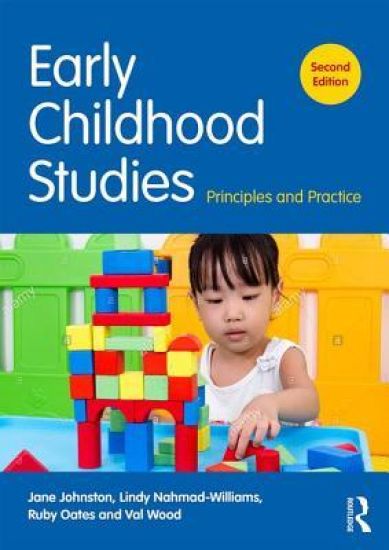
This fully updated new edition offers a comprehensive, accessible, yet rigorous introduction to the study of Early Childhood that will will add value to any Early Childhood Studies course at both foundation and degree level. Addressing both care and education in the Early Years, the book considers a range of multi-disciplinary aspects of Early Childhood; including health, social, educational, psychological and sociological perspectives. Early Childhood Studies engages the reader by providing real-world examples that underpin theoretical perspectives and bring examples to life, while encouraging practitioners to engage in reflective practice by considering their own similar experiences. Key features include: Engaging activities and case studies that bring theory to life Cutting-edge research Practical tasks and advice with points for further reading End of chapter summaries, Reflective Tasks and Study Skills boxes in each chapter Full colour illustrations throughout This core introductory textbook is an indispensable resource for Early Years’ students and professionals, whatever their level of expertise or experience.
Public Relations and the Public Interest

Public Relations and the Public Interest

Jane Johnston

CRC Press Inc
2018
nidottu
In this book, Johnston seeks to put the public interest onto the public relations ‘radar’, arguing the need for its clear articulation into mainstream public relations discourse. This book examines literature from a range of fields and disciplines to develop a clearer understanding of the concept, and then considers this within the theory and practice of public relations. The book’s themes include the role of language and discourse in establishing successful public interest PR and in perpetuating power imbalances; intersections between CSR, governance, law and the public interest; and how activism and social media have invigorated community control of the public interest. Chapters explore the role of the public interest, including cross-cultural and multicultural challenges, community and internal consultation, communication choices and listening to minorities and subaltern publics.
Public Relations and the Public Interest
In this book, Johnston seeks to put the public interest onto the public relations ‘radar’, arguing the need for its clear articulation into mainstream public relations discourse. This book examines literature from a range of fields and disciplines to develop a clearer understanding of the concept, and then considers this within the theory and practice of public relations. The book’s themes include the role of language and discourse in establishing successful public interest PR and in perpetuating power imbalances; intersections between CSR, governance, law and the public interest; and how activism and social media have invigorated community control of the public interest. Chapters explore the role of the public interest, including cross-cultural and multicultural challenges, community and internal consultation, communication choices and listening to minorities and subaltern publics.
Emergent Science

Emergent Science

Jane Johnston

Routledge
2013
nidottu
Emergent Science is essential reading for anyone involved in supporting scientific learning and development with young children aged between birth and 8. Drawing on theory, the book helps to develop the essential skills needed to understand and support science in this age range. The book is organised into three parts: development, contexts and pedagogy, exploring the underpinning theory alongside practical ideas to help trainees, teachers and childcare practitioners to create high-quality science experiences for the children they teach. The text includes guidance on developing professional, study and research skills to graduate and postgraduate level, as well as all the information needed to develop scientific skills, attitudes, understanding and language through concrete, social experiences for young children. Features include: Reflective tasks-at three levels of professional development;- early career/student, developing career/teacher and later career/leader. Case studies that exemplify good practice and practical ideas. Tools for learning - explain how science professionals can develop their professional, study skills and research skills to Masters level
Emergent Science

Emergent Science

Jane Johnston

Routledge
2013
sidottu
Emergent Science is essential reading for anyone involved in supporting scientific learning and development with young children aged between birth and 8. Drawing on theory, the book helps to develop the essential skills needed to understand and support science in this age range. The book is organised into three parts: development, contexts and pedagogy, exploring the underpinning theory alongside practical ideas to help trainees, teachers and childcare practitioners to create high-quality science experiences for the children they teach. The text includes guidance on developing professional, study and research skills to graduate and postgraduate level, as well as all the information needed to develop scientific skills, attitudes, understanding and language through concrete, social experiences for young children. Features include:Reflective tasks-at three levels of professional development;- early career/student, developing career/teacher and later career/leader. Case studies that exemplify good practice and practical ideas. Tools for learning - explain how science professionals can develop their professional, study skills and research skills to Masters level
Media Relations

Media Relations

Jane Johnston

Allen Unwin
2012
nidottu
Public relations and the media are in a time of major change. The rise of social media, altered media platforms, evolving legislative environments and new models of communication have altered not only the working environments of public relations and the news and entertainment media, but also many aspects of how these industries work together. Media Relations provides a practical and thorough introduction to media work in this changing environment. Based on a solid understanding of media culture and theory, Jane Johnston shows how to steer a path between the technical and human elements of media relations. She drills down into the different types of media, analysing their applications, strengths and weaknesses, and shows how to target your message to the right media outlets, whether national television, community radio, celebrity magazines or influential blogs. This second edition has been revised throughout and includes new case studies, and new chapters on digital and social media, media campaigns, and legal and ethical considerations.'Media Relations: Issues and Strategies is written in an engaging, easy to understand style. It provides excellent examples and cases of media relations.' - Global Media Journal
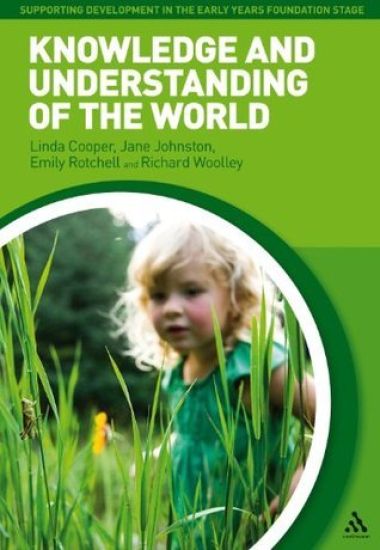
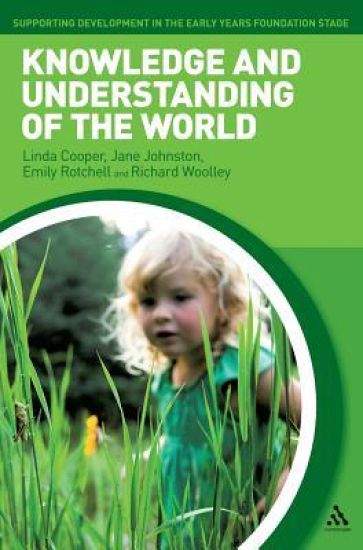
Knowledge and Understanding of the World

Knowledge and Understanding of the World

Linda Cooper; Jane Johnston; Emily Rotchell; Richard Woolley

Continuum Publishing Corporation
2011
nidottu
This is a complete guide to this area the Early Years Foundation Stage (EYFS), promoting a holistic approach and drawing on examples of good practice. "Knowledge and Understanding of the World" introduces this area of the Early Years Foundation Stage (EYFS) to trainee and qualified early years professionals. Teaching knowledge and understanding of the world to children aged between 0-5 years is introduced within the context of the EYFS. A balanced approach to the Early Learning Goals is encouraged ensuring that key principles of good early years practice are maintained and developed, and the holistic development of the child is promoted. This user-friendly guide will support early years professionals to: reflect on current practice and develop skills; evaluate the implications of research for early years practice and provision; promote interdisciplinary teamwork between those who work with and support young children; meet the diverse needs of children at different developmental stages and ages; and support children as they move within and beyond the EYFS. This series introduces each of the six areas of the Early Years Foundation Stage (EYFS): Personal, Social and Emotional Development; Language, Literacy and Communication; Problem Solving, Reasoning and Numeracy; Knowledge and Understanding of the World; Creative Development; and, Physical Development. Each book delivers accessible yet rigorous support for practitioners, whether training or qualified, in developing their professional understanding and practice in each of these Early Learning Goals. Whilst considering each area in turn, the aim throughout the series is to promote the holistic development of the child. Each volume includes: an introduction to the key area; consideration of the development of children in the key area from birth to 3 years, 3 to 5 years, and into 5 to 7 years; consideration of the holistic development of the child and the impact of that development on the key area being discussed; research evidence to support practice; practical examples of good practice; discussions on leadership in the key area; and, support in the development of pedagogical skills and reflective professional practice. In line with the aims of the EYFS, this series will help you in meeting the challenges that come with supporting the different needs of children, working in multi-professional partnerships, balancing the different areas of development, and supporting transitions within and beyond the EYFS.
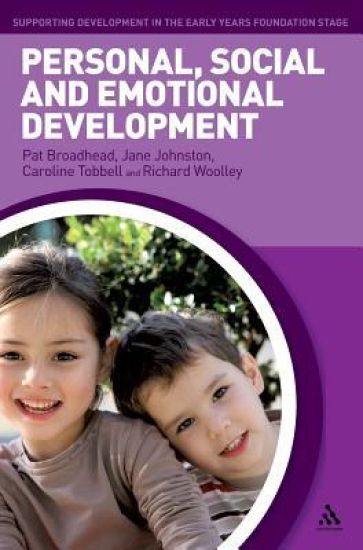
Personal, Social and Emotional Development

Personal, Social and Emotional Development

Pat Broadhead; Jane Johnston; Caroline Tobbell; Richard Woolley

Continuum Publishing Corporation
2011
sidottu
This is a complete guide to supporting personal, social and emotional development in the Early Years Foundation Stage (EYFS), promoting a holistic approach and sharing good practice. "Personal, Social and Emotional Development" introduces this area of the Early Years Foundation Stage (EYFS) to trainee and qualified early years professionals. The personal, social and emotional development of children aged between 0-5 years is introduced within the context of the EYFS. A balanced approach to the Early Learning Goals is encouraged ensuring that key principles of good early years practice are maintained and developed, and the holistic development of the child is promoted. This user-friendly guide will support early years professionals to: reflect on current practice and develop skills; evaluate the implications of research for early years practice and provision; promote interdisciplinary teamwork between those who work with and support young children; meet the diverse needs of children at different developmental stages and ages; and, support children as they move within and beyond the EYFS. This series introduces each of the six areas of the Early Years Foundation Stage (EYFS): Personal, Social and Emotional Development; Language, Literacy and Communication; Problem Solving, Reasoning and Numeracy; Knowledge and Understanding of the World; Creative Development; and, Physical Development. Each book delivers accessible yet rigorous support for practitioners, whether training or qualified, in developing their professional understanding and practice in each of these Early Learning Goals. Whilst considering each area in turn, the aim throughout the series is to promote the holistic development of the child. Each volume includes: an introduction to the key area; consideration of the development of children in the key area from birth to 3 years; 3 to 5 years; and into 5 to 7 years; consideration of the holistic development of the child and the impact of that development on the key area being discussed; research evidence to support practice; practical examples of good practice; discussions on leadership in the key area; and, support in the development of pedagogical skills and reflective professional practice. In line with the aims of the EYFS, this series will help you in meeting the challenges that come with supporting the different needs of children, working in multi-professional partnerships, balancing the different areas of development, and supporting transitions within and beyond the EYFS.
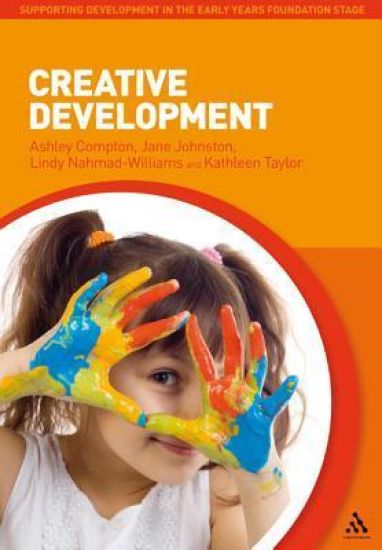
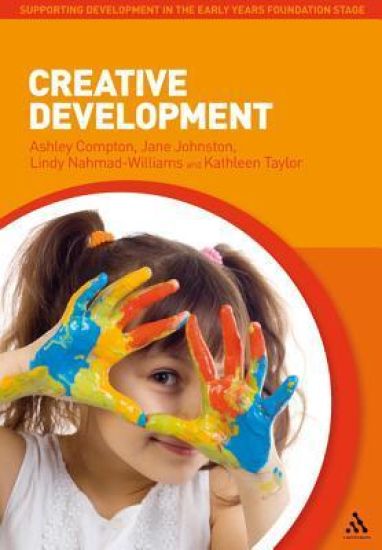
Creative Development

Creative Development

Ashley Compton; Jane Johnston; Lindy Nahmad-Williams; Kathleen Taylor

Continuum Publishing Corporation
2011
nidottu
This is a complete guide to supporting physical development in the Early Years Foundation Stage (EYFS), promoting a holistic approach and drawing on examples of good practice. "Creative Development" introduces this area of the Early Years Foundation Stage (EYFS) to trainee and qualified early years professionals. The creative development of children aged between 0-5 years is introduced within the context of the EYFS. A balanced approach to the Early Learning Goals is encouraged ensuring that key principles of good early years practice are maintained and developed, and the holistic development of the child is promoted. This user-friendly guide will support early years professionals to: reflect on current practice and develop skills; evaluate the implications of research for early years practice and provision; promote interdisciplinary teamwork between those who work with and support young children; meet the diverse needs of children at different developmental stages and ages; and, support children as they move within and beyond the EYFS. This series introduces each of the six areas of the Early Years Foundation Stage (EYFS): Personal, Social and Emotional Development; Language, Literacy and Communication; Problem Solving, Reasoning and Numeracy; Knowledge and Understanding of the World; Creative Development; and, Physical Development. Each book delivers accessible yet rigorous support for practitioners, whether training or qualified, in developing their professional understanding and practice in each of these Early Learning Goals. Whilst considering each area in turn, the aim throughout the series is to promote the holistic development of the child. Each volume includes: an introduction to the key area; consideration of the development of children in the key area from birth to 3 years; 3 to 5 years; and into 5 to 7 years; consideration of the holistic development of the child and the impact of that development on the key area being discussed; research evidence to support practice; practical examples of good practice; discussions on leadership in the key area; and, support in the development of pedagogical skills and reflective professional practice. In line with the aims of the EYFS, this series will help you in meeting the challenges that come with supporting the different needs of children, working in multi-professional partnerships, balancing the different areas of development, and supporting transitions within and beyond the EYFS.
Knowledge and Understanding of the World

Knowledge and Understanding of the World

Linda Cooper; Jane Johnston; Emily Rotchell; Richard Woolley

Continuum Publishing Corporation
2011
sidottu
This is a complete guide to this area the Early Years Foundation Stage (EYFS), promoting a holistic approach and drawing on examples of good practice. "Knowledge and Understanding of the World" introduces this area of the Early Years Foundation Stage (EYFS) to trainee and qualified early years professionals. Teaching knowledge and understanding of the world to children aged between 0-5 years is introduced within the context of the EYFS. A balanced approach to the Early Learning Goals is encouraged ensuring that key principles of good early years practice are maintained and developed, and the holistic development of the child is promoted. This user-friendly guide will support early years professionals to: reflect on current practice and develop skills; evaluate the implications of research for early years practice and provision; promote interdisciplinary teamwork between those who work with and support young children; meet the diverse needs of children at different developmental stages and ages; and support children as they move within and beyond the EYFS. This series introduces each of the six areas of the Early Years Foundation Stage (EYFS): Personal, Social and Emotional Development; Language, Literacy and Communication; Problem Solving, Reasoning and Numeracy; Knowledge and Understanding of the World; Creative Development; and, Physical Development. Each book delivers accessible yet rigorous support for practitioners, whether training or qualified, in developing their professional understanding and practice in each of these Early Learning Goals. Whilst considering each area in turn, the aim throughout the series is to promote the holistic development of the child. Each volume includes: an introduction to the key area; consideration of the development of children in the key area from birth to 3 years, 3 to 5 years, and into 5 to 7 years; consideration of the holistic development of the child and the impact of that development on the key area being discussed; research evidence to support practice; practical examples of good practice; discussions on leadership in the key area; and, support in the development of pedagogical skills and reflective professional practice. In line with the aims of the EYFS, this series will help you in meeting the challenges that come with supporting the different needs of children, working in multi-professional partnerships, balancing the different areas of development, and supporting transitions within and beyond the EYFS.
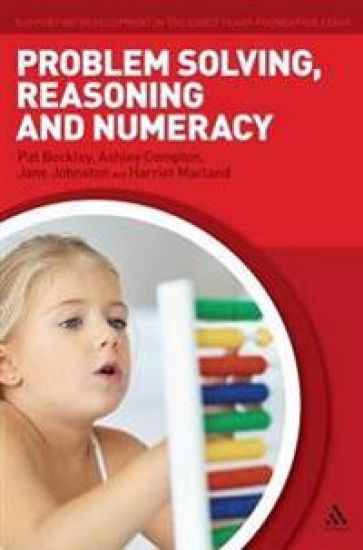
Problem Solving, Reasoning and Numeracy

Problem Solving, Reasoning and Numeracy

Pat Beckley; Ashley Compton; Jane Johnston; Harriet Marland

Continuum Publishing Corporation
2011
nidottu
This is a complete guide to supporting problem solving, reasoning and numeracy in the Early Years Foundation Stage (EYFS), promoting a holistic approach and exploring good practice. "Problem Solving, Reasoning and Numeracy" introduces this area of the Early Years Foundation Stage (EYFS) to trainee and qualified early years professionals. This area of learning and development, problem solving, reasoning and numeracy, is introduced within the context of the development of children aged between 0-5 years in the Early Years Foundation Stage (EYFS). A balanced approach to the Early Learning Goals is encouraged ensuring that key principles of good early years practice are maintained and developed, and the holistic development of the child is promoted. This user-friendly guide will support early years professionals to: reflect on current practice and develop skills; evaluate the implications of research for early years practice and provision; promote interdisciplinary teamwork between those who work with and support young children; meet the diverse needs of children at different developmental stages and ages; and support children as they move within and beyond the EYFS. This series introduces each of the six areas of the Early Years Foundation Stage (EYFS): Personal, Social and Emotional Development; Language, Literacy and Communication; Problem Solving, Reasoning and Numeracy; Knowledge and Understanding of the World; Creative Development; and Physical Development. Each book delivers accessible yet rigorous support for practitioners, whether training or qualified, in developing their professional understanding and practice in each of these Early Learning Goals. Whilst considering each area in turn, the aim throughout the series is to promote the holistic development of the child. Each volume includes: an introduction to the key area; consideration of the development of children in the key area from birth to 3 years; 3 to 5 years; and into 5 to 7 years; consideration of the holistic development of the child and the impact of that development on the key area being discussed; research evidence to support practice; practical examples of good practice; discussions on leadership in the key area; and support in the development of pedagogical skills and reflective professional practice. In line with the aims of the EYFS, this series will help you in meeting the challenges that come with supporting the different needs of children, working in multi-professional partnerships, balancing the different areas of development, and supporting transitions within and beyond the EYFS.
Problem Solving, Reasoning and Numeracy

Problem Solving, Reasoning and Numeracy

Pat Beckley; Ashley Compton; Jane Johnston; Harriet Marland

Continuum Publishing Corporation
2011
sidottu
This is a complete guide to supporting problem solving, reasoning and numeracy in the Early Years Foundation Stage (EYFS), promoting a holistic approach and exploring good practice. "Problem Solving, Reasoning and Numeracy" introduces this area of the Early Years Foundation Stage (EYFS) to trainee and qualified early years professionals. This area of learning and development, problem solving, reasoning and numeracy, is introduced within the context of the development of children aged between 0-5 years in the Early Years Foundation Stage (EYFS). A balanced approach to the Early Learning Goals is encouraged ensuring that key principles of good early years practice are maintained and developed, and the holistic development of the child is promoted. This user-friendly guide will support early years professionals to: reflect on current practice and develop skills; evaluate the implications of research for early years practice and provision; promote interdisciplinary teamwork between those who work with and support young children; meet the diverse needs of children at different developmental stages and ages; and support children as they move within and beyond the EYFS. This series introduces each of the six areas of the Early Years Foundation Stage (EYFS): Personal, Social and Emotional Development; Language, Literacy and Communication; Problem Solving, Reasoning and Numeracy; Knowledge and Understanding of the World; Creative Development; and Physical Development. Each book delivers accessible yet rigorous support for practitioners, whether training or qualified, in developing their professional understanding and practice in each of these Early Learning Goals. Whilst considering each area in turn, the aim throughout the series is to promote the holistic development of the child. Each volume includes: an introduction to the key area; consideration of the development of children in the key area from birth to 3 years; 3 to 5 years; and into 5 to 7 years; consideration of the holistic development of the child and the impact of that development on the key area being discussed; research evidence to support practice; practical examples of good practice; discussions on leadership in the key area; and support in the development of pedagogical skills and reflective professional practice. In line with the aims of the EYFS, this series will help you in meeting the challenges that come with supporting the different needs of children, working in multi-professional partnerships, balancing the different areas of development, and supporting transitions within and beyond the EYFS.
Creative Development

Creative Development

Ashley Compton; Jane Johnston; Lindy Nahmad-Williams; Kathleen Taylor

Continuum Publishing Corporation
2011
sidottu
This is a complete guide to supporting physical development in the Early Years Foundation Stage (EYFS), promoting a holistic approach and drawing on examples of good practice. "Creative Development" introduces this area of the Early Years Foundation Stage (EYFS) to trainee and qualified early years professionals. The creative development of children aged between 0-5 years is introduced within the context of the EYFS. A balanced approach to the Early Learning Goals is encouraged ensuring that key principles of good early years practice are maintained and developed, and the holistic development of the child is promoted. This user-friendly guide will support early years professionals to: reflect on current practice and develop skills; evaluate the implications of research for early years practice and provision; promote interdisciplinary teamwork between those who work with and support young children; meet the diverse needs of children at different developmental stages and ages; and, support children as they move within and beyond the EYFS. This series introduces each of the six areas of the Early Years Foundation Stage (EYFS): Personal, Social and Emotional Development; Language, Literacy and Communication; Problem Solving, Reasoning and Numeracy; Knowledge and Understanding of the World; Creative Development; and, Physical Development. Each book delivers accessible yet rigorous support for practitioners, whether training or qualified, in developing their professional understanding and practice in each of these Early Learning Goals. Whilst considering each area in turn, the aim throughout the series is to promote the holistic development of the child. Each volume includes: an introduction to the key area; consideration of the development of children in the key area from birth to 3 years; 3 to 5 years; and into 5 to 7 years; consideration of the holistic development of the child and the impact of that development on the key area being discussed; research evidence to support practice; practical examples of good practice; discussions on leadership in the key area; and, support in the development of pedagogical skills and reflective professional practice. In line with the aims of the EYFS, this series will help you in meeting the challenges that come with supporting the different needs of children, working in multi-professional partnerships, balancing the different areas of development, and supporting transitions within and beyond the EYFS.
Personal, Social and Emotional Development

Personal, Social and Emotional Development

Pat Broadhead; Jane Johnston; Caroline Tobbell; Richard Woolley

Continuum International Publishing Group Ltd.
2010
nidottu
This is a complete guide to supporting personal, social and emotional development in the Early Years Foundation Stage (EYFS), promoting a holistic approach and sharing good practice. "Personal, Social and Emotional Development" introduces this area of the Early Years Foundation Stage (EYFS) to trainee and qualified early years professionals. The personal, social and emotional development of children aged between 0-5 years is introduced within the context of the EYFS. A balanced approach to the Early Learning Goals is encouraged ensuring that key principles of good early years practice are maintained and developed, and the holistic development of the child is promoted. This user-friendly guide will support early years professionals to: reflect on current practice and develop skills; evaluate the implications of research for early years practice and provision; promote interdisciplinary teamwork between those who work with and support young children; meet the diverse needs of children at different developmental stages and ages; and, support children as they move within and beyond the EYFS. This series introduces each of the six areas of the Early Years Foundation Stage (EYFS): Personal, Social and Emotional Development; Language, Literacy and Communication; Problem Solving, Reasoning and Numeracy; Knowledge and Understanding of the World; Creative Development; and, Physical Development. Each book delivers accessible yet rigorous support for practitioners, whether training or qualified, in developing their professional understanding and practice in each of these Early Learning Goals. Whilst considering each area in turn, the aim throughout the series is to promote the holistic development of the child. Each volume includes: an introduction to the key area; consideration of the development of children in the key area from birth to 3 years; 3 to 5 years; and into 5 to 7 years; consideration of the holistic development of the child and the impact of that development on the key area being discussed; research evidence to support practice; practical examples of good practice; discussions on leadership in the key area; and, support in the development of pedagogical skills and reflective professional practice. In line with the aims of the EYFS, this series will help you in meeting the challenges that come with supporting the different needs of children, working in multi-professional partnerships, balancing the different areas of development, and supporting transitions within and beyond the EYFS.